Featured

You Should Remember This Podcast Will Quench Your Thirst For Old Hollywood Filmmaking And Its Stars

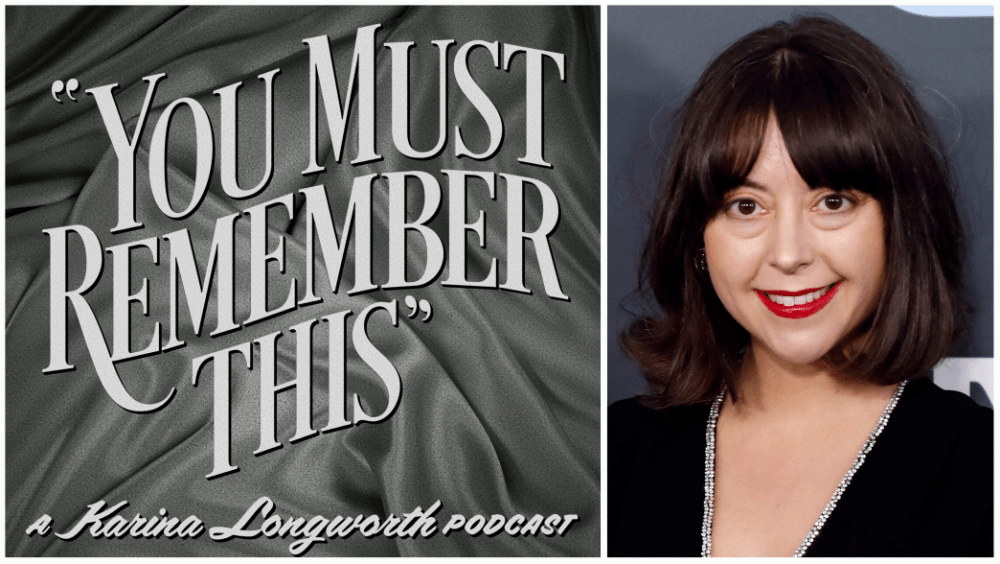
I was introduced to Mrs. Longworth through one of my favorite podcasts, WTF with Marc Maron. She came on to talk about her podcast, You Should Remember This, which focuses primarily on the 19th century of Hollywood filmmaking.
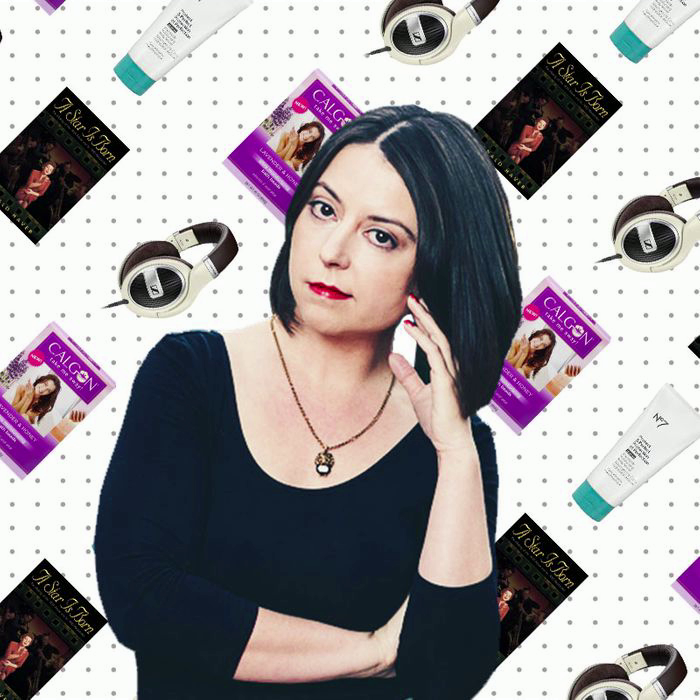
 

In their discussion, Marin was clearly fascinated with old Hollywood and that style of filmmaking, conversing about classic films in comparison to 21st century filmmaking. They discussed some of her podcast episodes, focusing heavily on the Sammy and Dino series, which Longworth used the biography Dino, written by Nick Tosches, as the primary source for. 

Longworth is knowledgeable in filmmaking and old Hollywood. She attended the Art Institute of Chicago, before completing her undergraduate studies at the San Francisco Art Institute, then she earned a Master of Arts degree in Cinema Studies from New York University. Afterwards, she returned to Los Angeles, becoming an accomplished journalist, writing for New York Magazine, The Daily Beast, and HuffPost.  

Marc Marin does a conspicuous job of mentioning–multiple times–that she is married to filmmaker Rian Johnson. It may be his love of films but the feminist in me was giving him the side eye, if just for a second. Still, she has notable accomplishments on her own and a sharp and creative mind. 

With her podcast, You Should Remember This, Longworth educates her audience while maintaining a nostalgic interest in what she labels “the first century of Hollywood”. She strategically blends well-known actors, filmmakers, films, etc. with lesser known and forgotten stories of Tinseltown e. g., silent star Billie Dove, the Blacklist of the 1940s and 50s, and the success of the 1986 erotic thriller, 9 1/2 Weeks.

Karina Longworth is not a personality type (this is where listening speed improves enjoyment) but she more than makes up for that with her competence on the subject of Hollywood. She compels listeners to expand their interests beyond the infamous names associated with this time period, such as: Marilyn Monroe and Frank Sinatra and invest their intrigue in stories about the NC-17 rating and how it influenced filmmaking and Louis B. Mayer’s rise and fall as studio head at MGM. 

I encourage you to give this podcast a listen and subscribe for Hollywood intrigue. For more info, click the link below:  
Seasons — You Must Remember This (youmustrememberthispodcast.com)
Featured

Can The Dead Revive What Not Dead Yet Calls Comedy

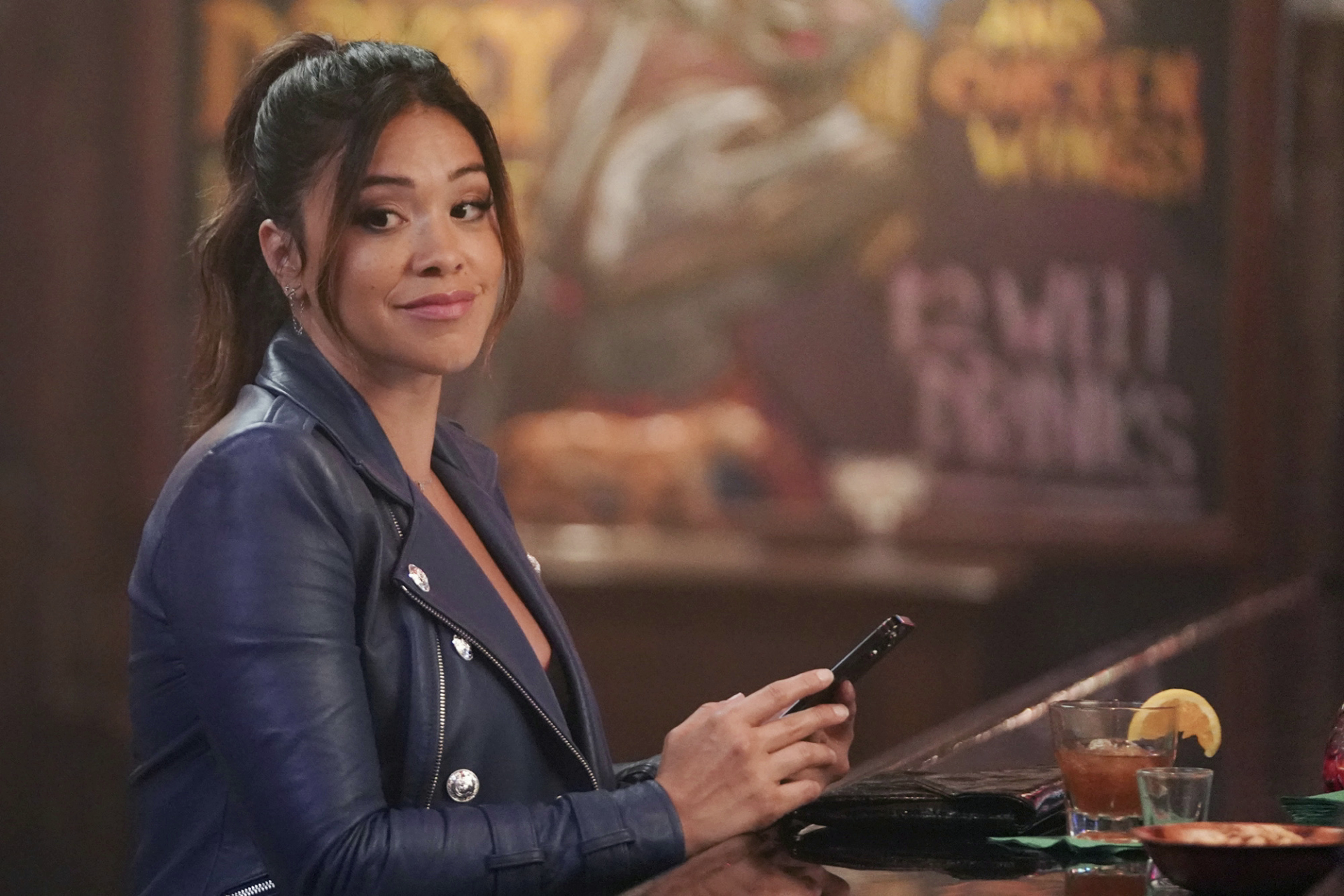
Gina Rodriguez’s new TV series, Not Dead Yet has all the makings of TV gold: a bankable star, unique yet relatable premise, and great writing. However, it fails to give an auspicious delivery of sitcom mastery. Not Dead Yet is about a newly single woman who is returning to journalism, to pay the bills that she was accustomed to her ex handling.

Nell Serrano has a special relationship with the dead people, whose obituaries she writes. We get to see those relationships form at her cubicle and home. Though it would be pointless to get attached to those characters, since they have changed with every episode, so far. Instead, a flashback episode, or however the writing team can incorporate more of Nell’s backstory, would be interesting for viewers curious about the ten-year work gap.

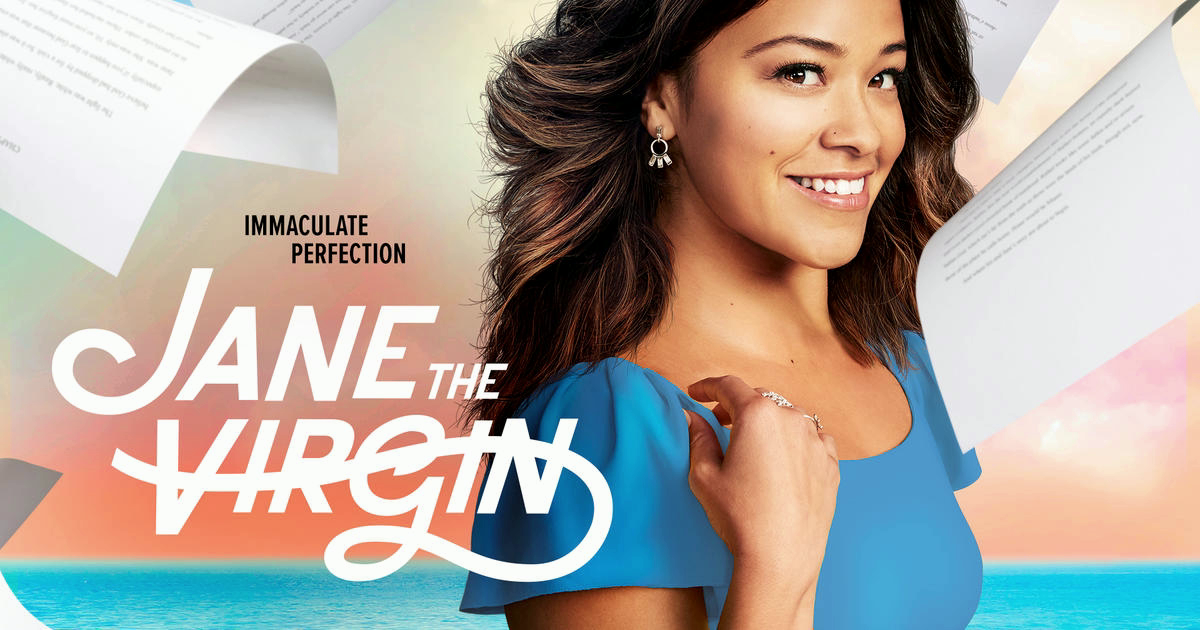
The last time we saw the Puerto Rican beauty, on the small screen, was when she starred as Jane Villanueva in Jane the Virgin back in 2019. Since then, she has moved away from young and virginal, female characters to single-female-dating, with class and talent. However, Not Dead Yet arrived on viewers To Be Watched schedules with the anticipation of a proven Emmy Nominated series. Unfortunately, thus far, it is not worthy of viewers’ attention.   

I was dying to put the cliche saying, “dead on arrival” in the title, but I digressed. You can’t stop me from putting it in the review. Not Dead Yet is dead on arrival even with a life jacket and ambulance following behind. Some critics say there is potential for resuscitation. Don’t hold your breath, only dead characters on the screen please. Okay, like a guest turned roommate, the cliches have worn out their welcome.

Not Dead Yet has all the makings of an exquisite recipe; why does it leave us dissatisfied? After watching the first four episodes, I can confirm that this series is inexplicably bland with delectable writing.

Gina Rodriguez stars as the obituary writer, who gets inspiration from the dead people themselves. The formula sounds like a broken rule: requiring a new supporting character for every episode; still, that does not explain why it fails. The main cast, for one, has zero chemistry. There is Lexi, the boss and daughter of the publisher, which is a playground for comedy with any accomplished writer; Sam, Nell’s best friend, who has a salty personality with sassy wit; and Nell herself, is begrudgingly single and ready to have someone pick up the tab. It’s insensible why jokes are absent or flat with this set up. With the laughter on hold, upon further review of dry comedy–not in a good way–one could mistake this series for a dramedy: hilarity for acquired taste.  

I have not come across a show about obituaries, which is why I am tolerant and forgiving of the epic failure of the two-episode premiere. I suspect this series may find its place—on the list of cancelled TV shows of 2023. If the producers don’t shake something up: either the main cast or storytelling structure, they are going to lose their excited audience quickly.

What works on the show is the idea of Nell being the only one able to hear and speak to the dead. What’s not working is Lauren Ash as a tame, Bitch boss. I’m not sure how she could not get into the role: could her awkward, teenage years have been artificially removed from her memory? Whatever the delay is, Ash needs to get out of sleep mode and into Bitch mode at godspeed.  

If and when this show fails, Gina Rodriguez, as the star and one of the executive producers, would take most of the blame. If she can get to the root of the anemic chemistry, in the table read, us viewers wouldn’t have to suffer through mediocre, sitcom acting that is not even on the level of a funny YouTuber with no budget for professional writers. 

Lastly, let me apologize. I called this show inexplicably bland when I knew all along what the problem was.  

Featured

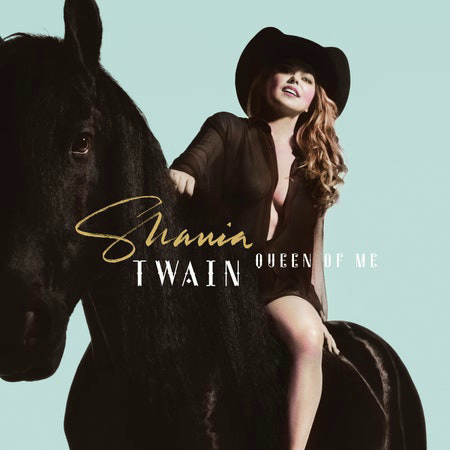
Country Rock Superstar, Shania Twain Is Back, Kinda

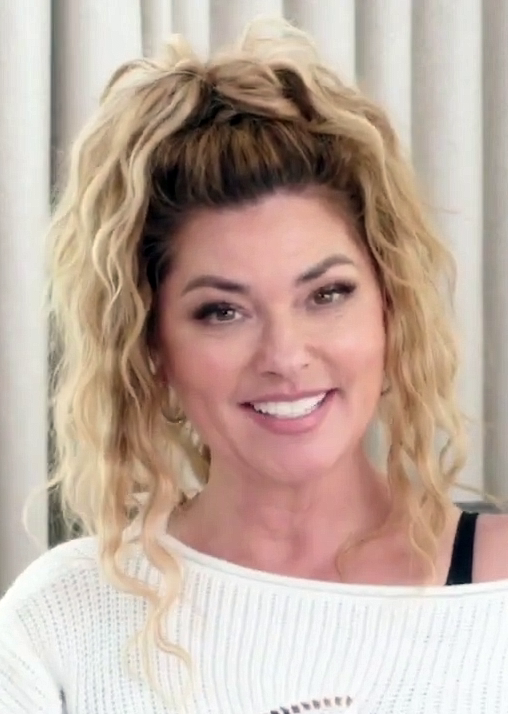
We have loved Country music icon, Shania Twain for decades, ever since she and her ex-husband, Robert John “Mutt” Lange came on the Country music scene as a dynamic duo. She is known to go on a hiatus but this one may have been provoked by personal issues.

In the Netflix documentary, Not Just A Girl, Twain talked about losing her voice, after having numerous surgeries, misdiagnoses, and working with multiple doctors before getting the correct diagnosis of Lyme disease. During this period, she even considered quitting singing because of the difficulties but received encouragement from music legends like Lionel Ritchie and David Foster.

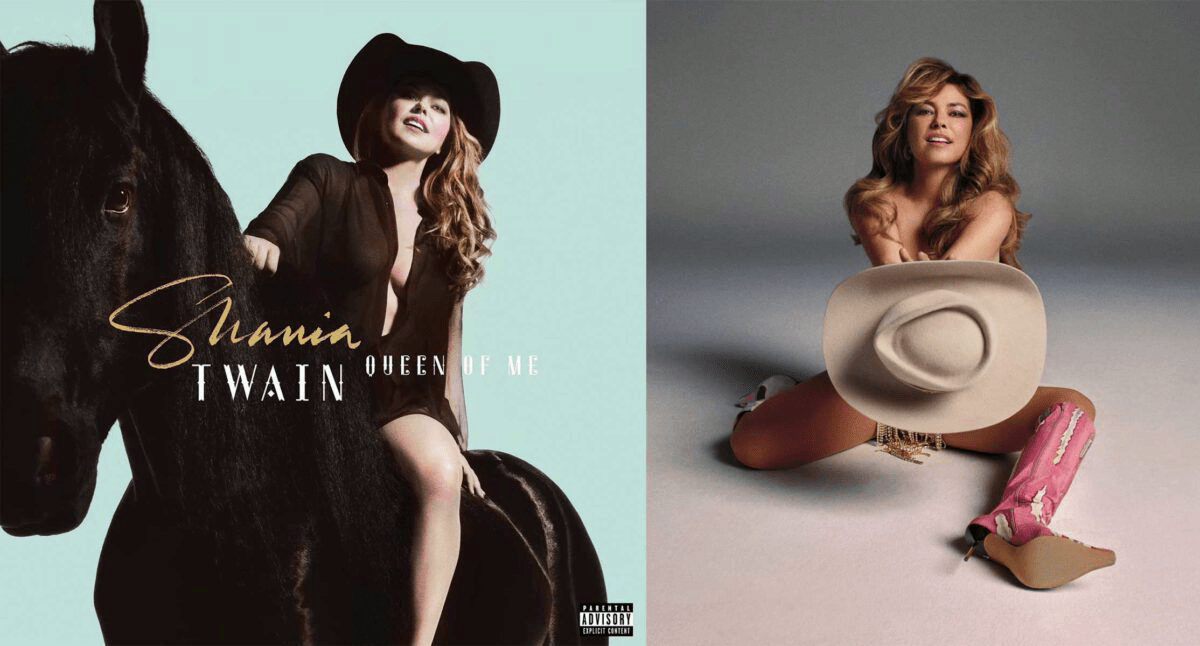
Fortunately for her fans, Shania Twain succumbed to the urge to get back on the horse–speaking of horses, it was a horseback riding accident that initiated the plentiful surgeries–and gift us, Queen of Me.

Her latest album, released on February 3rd, is more of the sound we know and love Shania for, which is satisfying, considering she no longer has her longtime writing and producing partner, Mutt Lange. Queen of Me has twelve new tracks–a mix of uptempo and ballads–that hint at the turmoil in her previous marriage, without getting too bitter and vengeful. This album is a grown woman’s Taylor Swift breakup album. Twain acknowledges the demise of her first marriage, takes some digs at her ex, but does not dwell on it, leaving her friends embarrassed for her.

Twain, or her record label, knew what they were doing when they limited this album to twelve tracks, with under forty minutes listening time: there’s enough music to satisfy your Country palette, while leaving you wanting more. She gives you different vibes without feeling like you’re on a dizzying, musical rollercoaster. Her writing is solid and the instrumentation blends in with the rest of her discography, leaving no one distinguishing between the Mutt Lange vs. post breakup, Shania Twain.

If I were to gripe about anything, it would be her voice. Of course, Shania was never trying to be Whitney Houston still, the voice we know and love is something–we the fans–have to memorialize. I know medical reasons attributed to the change, so I won’t harp on the Country diva, but it is notable. Although, the difference is not bad, she is raspier, and doesn’t have a strong enough voice for ballads but she pulls it off, in her own way.

I would recommend Queen of Me to long time Twain fans and music fans who are new to Shania Twain’s style of Country. I listened to this album on Hoopla but it is available, wherever you purchase and listen to music.

Featured

Audiobooks on Spotify

With the recent acquisition of Findaway, Spotify is gradually building a platform to attract readers as well as cater to their longtime base–music listeners. Audiobooks have been available on Spotify for a few years now however, you have to do some work to find them.

Here are some suggestions to get you started.

Fantasy and Sci-fi Book Club for older readers who love classics. They also have excerpts from new releases as well. If you are someone who hasn’t picked up a book since high school, this is the perfect place to start. All of their episodes are under an hour with some of them as short as three minutes long.

Awesome Audiobooks is another great choice for classic lovers. They have familiar ones like The Great Gatsby and the Sherlock Homes series. They even have A Christmas Carol which is appropriate for this time of year.

Audiobook Reviews in Five Minutes with Janna is exactly what the title says. The host reviews audiobooks, in minutes. Janna reviews fiction and nonfiction but doesn’t give away all the details to take the fun and suspense out of reading the book yourself.

Tales To Terrify is another short fiction podcast with episodes that are under an hour. These are from less known authors but the stories are entertaining.

You also can type in different search words such as: audiobooks, fiction, classic literature, etc. to find audiobooks. Keep in mind, it is not like going to an audiobook site so finding what you are looking for will take time. Spotify has not made the experience easy just yet. I’m sure with the new acquisition and authors seeing this as another option to get their fiction out to readers, there will be improvements to come.

If you haven’t noticed from this list, Spotify could use some work when it comes to diverse voices and stories. This is a growing category that will take time to build, like anything else. However, if you see a genre that is missing, why not start a podcast of your own to be available on Spotify. This is not a sponsorship, but they do offer free podcasting through Anchor (owned by Spotify). You can try it out and see if it is something you want to do long-term before you start spending your own money on expensive equipment.

Featured

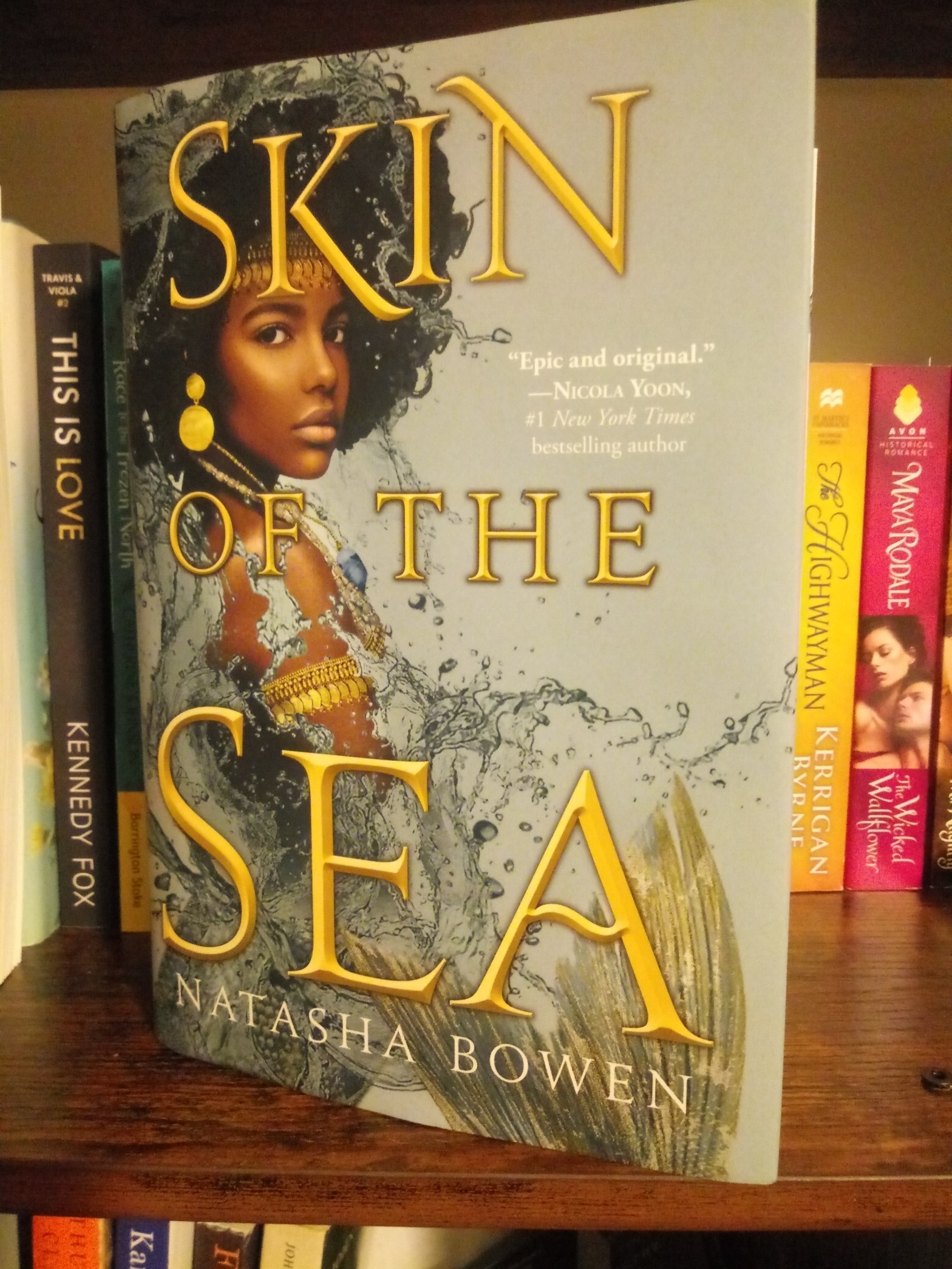
Skin of the Sea: Little Mermaid Retelling

A YA Fantasy about a Black mermaid; I was not asking for it but I’m glad Natasha Bowen thought to write it. This is a fast-paced, cinematic Little Mermaid retelling with rich descriptions of the sea and African mythology woven throughout.

Natasha Bowen is of Nigerian and Welsh descent and lives in England. I say this to say, she deals with prejudice and oppression of African people in a way that doesn’t victimize them even in their survival. With the stories I have been reading by Black American authors lately, it is disappointing how obsessed we are with race and the heavy-handed way WE Americans tend to force it into stories.

Bowen uses African mythology from the mid 1400s. There is a narrative with enslaved African people [influenced by the Portuguese who brought Africans to Europe and colonized islands] and violence around the slave trade but it is not explicit. The forbidden love storyline was great.

Fractals (repeated patterns) in hairstyles is used in a clever way. Bowen did her research. I had never heard of this but I appreciate learning while being entertained. The author’s note about fractals and how it was used by Africans is interesting as well.

I like that the flashback scenes are separated in another font. I read the physical book so I’m not sure how it looks in the ebook. I will say some words were repetitive and the African riddles, I just skipped over. For that reason, this might be one of those that is best as an audiobook read.

From the beginning, you learn that Simi [who was once a human and can revert back to one] is a mermaid who collects souls then prays to the gods for them to have a safe journey back home. She is told adamantly not to do anything else.

Then Simi comes across what she thinks is a soul but it turns out the boy, Kola is semi-conscious. Instead of leaving him alone she helps him convalesce before sending him back to the mainland.
It turns out this boy knows too much. This mistake might cost them both.

This is a great YA fantasy and age appropriate. The twist was original and unexpected. The ending makes me think the second book will explore the forbidden romance more. I’m so glad this is a duology. Can’t wait for the next book!

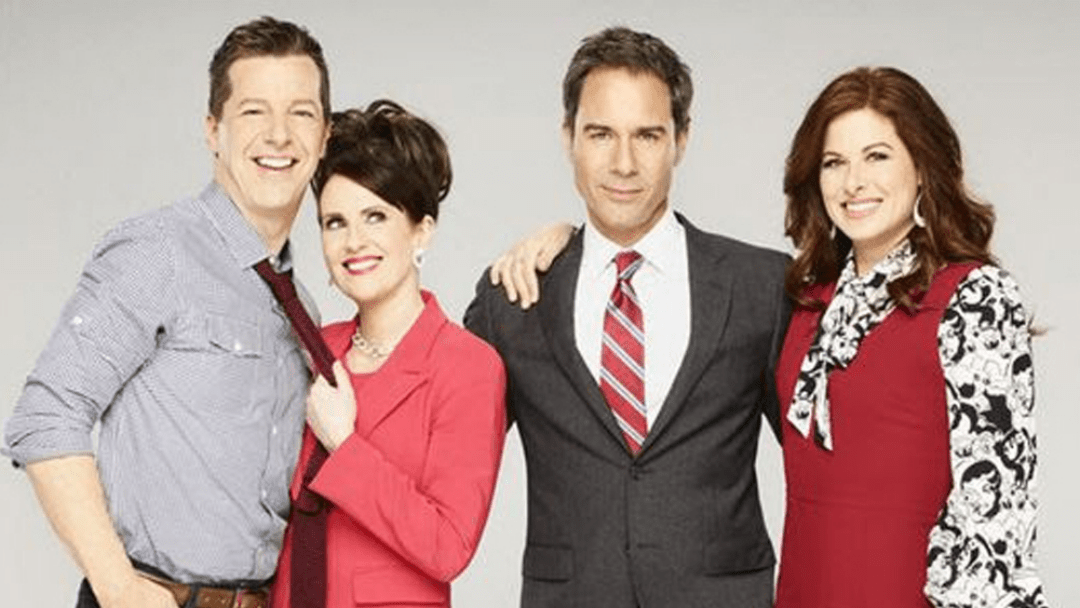
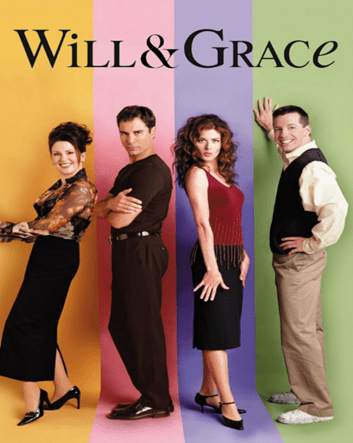
When Celebrity Killed the TV Sitcom: Will & Grace (1998 series)

In 1998, a genius of a show debuted on NBC called Will and Grace. It was a groundbreaking show for having gay characters in leading roles. This was the nineties and gay characters were known to be sidekicks or confined to certain industries within an episode story, e.g., fashion, modeling, hair and makeup, or drag queens, etc. They were never the main attraction.  

NBC took a chance on the idea from show creators, Max Mutchnick and David Kohan. To give you an idea of the TV landscape at the end of the 20th Century, Seinfeld was in it’s final season, Friends and Frasier were top ten TV hits with very different audiences–and not a threat to one another—and American families were tuning in to enjoy the antics of the Barone family on Everybody Loves Raymond.

As time went on, those in the know would not so secretly refer to the gang of four as the Jack & Karen show. Either way, the chemistry between the four cast members was electric. You wanted to be in their space but not interrupt their flow, just absorb and revel in it. 

By 2002, they maintained top ten status on Nielsen charts for most watched TV shows, with credit given to the super stardom sitcom it followed, Friends. After ten ratings-breaking seasons, Friends came to an end in 2004. The writers and execs at NBC lost their minds trying to stay afloat with the absence of that reliable audience. 

A number of failed Friends knockoffs later, and NBC still hadn’t found the right mix of shows for its Must-See TV Thursday lineup. A few pilots aired for a season then were later axed or changed time slots after they didn’t gain traction. The biggest miscarriage of all sitcom justice is what this uncertainty did to a perfectly well-established sitcom with its own core audience. 

Eventually in 2005, Will & Grace took the coveted 8pm time slot on Thursday nights. But like an insecure girlfriend dating an eligible bachelor, it performed poorly. Whoever thought it was a good idea to flood the sitcom with a major star, week in and week out, should have been assassinated. It wasn’t a bad idea if done right, meaning not every week, and didn’t disrupt the chemistry of the core four; however, the show lost its mojo in trying to lure an audience who no longer felt they were watching the same show they fell in love with in 1998.  

Disrupting the chemistry of the core four was precisely what it did. It was no longer about the shenanigans of the childless and over 30 friend group, living in prime real estate in NYC. It became the “guess who’s appearing on Will & Grace,” topic. Granted, some of the A-list guests were a great laugh and gave us legendary TV, but over time it became redundant–no longer about the main characters and the disarray their lives were in.

By the time the show ended in 2006, you forgot who Grace wasn’t married to, why Will wasn’t practicing law out of a respectable office, what happened to Jack’s fledgling acting career, and when did Karen stop being the rich Bitch with the fat husband that nobody saw but everybody heard about. 

If you don’t know what I’m talking about, but I’ve piqued your interest, check out Will & Grace, the original series. I should mention this once a good time on a Thursday night show had a reprisal in 2017; I doubt it captured the essence of its peak seasons in the original series. It did last three more seasons before the final curtain call. I would tell you all about their second act, but I have yet to watch it.

How would you improve your community?

I would educate and dissuade young people away from social media. I remember life before social media; honestly, I think it maximizes the same issues that were always in our society. However, teenagers have no idea how sinister wealthy businesspeople think. They don’t know the things they are willing to do, the people they are willing to sacrifice to reach and stay at the top—all for greed. That is why I want to do what I can to let the youth maintain their peace and sanity for as long as they can without it. Not that I’m against social media entirely. I just believe the risk is not worth the gain for young people, whose minds and philosophies are still being developed.

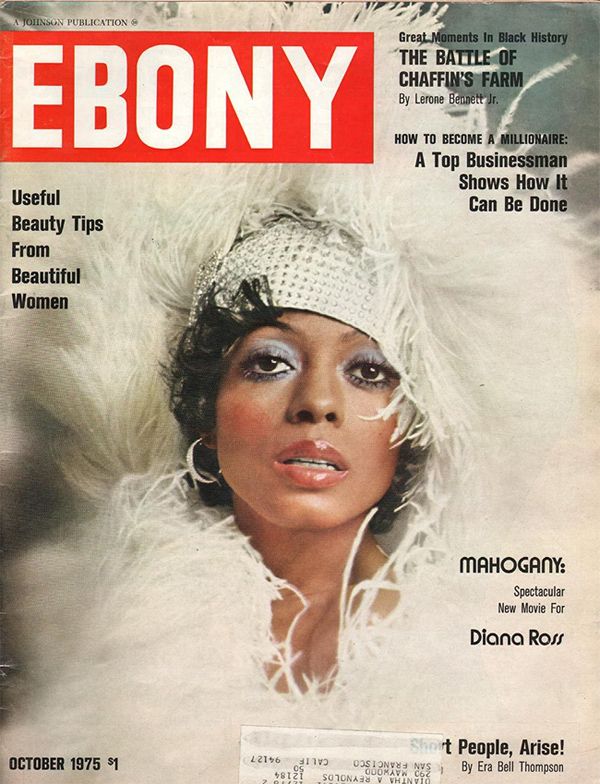
Diana Ross: Second Time’s A Test, Review of Mahogany (1975)

In 1970, Diana Ross gave her final performance as a Supreme. She owed so much to the group and Berry Gordy, who made her a superstar. She had her eyes set on a solo career that would surpass the success of the group. Not only was music on her mind, but Hollywood as well.

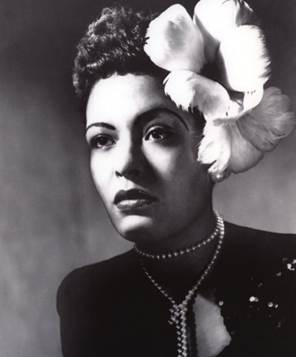
For her acting debut, Ross didn’t stray far from her musical roots. Miss Ross played jazz singer, Billie Holiday in Lady Sings the Blues, loosely based on the singer’s autobiography. Even though the Motown legend portrayed another singer, assume not that the role wasn’t challenging: Billie Holiday led a tumultuous life up to her early demise, at the age of forty-four.

Photo from ar.inspiredpencil.com

For her stellar performance, Diana Ross received the ultimate recognition, an Oscar nomination for best actress. It was a competitive category: the nominees were Liza Minelli, Diana Ross, Maggie Smith, Cicely Tyson, and Liv Ullmann. Although Liza Minelli was awarded the golden statue, Diana Ross’ performance was aligned with talented actresses. Not to mention, this was the first year that two African American actresses were nominated in this category.

Miss Ross’ acting debut was a success. Her next role would prove her lasting power in Hollywood. Motown mogul, Berry Gordy managed her career with a steady hand. Not only did Gordy produce the film, but he also directed it. Let’s give a round of applause to a man who knows his limitations, and chose not to act in the film, as others in his position succumbed to that temptation at the annoyance of moviegoers everywhere.

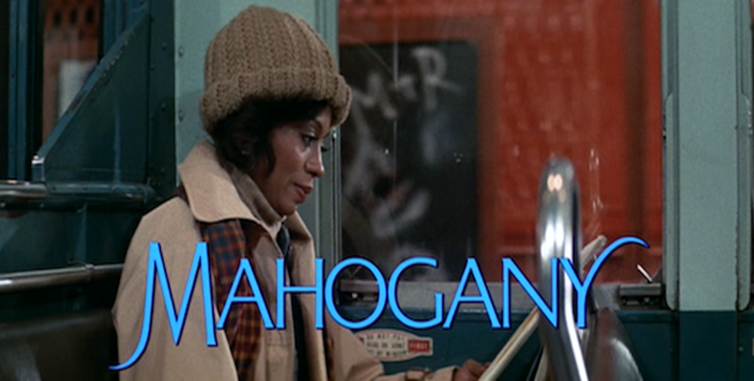
Mahogany was released in 1975, starring Diana Ross and her costar from Lady Sings the Blues, Billy Dee Williams. Fans and even haters anticipated her follow-up after her Academy Award nominated role. Like in music, the second time is a testament to whether one will last beyond the “new girl” interest that one is given.

Photo from lookatthesegems.com

The film is about Tracy Chambers, a struggling fashion designer trying to make it in an industry that sees Chicago as a place you end up instead of a city that can produce fashion designers worthy of a show in Paris. Of course she has the interference of love complicating her career ambitions.

Mahogany did not receive critical acclaim like it’s predecessor. Roger Ebert wrote, “Mahogany is a big, lush, messy soap opera, so ambivalent about its heroine that we can’t even be sure the ending’s supposed to be happy.” My default mode is to argue yet I don’t have a counter to his opinion.

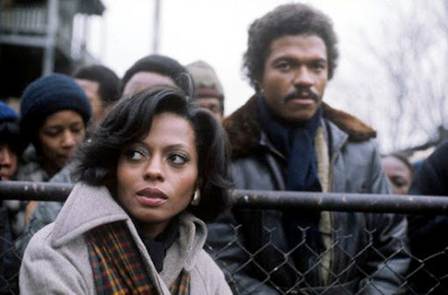
Billy Dee Williams plays an ambitious politician and her love interest. He’s a good-looking man and employed so, you’re rooting for their love at first, but when you realize he only sees her as a feminine accessory, he can use for his political gains, his looks and charm wear off before the midpoint.

Photo from film-authority.com

The film is not the best follow-up to a classic like Lady Sings the Blues, however, it’s not a bad film; and Berry Gordy did a good job for the first time in the director’s chair. It’s interesting how you won’t find many reviews of the film in the year it was released. The silence tells you what critics thought of it.  

I will say the plot twist feels like abandoned film from other movies inserted to fill the time. The first hour covers the insecurity a thirty-something Black woman, from a humble background, innately fights with as she pushes past the threshold her kind is told to stay within. This could have been a Girl on Fire story of the day. Maybe it was the director, the star, or the writers, who knows who’s to blame, but somewhere the story got lost and forgot what story it was trying to tell.

The performances by Diana Ross, Billy Dee Williams, and Anthony Perkins are good. The betrayal of 1970s Chicago is dismal, finding love as a single, Black woman is a toss-up, and a Black designer making it in fashion is a pipe dream. Still, I would recommend this movie, if only to learn why it has a 29% rating on Rotten Tomatoes.

Also, you get a surprising laugh, watching Diana Ross and Billy Dee Williams rock fur coats in Chicago. How daring, considering you didn’t have the threat of your crimes being caught on camera in the 1970s; though these were the days when furs were status symbols how watches, cars, homes, etc. are today. How the times have changed, thanks in part to People for the Ethical Treatment of Animals aka PETA.

How America and China played Sea Saw with Chinese American Actress Anna May Wong

Anna May Wong was a Chinese American actress in the Silent era and talkies, during the first half of the 20th Century. Her successful years were between the 1920s and 1940s, in spite of the limited roles she could play–a result of prejudice in Hollywood and America. In those days, an interracial relationship was forbidden: that is, white-skinned people having romantic relations with a Black or Asian person. Furthermore, it was prohibited in Hollywood films.

Although Anna May Wong played stereotypical characters, she usually received good reviews for her performances. After years of frustration with Hollywood’s race obsession and prejudiced American audiences, Wong moved to Europe to get better acting roles, which she did get. Not only were European audiences not hung up on race, but they also appreciated her character portrayals. She was a smash hit in Germany and London, getting rave reviews and playing the kind of leading ladies that were only given to White actresses in Hollywood.

Not wanting to lose good talent to European filmmakers, Hollywood then welcomed her back with versatile roles. The bliss was short lived; eventually, Hollywood reverted back to status quo and the offers dried up for Wong.   

In her forties, she remained relevant by becoming a fashion icon. She was no longer making headlines for her career moves; she continued to garner attention for her style choices.

It was disappointing to hear Anna May talk about how excited she was to visit China for the first time only to be rejected by Chinese people for playing stereotypical roles in American films. On her press tour, she was treated like she was not a “true” Chinese, which presumably caused her more pain since she hadn’t been accepted by American audiences either.

Wong was a third generation Chinese American who was made to feel like an outsider in the country she was born and raised in. Then she goes to China, only to realize that they see her as a trader, helping the enemy oppress their people.

I’m unsure how she defended herself against those claims in the moment, but I find it odd that the Chinese people blamed this actress for perpetuating derogatory stereotypes about Asians. It’s contradictive that the Chinese did not invest in Hollywood films, yet they expected a Hollywood actress—who was a minority—to have the power and influence in a White-male, dominated industry to impact how Asians were portrayed.

It is naïve to think that because one acts in films, they make decisions on character development, which scripts get greenlit, casting decisions, etc. As if Anna May Wong could extract control away from White men, who were the decision makers in those days. It’s inexplicable why people blame low-hanging fruit for a corroded tree but that doesn’t stop them from doing it time and time again.

It does make me wonder why China didn’t invest in Hollywood, so they could have some control over their image. Although, I’m sure Hollywood made it difficult for foreigners to infiltrate the system however, when filmmakers are desperate for financing, they are more inclined to yield to foreigners with deep pockets. On the flip side, since the 1920s, China has had a long history of strict censorship of American films. Maybe those restrictions cut both ways, causing dissatisfaction all around.

Even today, Asian actors are limited in the roles they are given. It’s unfair, however if you don’t invest time and money in films, you can’t expect to have a say in the execution of them.   

Today, actors with little power and influence in Hollywood are still given the responsibility to affect change. They are blamed and their people take offense to their betrayal, however, if minority actors turned down those roles, Hollywood would just find another actor to fill them or whitewash the problem away. If minorities are not in the room, they can’t gain the power to influence change. Sometimes you must take what you are given so you can change what you get.

Unfortunately, Anna May Wong didn’t move the needle much in her day, but had it not been for the sacrifices she made, decades ago, we would not have the Asian and Asian American actresses that we have working in Hollywood today.

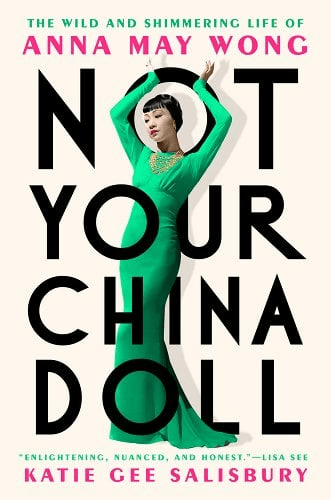
If you are interested in Anna May Wong’s story, check out Not Your China Doll, written by Katie Gee Salisbury.     

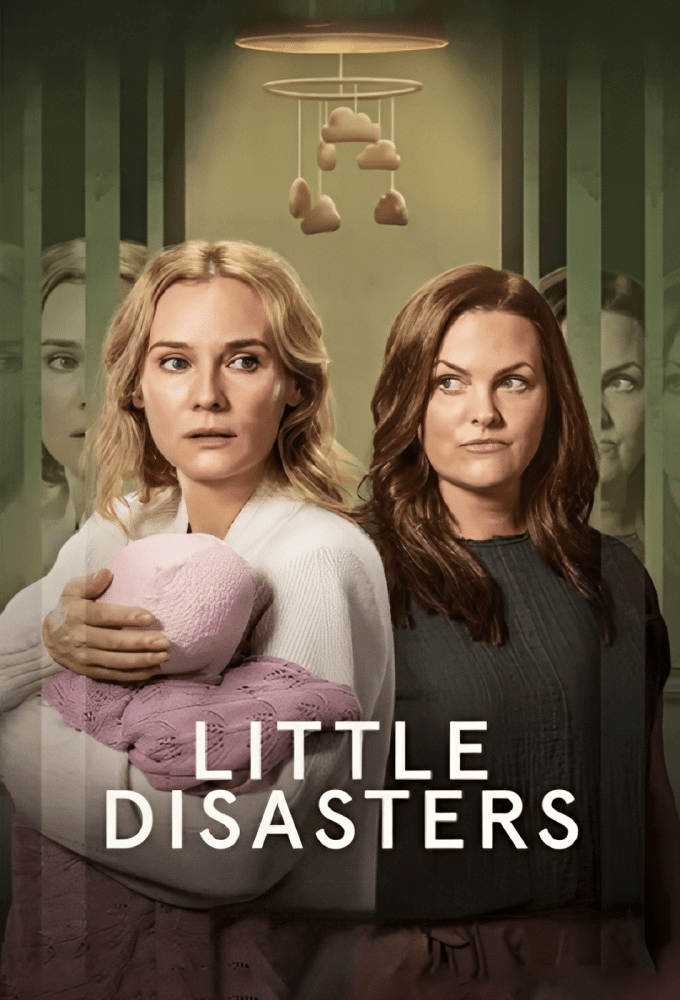
The Many Betrayals of Woman in Little Disasters (Limited Series 2025)

Little Disasters is a limited series that raises questions about friendship, motherhood, a woman’s duty to bear children, etc. This adaptation, from a Sarah Vaughan novel, makes compelling arguments while patriarchy wreaks havoc on society and women’s suffering. Even as women’s rights give them autonomy over their bodies, they are still shamed for how they use those rights and live with guilt every day.  

There is Jess, a married mother of three, played by Diane Kruger, who has reached her limit with the birth of her third child. Even though she is a stay-at-home mom, and one would assume that should solve any overwhelm she may experience as a mom of three young children, yet she finds herself exhausted with domestic life, and getting little help from her breadwinner husband.

Then there is Liz, a working mom and wife, played by Jo Joyner, who has a seemingly under control drinking habit, to cope with motherhood, wifehood, and being an A&E nurse. She became one of Jess’ longtime friends, after meeting through a mommy group, although one could argue she is no friend after calling social services on said friend.

Then there is Mel, a mother and wife, trapped in a troubled marriage—bounded by financial dependency, with two preteen kids to look after. She comes to Jess’ aide when social services require Jess and her husband to choose a temporary guardian to care for the children—in their place—during the CPS investigation. But is Mel taking on this responsibility at the expense of her family and marriage?

And last of the mommy group, there is Charlotte, a motherless mom and wife desperately trying to have a baby but resigned to the possibility that she may never become a mom through natural means. Though she loves her husband, she is driven by the guilt that she cannot make him the doting father he would like to be. Charlotte copes with this betrayal of her body by being flirtatious with her archnemesis Jess’ husband.

And then there are the men, who are portrayed as having it together but for minor character flaws except for one husband. Not to mention poor choices in spouses, because most of the women experience serious issues that threaten their families and livelihood. Otherwise, the men are good husbands, fathers, and of course—providers.

The lives revealed in this limited series are relatable and realistic however, they depict an alarmingly blasé sexist attitude in the societal norms of this friend group and society, that even the women are susceptible to and rarely challenge.

A Gothic Thriller with Family Secrets And Old Money: The Heiress By Rachel Hawkins

The Darnell family was built on lies and old money. You’re already suspicious of them because no one seems to earn their wealth laboriously. Somehow, their affluence rolls into the next generation’s slot with the ease that barely raises suspicion.

The Darnell family has lived in the North Carolina mountains for over a century. The family and the story’s setting, the author sensibly compares to the Biltmore estate and the Vanderbilt family. Rachel Hawkins gives reminders of the time period by linking Ruby to American presidents and other notable figures, without the reader feeling like they were being hand-held the whole time.

One gripe I have, is that it was confusing at times when it came to the female characters, especially when the Darnell family was introduced. There were a lot of female names and people mentioned. The details about the setting and time period are superb.

Camden’s reveal was hinted at early on so I was not all that surprised by the ending. Jules’ reveal was a little more shocking. However, Ben mentioning to Jules something about her doing what she was supposed to do, seemed to be left unanswered. Another loose end was the connection between those two (maybe I missed it) but it seemed like it never was followed up on.

I like the structure of the chapters. I can’t believe I never asked myself who was reading the letters. I assumed they were there for the reader, who knew. The three points of view, and the present and past tenses were great. I was always looking forward to getting back to Ruby’s letters though.

I also knew something was up, early on when Camden would refer to her as Ruby and he alluded to there being foul play with her death.

If you’re in the mood for a period piece from the 20th century with Gothic vibes, I would give this thriller a read. I liked the ending but I can see some readers feeling like there were too many reveals and too many twists. It kind of felt like Hawkins was trying too hard–just a little.

Junkie 4 A Story

Life comes to a halt for a good story

Skip to content ↓