Can A Female Perspective Be The Answer To Reviving The Mafia Subgenre

It’s been over fifty years since The Godfather premiered in theaters, and Robert DeNiro gave an Oscar worthy performance in The Godfather Part II, for his role as Vito Corleone. Almost twenty years later, fans of mafia films received another “would be” classic, Goodfellas in 1990, becoming a favorite, along with its director Martin Scorsese, among Generation X and Millennials. One consensus among classic, mafia films, is their male hero(s) at the helm, and male toxicity propelling the stories.

Not that viewers are eager to see women in the criminal sense, it is a sexist perspective to assume that women are incapable of committing crimes of the mafia sort, are less appealing in those roles, and/or an audience would dislike a mafia film with a female mobster in the lead role or a female dominated cast of characters, which is insinuated when male leads have an overwhelming dominance in the subgenre.

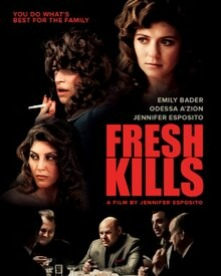
Speaking of female-led mafia films, I recently saw Fresh Kills, starring Jennifer Esposito, Emily Bader, and Odessa A’ zion. This film is reminiscent of a Martin Scorsese film, with the exception of a female-centered story. In no way am I undercutting director Jennifer Esposito’s directing style, but at the risk of being presumptuous, his influence is present: the movie has a voice-over narrator, NY setting, and even a two-hour running time that moviegoers are accustomed to with Scorsese films.

Jennifer Esposito, as a director, pulls great performances out of her two screen daughters: Rose, and older sister, Connie. She has the acumen of a director with twenty years of experience, you can probably attribute to her acting career. As a director, she doesn’t always rely on dialogue to inform the audience, nor does she have her young women crying excessively when faced with adversity, which is a lazy, go-to move, too often used by male directors. She shows the different layers of her characters in realistic ways.

This film’s story arc is dominated by the female characters but don’t overlook Dominick Lombardozzi’s superb performance. He plays the family’s patriarch, Joe Larusso. His subtle performance as a mafia don works. Viewers are known to like their mafiaso characters depicted in a brash and overt way. In his portrayal, the moments where Larusso speaks no words, show him as a boss the most. It’s not always the guns, verbage, and violence, but the walk of a don, his smirk when he’s in handcuffs, his cocky pose in a courtroom; usually those in power have a quiet authority and–if they are smart–they choose a less conspicuous profile. Lombardozzi embodies the persona of a Paul Castellano archetype.

Fresh Kills tells the story of a mother, raising two daughters, with her mafia don husband in Long Island, NY. The tale begins in the late eighties then fast forwards to 1993. The Larusso’s appear to be the average, American, middle class family, with the exception of their mafia affiliation. However, as the girls get older, they get wise to their father’s mafia title and the loyalty their parents expect from them. Connie alludes to wholehearted loyalty while Rose is in evocative conflict with this expectation.

Thirty minutes into the film, I began asking myself whether it’s time to find another movie to watch; I was growing bored. At first, it felt like the camera lens was wandering, trying to catch entertainment as it happened. Then the story started to pick up. I could see where it was going. The story lacked focus until we see the dynamic between the sisters, as they entered their twenties. Rose and Connie grew into two different women, with distinct moral compasses, which made their domestic life and family wars vivid and tumultuous. The lesson Connie tries to teach Rose is the lesson she failed to learn herself.

This is not a typical mafia tale in that it focuses on female relationships between the mother and her daughters, and the “seemingly” loyal sister against the sister struggling with her identity within a family whose convictions don’t align with hers’. These relationships and the mafia ties that bind them, display a struggle so complex that it stifles a young woman’s identity.

Rose is the character whose development gets the most attention, pertaining to the writers room. Throughout the film, she is dragged around by her controlling sister, who is more vocal and somewhat of a badass. Though Connie has secrets of her own, and struggles with her identity, she is better at disguising her insecurities and disloyalty. Meanwhile, Rose doesn’t know how to tell the man she has been dating for years that she is not interested in the traditional trajectory expected of a woman and needs time for self-discovery.

Older sister Connie should not be idolized; we learn her identity, and fate, in the end. Until then, she portrays a front of confidence and control under pressure that Rose admires. Connie is the woman of two faces. She upheld a facade that even her own family believed. It also shows how the mafia lifestyle can destroy a family–not only by external forces, such as law enforcement, politicians, and legislation–but from the inside.

In the moments when the film focuses on too many relationships and dynamics, it is uninteresting, but when it zeroes in on the sisters, it has the potential to be in conversation with classics from the mafia subgenre. I would recommend this film, especially if you like mafia films but are tired of the same old vices glorified in the male-dominated stories.
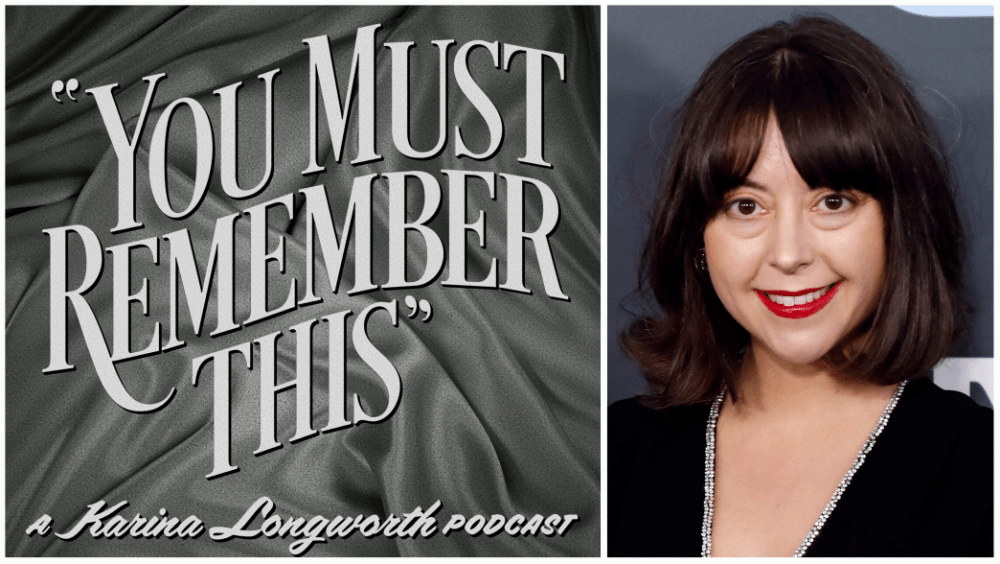

You Should Remember This Podcast Will Quench Your Thirst For Old Hollywood Filmmaking And Its Stars

I was introduced to Mrs. Longworth through one of my favorite podcasts, WTF with Marc Maron. She came on to talk about her podcast, You Should Remember This, which focuses primarily on the 19th century of Hollywood filmmaking.


In their discussion, Marin was clearly fascinated with old Hollywood and that style of filmmaking, conversing about classic films in comparison to 21st century filmmaking. They discussed some of her podcast episodes, focusing heavily on the Sammy and Dino series, which Longworth used the biography Dino, written by Nick Tosches, as the primary source for. 

Longworth is knowledgeable in filmmaking and old Hollywood. She attended the Art Institute of Chicago, before completing her undergraduate studies at the San Francisco Art Institute, then she earned a Master of Arts degree in Cinema Studies from New York University. Afterwards, she returned to Los Angeles, becoming an accomplished journalist, writing for New York Magazine, The Daily Beast, and HuffPost.  

Marc Marin does a conspicuous job of mentioning–multiple times–that she is married to filmmaker Rian Johnson. It may be his love of films but the feminist in me was giving him the side eye, if just for a second. Still, she has notable accomplishments on her own and a sharp and creative mind. 

With her podcast, You Should Remember This, Longworth educates her audience while maintaining a nostalgic interest in what she labels “the first century of Hollywood”. She strategically blends well-known actors, filmmakers, films, etc. with lesser known and forgotten stories of Tinseltown e. g., silent star Billie Dove, the Blacklist of the 1940s and 50s, and the success of the 1986 erotic thriller, 9 1/2 Weeks.

Karina Longworth is not a personality type (this is where listening speed improves enjoyment) but she more than makes up for that with her competence on the subject of Hollywood. She compels listeners to expand their interests beyond the infamous names associated with this time period, such as: Marilyn Monroe and Frank Sinatra and invest their intrigue in stories about the NC-17 rating and how it influenced filmmaking and Louis B. Mayer’s rise and fall as studio head at MGM. 

I encourage you to give this podcast a listen and subscribe for Hollywood intrigue. For more info, click the link below:  

Seasons — You Must Remember This (youmustrememberthispodcast.com)

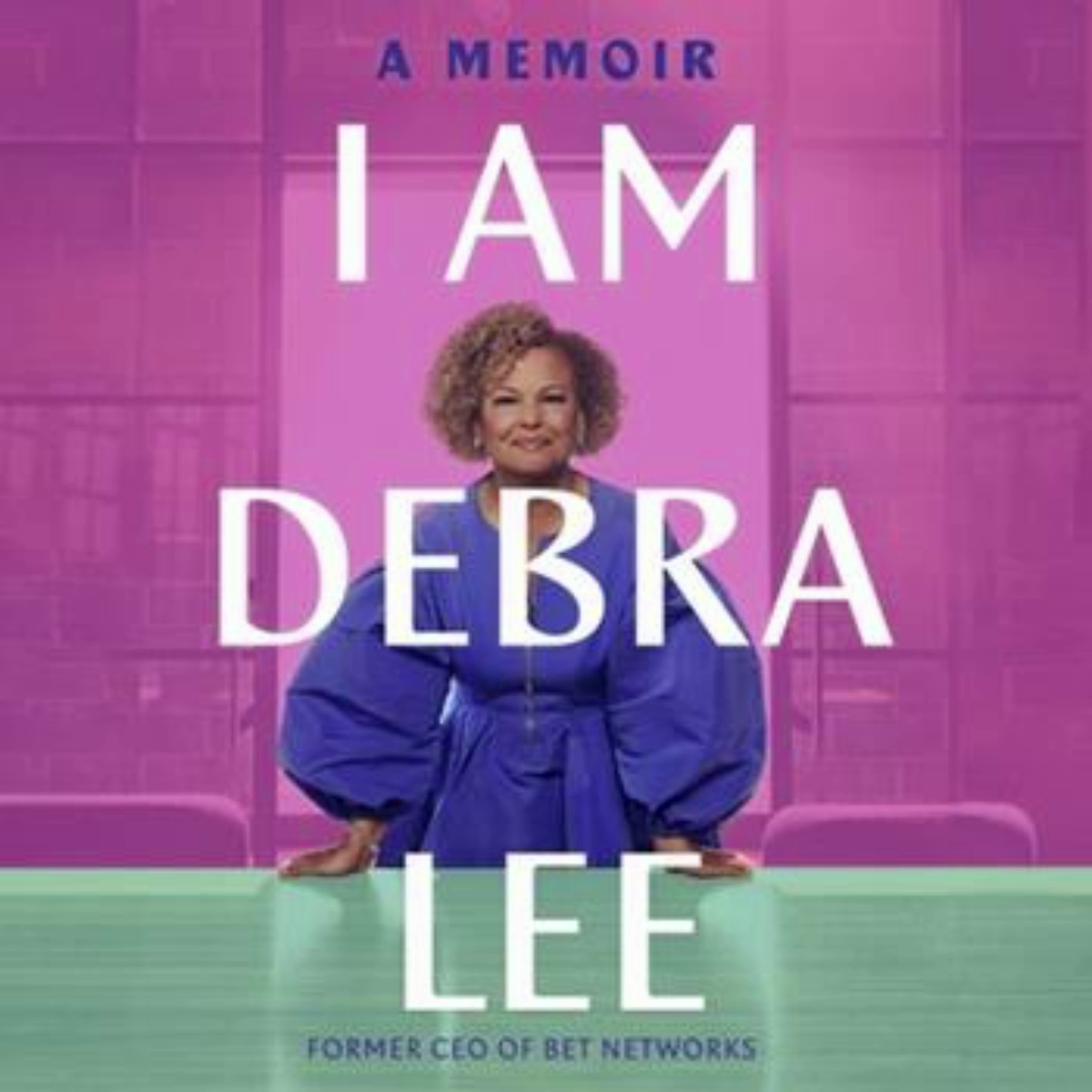
Former BET CEO, Debra Lee Championed Black Excellence While Being Denied Her Professional Worth

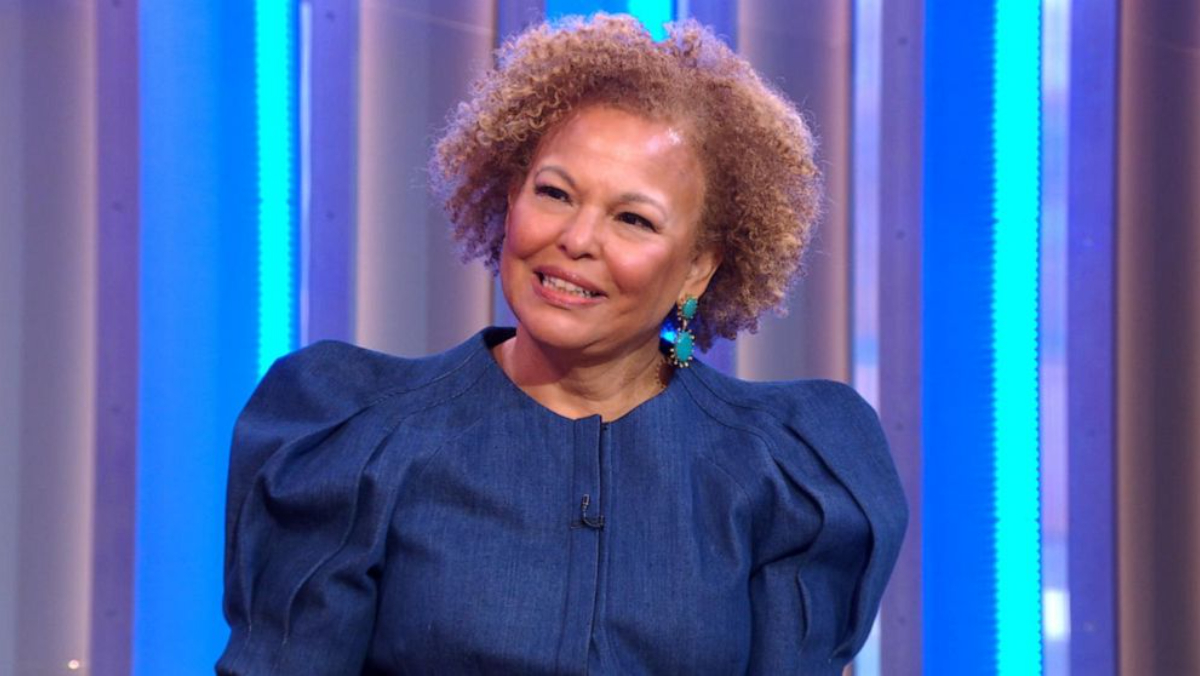
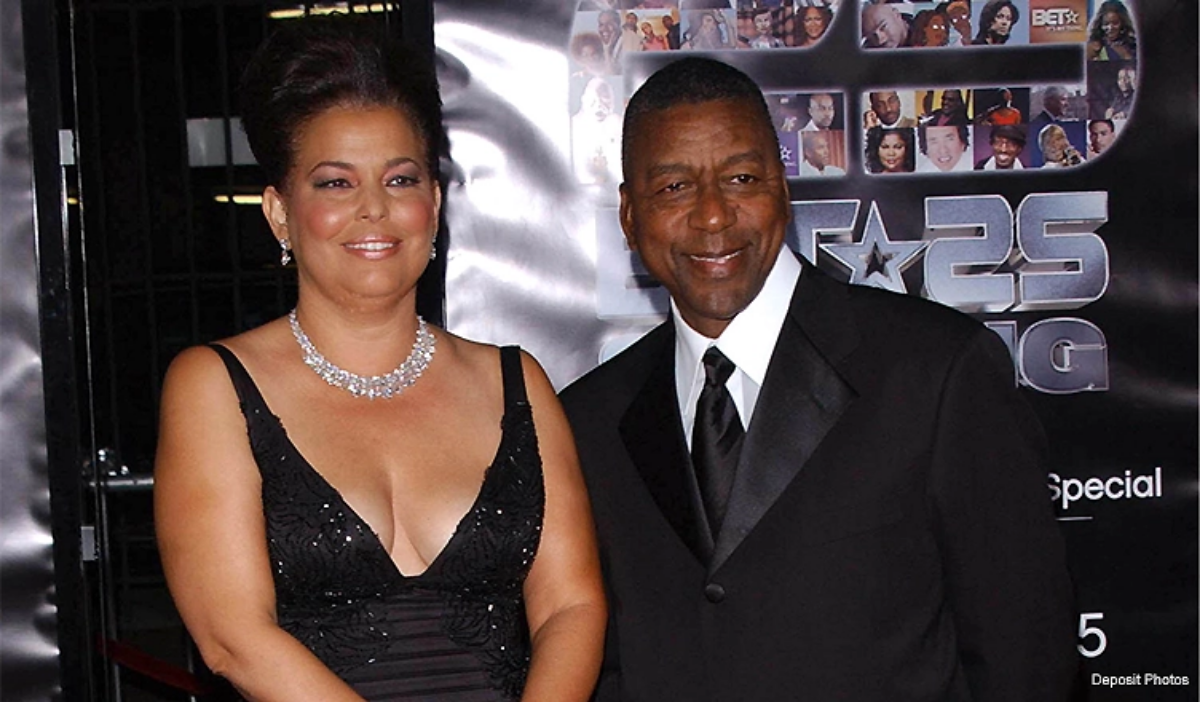
“For the first ten years of our professional relationship, Bob and I were strictly colleagues. I considered him a mentor, a sponsor.” (Lee p. 172) In an interview with Good Morning America’s Robin Roberts, Debra Lee admitted to an affair with founder and original CEO of Black Entertainment Television, Robert L. Johnson. 

I listened to Lee talk about contemplating leaving the company but knowing it would be inauspicious if she could not secure a recommendation from her former employer of several years. It would ostensibly set off red flags to potential employers. I rushed to the bookstore, purchased this memoir, and immediately dove in to uncover how the affair ended.

Like everyone else, I knew the BET lady as the person who would ceremoniously present awards. She did not have the celebrity that male CEOs sustained such as: Elon Musk, Bill Gates, and Tyler Perry, through media and publicity. Male moguls tend to have an identity, separate from their mogul accomplishments. However, when it comes to female CEOs, first–where are they? Secondly, why do they receive unequal attention?

In Lee’s memoir, she talks about her male mentors, throughout her career, and how she never had a female mentor–nor were there female CEO’s that she could model herself after. She was becoming a mogul, from scratch, with almost no allies or champions, building momentum to her victorious rise. 

Inadvertently, she comments on some of her most tumultuous years in corporate America, which can attest to the unique struggles women face in the workplace. To address and ultimately correct them, would expose female employees to retaliation. Even with a law degree from Harvard, she could not overcome the predatory behavior that perpetuates across all industries.     
In reading her memoir, I learned that her story is a relatable and teachable one of corporate politics that young women, entering the workplace today, can learn from.

Debra Lee was hired at BET as general counsel in 1986, when the company was in its infancy and not yet publicly owned. By her own account, she was the legal department. Her boss, Bob Johnson stretched the word “general” to mean “comprehensive”. 

When she came on board, she recently married lawyer Randall Coleman, who is the father of her two children. They agreed to delay starting a family because of their demanding careers. A few years later, she became pregnant with their first child.

Lee states, “I was the first senior executive at the company to get pregnant.” (Lee p. 120) At that point, she wrote BET’s maternity leave policy, while planning to exercise that right. She continued to work aggressively–as general counsel, among other roles–until the morning her water broke. 

After having her baby boy, she remained active in her role as general counsel, while tending to her nursing baby. Maternity leave was a novel idea that CEO Bob Johnson had no intention of adhering to. 

According to Debra Lee, when she went on leave, her husband, who did not get paternity leave [this was the 1980s], was helping out at home along with their families.  There was no second person, in the company, to fill her role, in her absence. Clearly, there would be no reprieve from her professional duties, while maintaining on paper–that she was on maternity leave.
 

This disregard for a federal regulation was not one instance at the Black owned company. Founder, Bob Johnson is charismatic (Lee’s words, not mine) in a dangerously corporate way. When Lee met Johnson, she was contemplating splitting from Steptoe and Johnson law firm in DC, the firm she worked for after her federal clerkship for Judge Barrington Parker Sr. 

Lee was enticed by Johnson with the offer of general counsel. She got a taste of the work she would be doing, when she handled client work for BET, who was one of Steptoe and Johnson’s clients.  

It was as if the clouds parted and made way for this serendipitous step on her corporate ladder. She saw no reason to discuss salary before accepting the position. Johnson shouldn’t be accused of exploiting Lee in this situation. After all, she was a lawyer. Her poor judgment cost her an $18,000 pay cut. Upon meeting with her boss, she learned, with astonishment, that Johnson paid all of his executives the same flat salary–non-negotiable. 

This egalitarian pay system can be justified in a startup, which you could argue was the current situation. However, it continued for far too long in Lee’s career at BET. She eventually realized she was undervalued and looked to sever professional ties with the company for entrepreneurial efforts. 

Anyone starting a business can expect the venture to be tough, without family obligations. Having a new baby, and husband with a career of his own, would only add to the complications. It was understandable why Debra Lee wanted to make it work at BET, which explains her persistence in asking Johnson for a raise. His stance was clear on this matter, as she stated, “We all started at $50,000 and received the same yearly bonuses and salary increases.” (Lee p.141)

The culture at BET was male dominated and it didn’t help matters that her male colleagues were aware of her salary desires. Some even encouraged her to “just leave,” if she was unsatisfied. Although, this would have put the company in a vulnerable position had she acted on those provocations. 
Which leads me to Bob Johnson’s possibly strategic move to shift their professional relationship to a romantic one. Lee blurs the line between consensual and not, when reflecting on their romance. However, when reading her account, you can’t help but speculate Johnson’s predicament: knowing his general counsel was unsatisfied with her salary and considering leaving the company. He may have convinced Lee in 1986 to accept a $50,000 salary and his egalitarian pay system, that helped build his multi-million-dollar fortune. However, getting the next person to comply–in the 21st century–was unlikely.
 

Debra Lee firmly states that she and her boss had a strict, professional relationship for ten years. He hadn’t made a move and she filed it under, “Things Debra Would Never.” After he offered her the Chief Operating Officer position, he made no subtle attempts on his naive conquest. It’s unfortunate because the romance consequently left her questioning her achievements at the company, she devoted most of her professional life to.

Bob Johnson, who she counted as a mentor and friend, flexed his male toxicity all over her personal and professional life after they became sexually intimate. She details how Johnson would enforce his authority to remind her who’s CEO and who’s not, whenever she would get out of line. They would get into arguments during business trips, sometimes physical she admits, then he would leave her stranded, denying her access to his private jet to return home.

It was the fortune Johnson made, while denying Lee a meritable salary based on her achievements and seniority, that he used to scold her when she provoked his insecurities.

Again, this memoir is a cautionary tale that I encourage everyone to pick up and read.

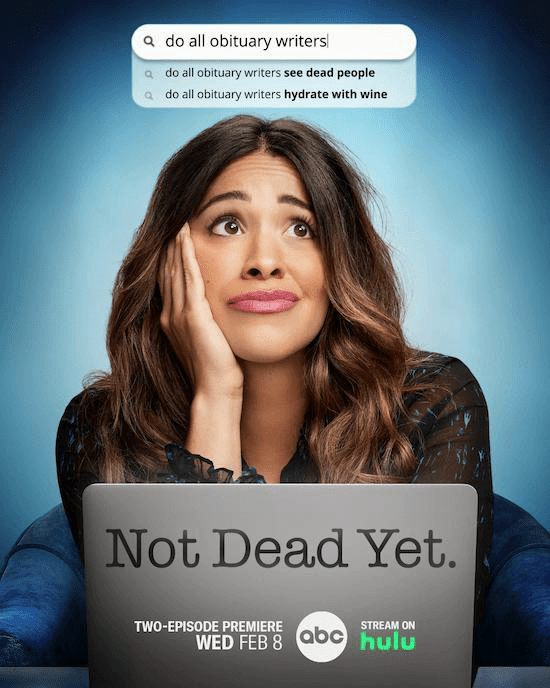
Can The Dead Revive What Not Dead Yet Calls Comedy

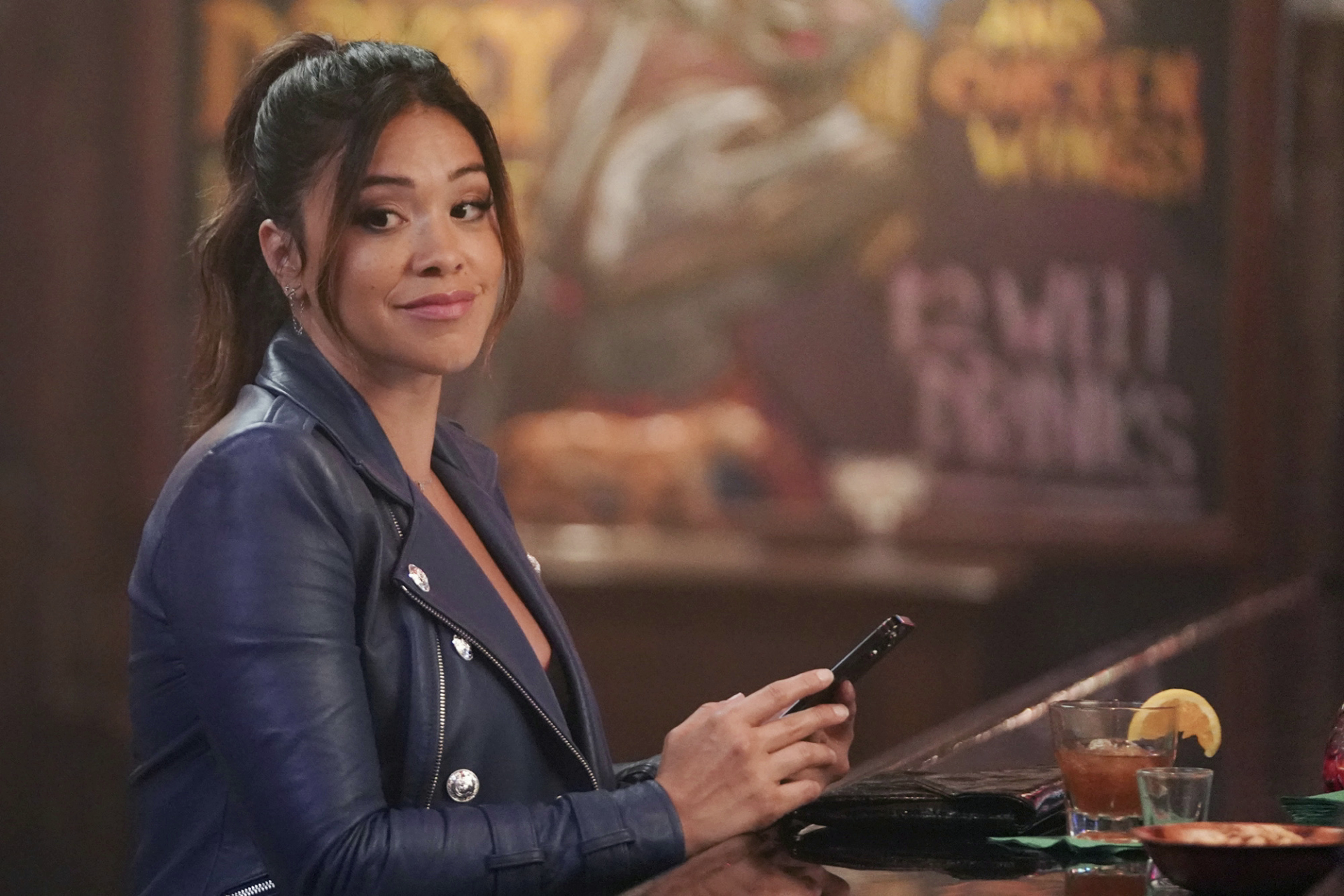
Gina Rodriguez’s new TV series, Not Dead Yet has all the makings of TV gold: a bankable star, unique yet relatable premise, and great writing. However, it fails to give an auspicious delivery of sitcom mastery. Not Dead Yet is about a newly single woman who is returning to journalism, to pay the bills that she was accustomed to her ex handling.

Nell Serrano has a special relationship with the dead people, whose obituaries she writes. We get to see those relationships form at her cubicle and home. Though it would be pointless to get attached to those characters, since they have changed with every episode, so far. Instead, a flashback episode, or however the writing team can incorporate more of Nell’s backstory, would be interesting for viewers curious about the ten-year work gap.

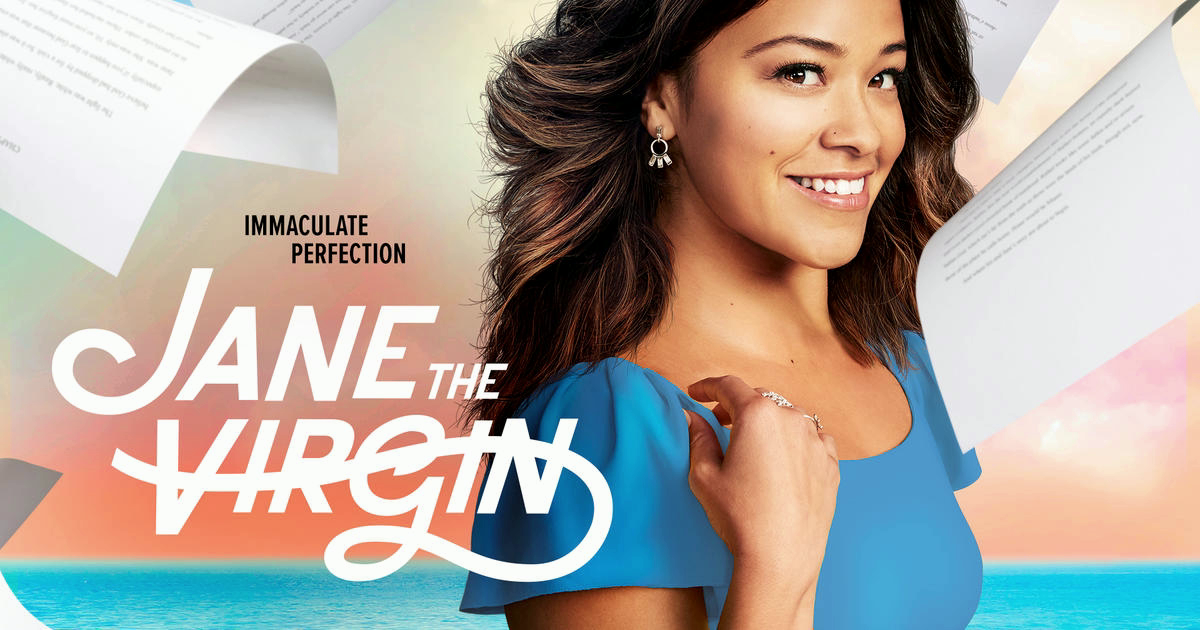
The last time we saw the Puerto Rican beauty, on the small screen, was when she starred as Jane Villanueva in Jane the Virgin back in 2019. Since then, she has moved away from young and virginal, female characters to single-female-dating, with class and talent. However, Not Dead Yet arrived on viewers To Be Watched schedules with the anticipation of a proven Emmy Nominated series. Unfortunately, thus far, it is not worthy of viewers’ attention.   

I was dying to put the cliche saying, “dead on arrival” in the title, but I digressed. You can’t stop me from putting it in the review. Not Dead Yet is dead on arrival even with a life jacket and ambulance following behind. Some critics say there is potential for resuscitation. Don’t hold your breath, only dead characters on the screen please. Okay, like a guest turned roommate, the cliches have worn out their welcome.

Not Dead Yet has all the makings of an exquisite recipe; why does it leave us dissatisfied? After watching the first four episodes, I can confirm that this series is inexplicably bland with delectable writing.

Gina Rodriguez stars as the obituary writer, who gets inspiration from the dead people themselves. The formula sounds like a broken rule: requiring a new supporting character for every episode; still, that does not explain why it fails. The main cast, for one, has zero chemistry. There is Lexi, the boss and daughter of the publisher, which is a playground for comedy with any accomplished writer; Sam, Nell’s best friend, who has a salty personality with sassy wit; and Nell herself, is begrudgingly single and ready to have someone pick up the tab. It’s insensible why jokes are absent or flat with this set up. With the laughter on hold, upon further review of dry comedy–not in a good way–one could mistake this series for a dramedy: hilarity for acquired taste.  

I have not come across a show about obituaries, which is why I am tolerant and forgiving of the epic failure of the two-episode premiere. I suspect this series may find its place—on the list of cancelled TV shows of 2023. If the producers don’t shake something up: either the main cast or storytelling structure, they are going to lose their excited audience quickly.

What works on the show is the idea of Nell being the only one able to hear and speak to the dead. What’s not working is Lauren Ash as a tame, Bitch boss. I’m not sure how she could not get into the role: could her awkward, teenage years have been artificially removed from her memory? Whatever the delay is, Ash needs to get out of sleep mode and into Bitch mode at godspeed.  

If and when this show fails, Gina Rodriguez, as the star and one of the executive producers, would take most of the blame. If she can get to the root of the anemic chemistry, in the table read, us viewers wouldn’t have to suffer through mediocre, sitcom acting that is not even on the level of a funny YouTuber with no budget for professional writers. 

Lastly, let me apologize. I called this show inexplicably bland when I knew all along what the problem was.  

Country Rock Superstar, Shania Twain Is Back, Kinda

We have loved Country music icon, Shania Twain for decades, ever since she and her ex-husband, Robert John “Mutt” Lange came on the Country music scene as a dynamic duo. She is known to go on a hiatus but this one may have been provoked by personal issues.

In the Netflix documentary, Not Just A Girl, Twain talked about losing her voice, after having numerous surgeries, misdiagnoses, and working with multiple doctors before getting the correct diagnosis of Lyme disease. During this period, she even considered quitting singing because of the difficulties but received encouragement from music legends like Lionel Ritchie and David Foster.

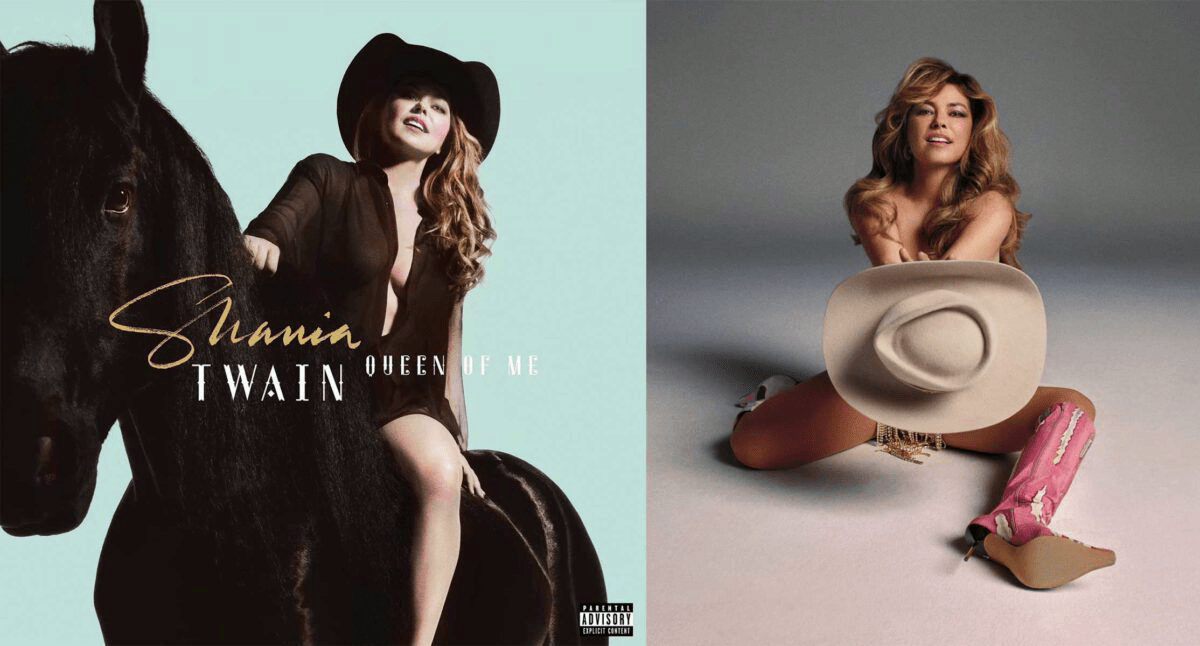
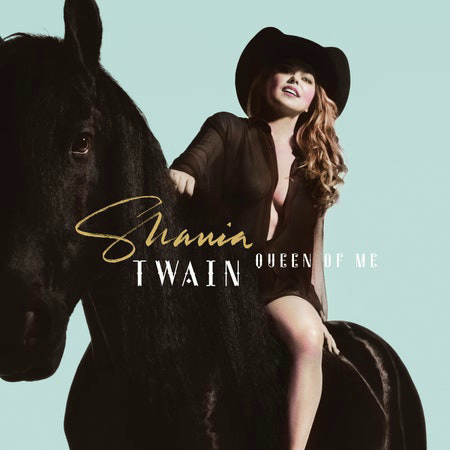
Fortunately for her fans, Shania Twain succumbed to the urge to get back on the horse–speaking of horses, it was a horseback riding accident that initiated the plentiful surgeries–and gift us, Queen of Me.

Her latest album, released on February 3rd, is more of the sound we know and love Shania for, which is satisfying, considering she no longer has her longtime writing and producing partner, Mutt Lange. Queen of Me has twelve new tracks–a mix of uptempo and ballads–that hint at the turmoil in her previous marriage, without getting too bitter and vengeful. This album is a grown woman’s Taylor Swift breakup album. Twain acknowledges the demise of her first marriage, takes some digs at her ex, but does not dwell on it, leaving her friends embarrassed for her.

Twain, or her record label, knew what they were doing when they limited this album to twelve tracks, with under forty minutes listening time: there’s enough music to satisfy your Country palette, while leaving you wanting more. She gives you different vibes without feeling like you’re on a dizzying, musical rollercoaster. Her writing is solid and the instrumentation blends in with the rest of her discography, leaving no one distinguishing between the Mutt Lange vs. post breakup, Shania Twain.

If I were to gripe about anything, it would be her voice. Of course, Shania was never trying to be Whitney Houston still, the voice we know and love is something–we the fans–have to memorialize. I know medical reasons attributed to the change, so I won’t harp on the Country diva, but it is notable. Although, the difference is not bad, she is raspier, and doesn’t have a strong enough voice for ballads but she pulls it off, in her own way.

I would recommend Queen of Me to long time Twain fans and music fans who are new to Shania Twain’s style of Country. I listened to this album on Hoopla but it is available, wherever you purchase and listen to music.

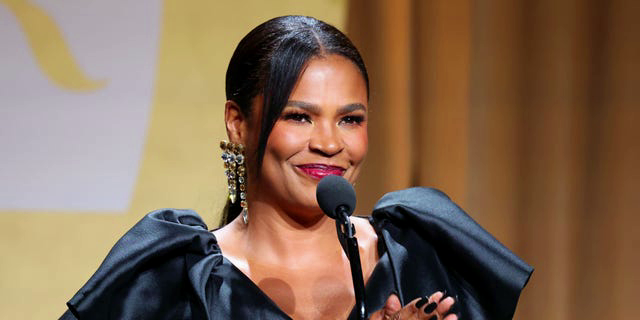
Nia Long Redeems Her Thriller Performance With The Film, Missing

Nia Long made a few attempts in the thriller arena, but one that stands out, for no good reason is, The Fatal Affair. Released in 2020 on Netflix, Long played Ellie Warren, a mother and wife who gets into a dangerous affair, with an old friend from college, played by Omar Epps. Epps was the only good performance in this forgettable film. It was nice to see a Black woman be at the center of a thriller plot, however, she wasn’t convincing as a woman scared for hers’ and her family’s lives. From that performance, I surmised that thrillers aren’t her strong suit.

Then came Missing. It could be the directors, Nicholas D. Johnson and William Merrick; or the chemistry and trust the actors had with one another; or the script, written by William Merrick, Nicholas D. Johnson, and Sev Ohanian. Something was different that caused Nia Long’s performance to be superior in this thriller.

Nia Long plays Grace, a single mother of a teenage daughter, played by Storm Reid, who has been dating a new guy for a few months, when they decide to go on a romantic getaway to Columbia.

This thriller is different because it relies on social media, technology, and devices to move the plot and slowly solve the mystery in the story. From the beginning, you learn that Grace (Nia Long) left Texas to start anew in LA with her daughter. Everything is going fine except on the romantic front. So like any single woman, she finds her solution on a dating app.

Her daughter, June (Storm Reid) isn’t ready to place her mom’s new boyfriend in the role of stepfather, but not because he isn’t making any effort. June is a typical teenager: doesn’t listen to her mom, stays on her phone all day, ignores responsibilities to party and such. But when her mom doesn’t show up at the airport, from her trip to Columbia, June switches from irresponsible teenager to capable young lady–determined to find out what happened and steer the investigation in the search for her mom.

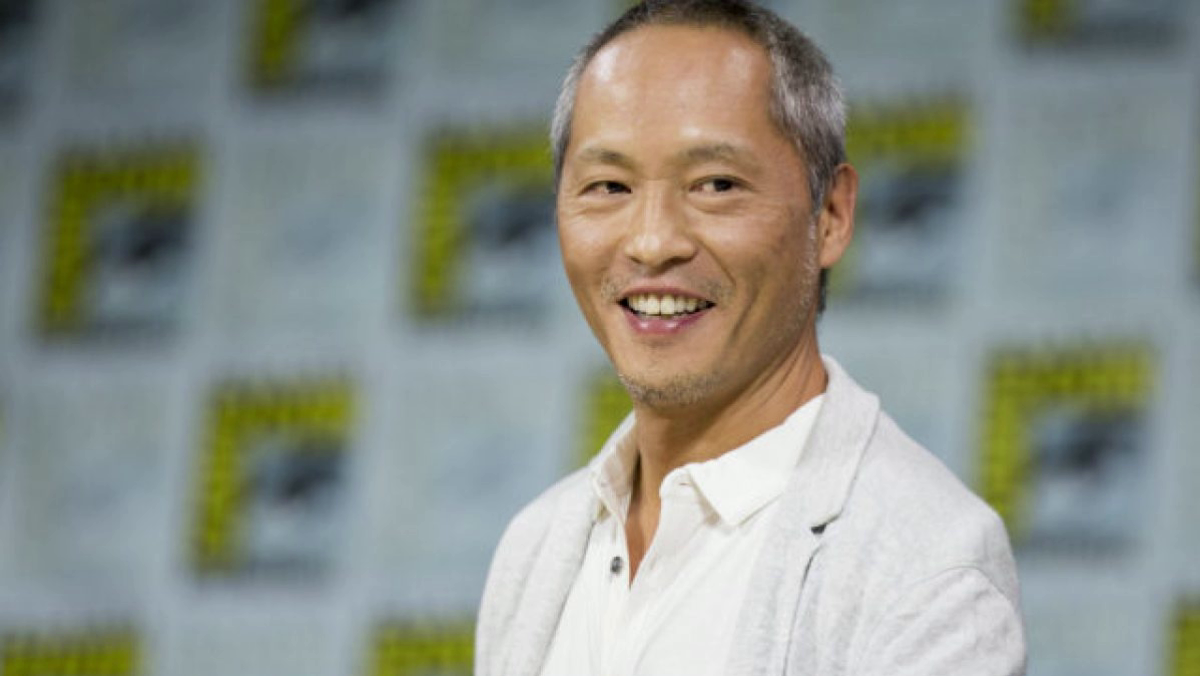
The mother/daughter relationship is great to see, especially since this doesn’t usually get developed in a thriller/mystery. The one area of opportunity would be the character of Kevin, played by Ken Leung. We know so little about him, which makes him a great suspect when Grace disappears. However, when all the loose ends get tied up, it seems this may have been one they forgot to get back to.

Otherwise, this is a solid film that uses devices in a way that didn’t dominate the story or overshadow the actors performances, but was innovative in how clever it enabled and perpetuated the plot. The entire cast gave a great performance and this film will most likely be one aspiring filmmakers study in years to come.

In an interview, when promoting The Fatal Affair, Nia Long mentioned how she never got to play “scared” and that is why she chose that project. I would argue she still hadn’t played scared based on that performance. However, I am glad to say, on behalf of filmmakers everywhere (because, my opinion matters, lol) we will now see you Ms. Long, for future thriller film projects.

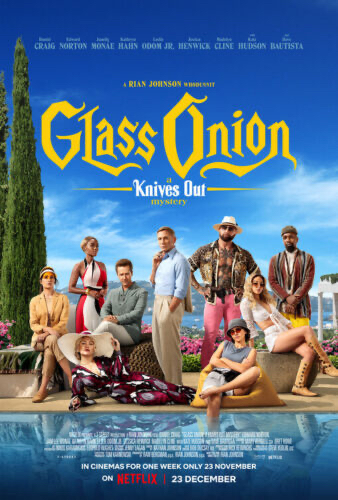
Maybe Rian Johnson’s Glass Onion Is Trying To Tell Us Something

The second installment in the Knives Out series, Glass Onion was not on my immediate list of movies to watch when it debuted on Netflix, December 23, 2022. The previews never compelled me to rush to open my Netflix channel. It could be the bevy of celebrities the streaming service tried to sell its subscribers on. That was a big mistake, considering the audience that liked the first movie, weren’t there for the A-list cast, instead the clever storytelling and Agatha Christie-esque mystery. None the less, I succumbed to fomo and excessive previews being shown, telling me I should like this, and decided to give it a watch.

I thought this Knives Out Mystery would not be as good as the first, which was loyal to its genre. However, from the first five minutes, I found myself immersed in the murder mystery that ensued.

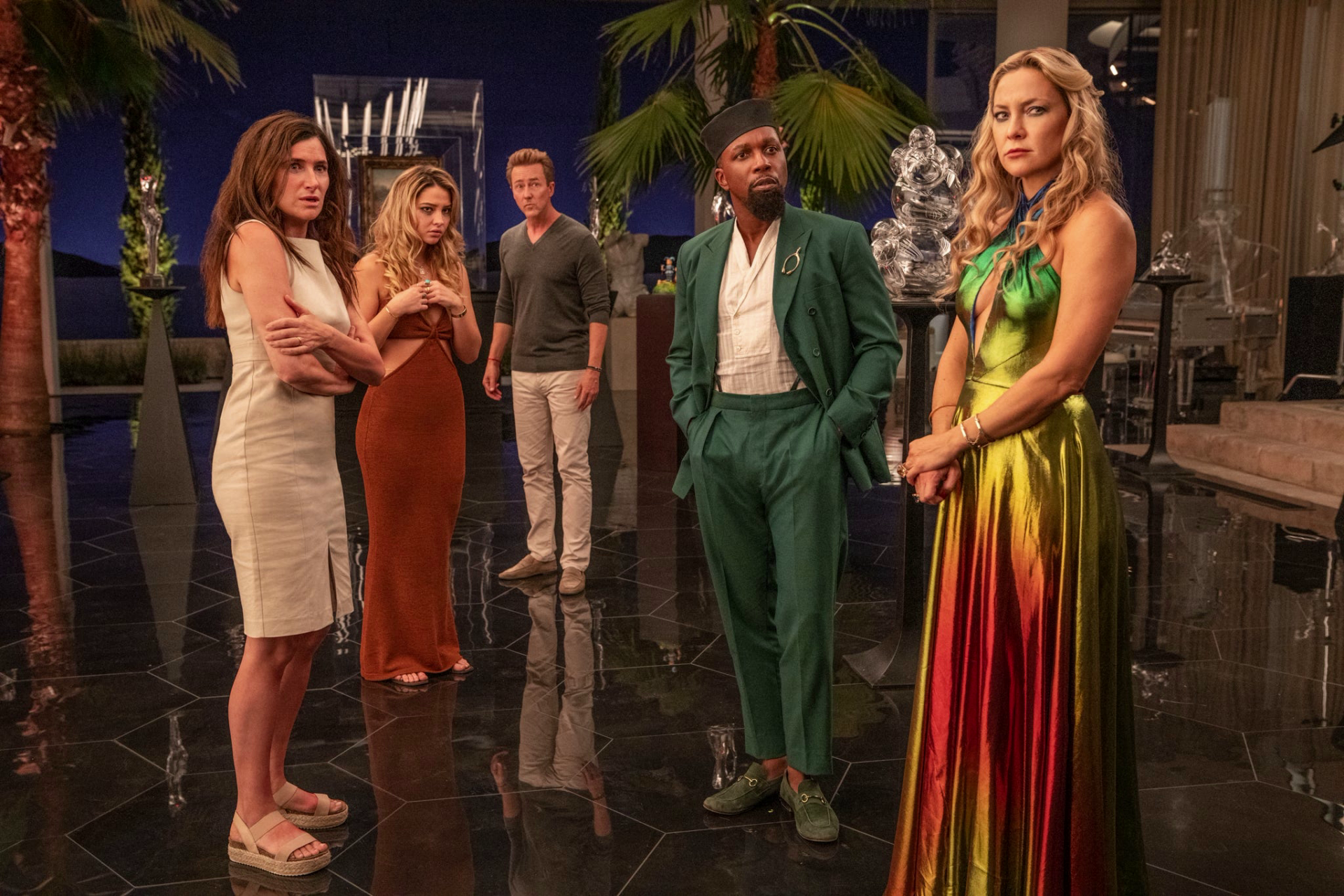
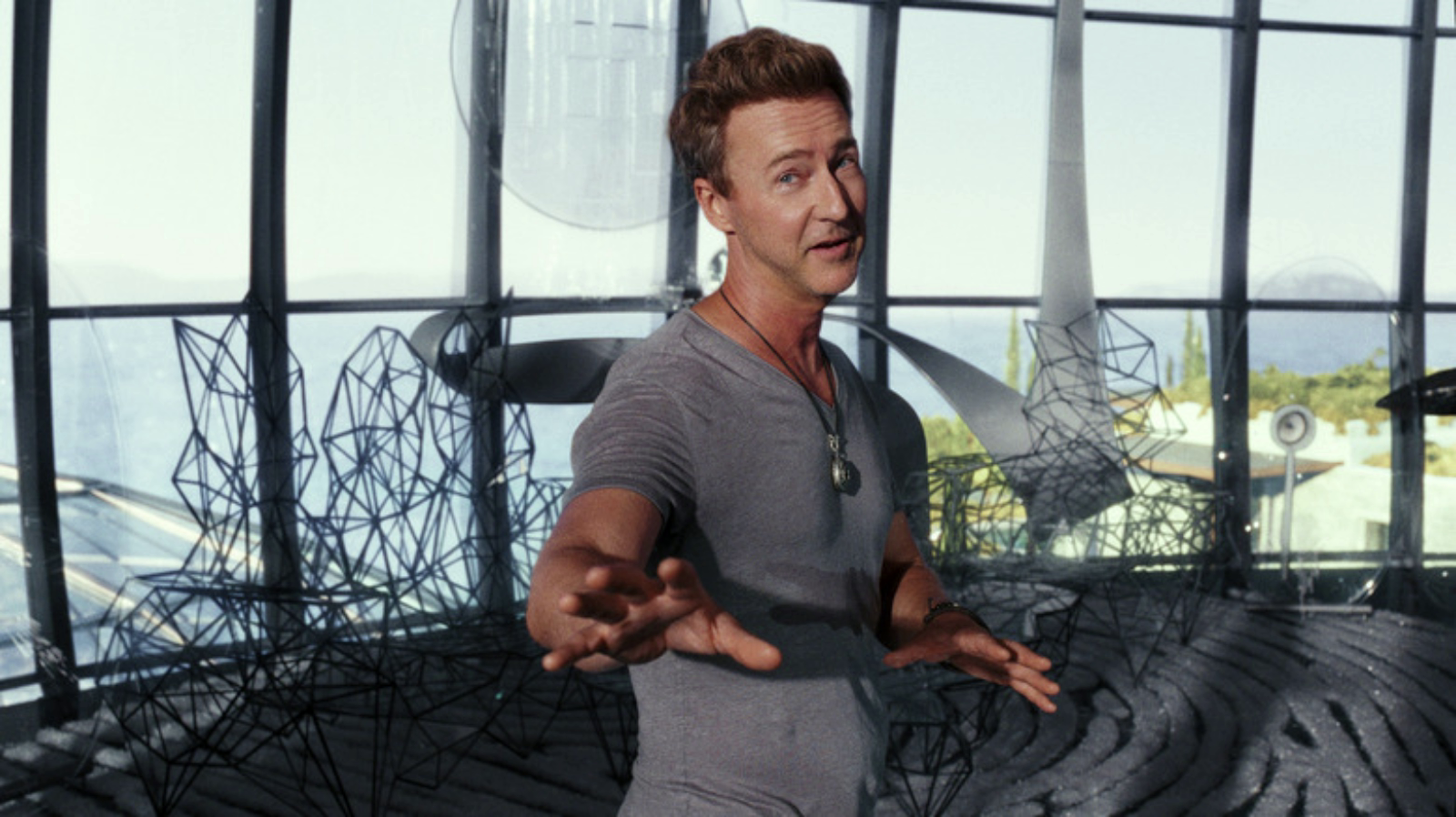
At the helm of this plot is Edward Norton’s character, Miles Bron, a tech billionaire who lures a group of friends, to his pretentious mansion on a secluded island, for some murder mystery shenanigans. This is not the only conspicuous metaphor traipsing through Rian Johnson’s movie.

The story unfolds in two-hours and nineteen minutes. By the midpoint, you start to wonder what else is left to warrant another hour of filming. Much like the glass mansion, there are layers and layers to this story–like an onion–that keeps peeling, as if it is missing a center.

The film starts by poking fun at the early stages of the 2020 pandemic. Celebrities and influencers are reinventing themselves in at-home settings, trying to disguise the mundaneness of their existence with hilarity.

Miles claims that he sent out five invitations, through a parcel delivery service. However, the successful detective, Benoit Blanc also arrives for the festivities. Daniel Craig returns in this role but his performance is almost overshadowed by the esteemed supporting cast. I’m not sure if his accent increased an octave this time around, but he is bordering on a caricature of his previous performance.

At times, it feels like a soap opera, making me question the two-hour melodrama. Then Rian Johnson, as if he can hear my complaints, accelerates the plot, sensing a drifting audience.

The disrupters, aka shitheads, are the celebrities we love and hate. They have ostentatious accents, vocabularies, and wardrobes. They make the evaporating, American, middle-class feel like peasants, incapable of catching crumbs. They use words like embrethiate (Google is laughing at you for searching this word) and reclamation only to remind us simpletons that their parents afforded them ivy-league educations.

The old saying about people who live in glass houses thematically inserts itself implicitly and explicitly in the mystery of who killed Cassandra Brand among other questionable behavior committed by the group. When Miles states, “I want to be responsible for something that gets mentioned in the same breath as the Mona Lisa, forever,” it’s not the first time you’ll resist the urge to slap him.

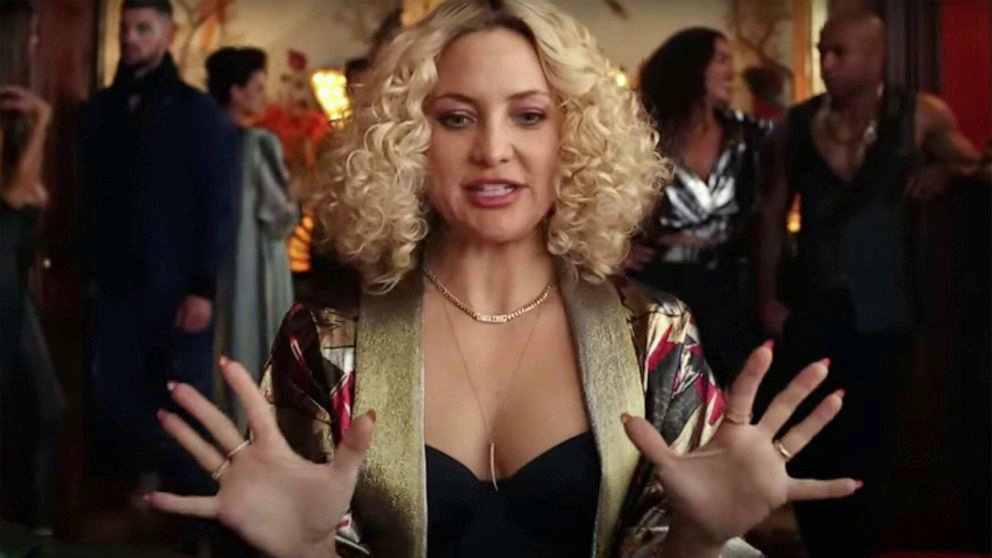
This whodunnit makes fun of celebrities in the most delectable way. The irony of Kate Hudson playing a washed-up model turned clothing designer, who had a sweat-shop scandal, was not lost on me. And when Birdie Jay’s assistant says, “we will do what we always do: deny, half-apologize, and then go silent,” it was a comical and honest account of celebrity fuckups in the social media era.

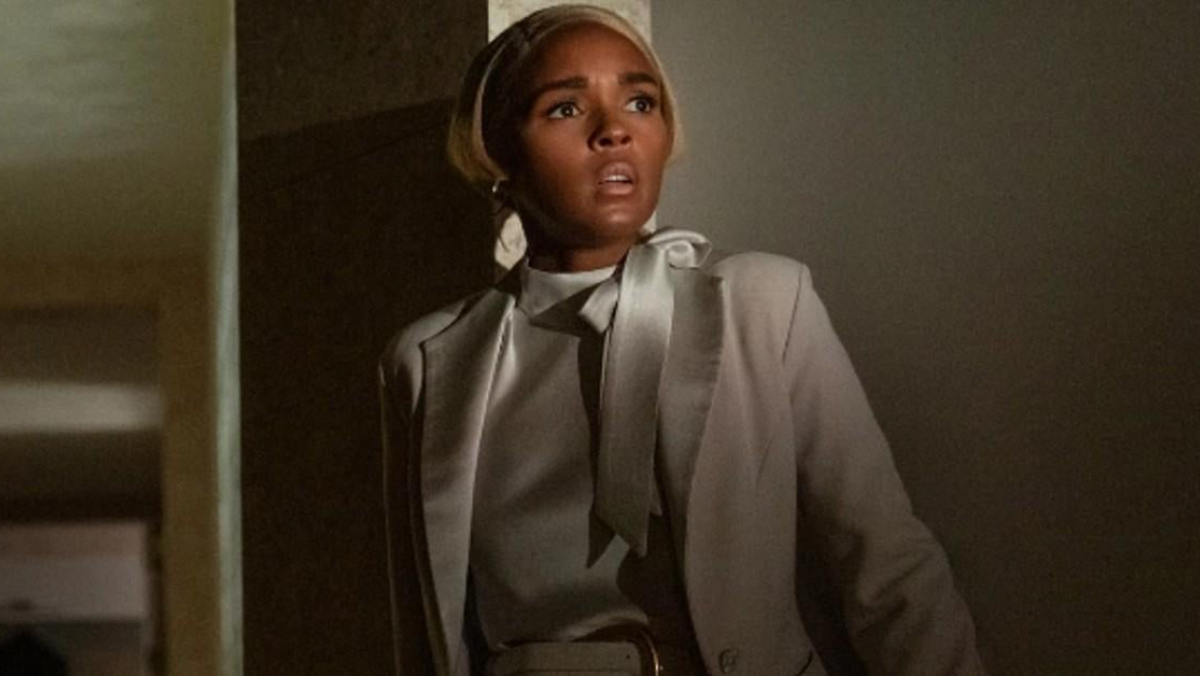
Janelle Monae gets extra points for playing dual roles with accents. Her characters were well developed. I even forgave her for the times when her accents got meshed up in between characters.

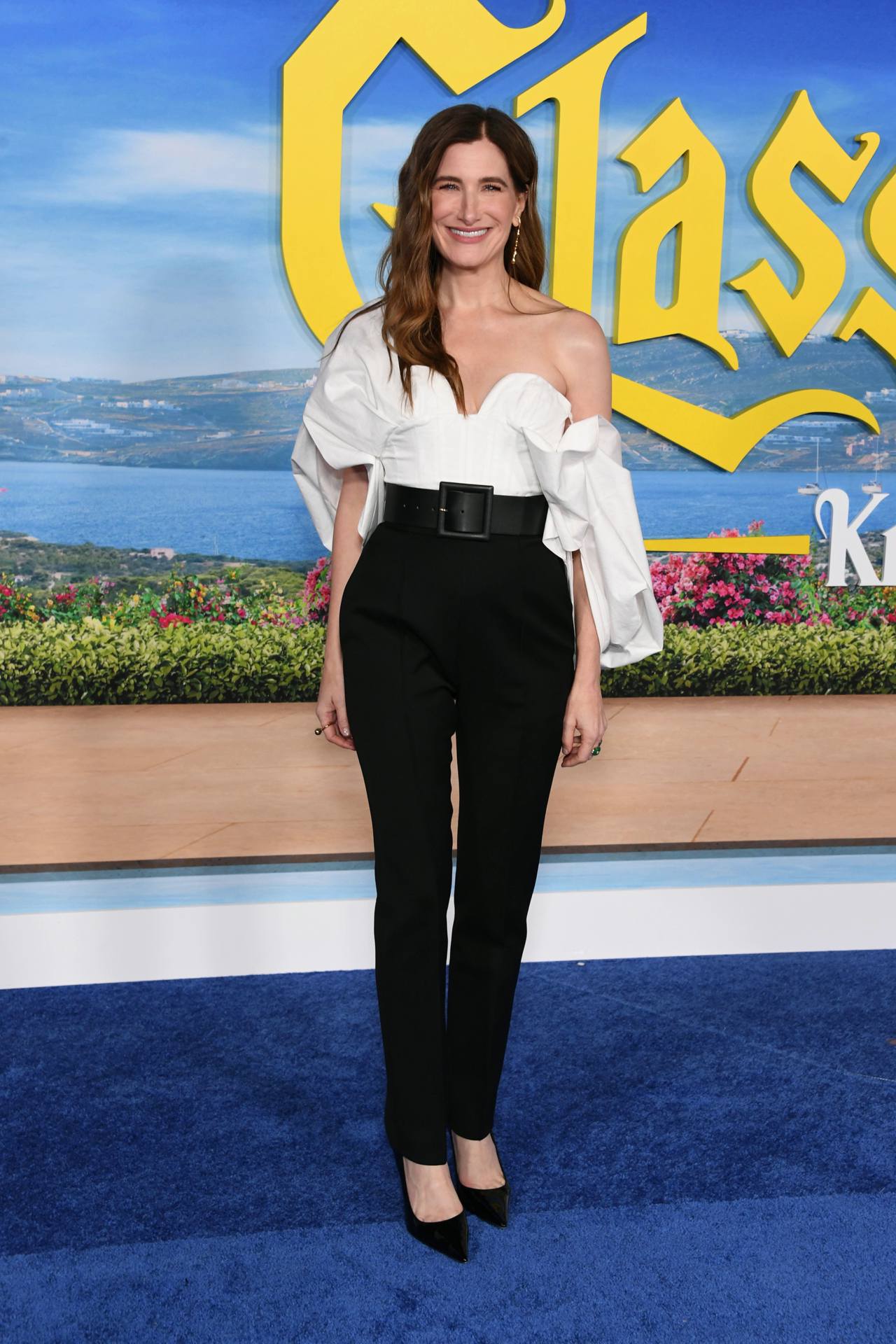
Kathryn Hahn, on the other hand, is a talented actress who doesn’t use her muscle as much for this role, which is disappointing. One could argue that playing a politician is to blame for her forgettable performance. I would entertain that argument however, it’s Kathryn Hahn. She can make a story about a white shoelace interesting.

This film would have been a superior success if Rian Johnson had not gone the Martin Scorsese school of filmmaking route. The more than two-hour running time did hurt this story, making the ending not as impactful. Still, it is a great follow up and worth your time.

Who Is Protecting Whitney Houston’s Legacy?

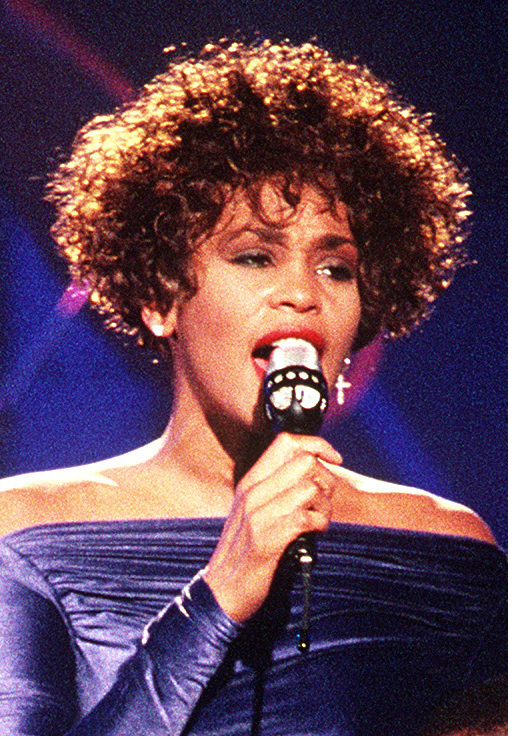
It has been ten years since we received the news that pop icon, Whitney Houston was discovered dead in a bath tub in her Beverly Hilton hotel. Since then, there have been numerous biographies, memoirs, and films about the legend that don’t hold a candle to her talent, which we were privileged to in her lifetime. With all these stories coming out in her passing, it begs the question, who’s guarding Houston’s legacy now? 

When Whitney Houston was alive, it was obvious that she guarded her privacy with intention. She did interviews, after the request became overwhelming, however, you could gauge that being in the spotlight was tiring for her. The media darling, before social media dominated everyone’s lives, was scrutinized–especially when her drug addiction could no longer be disguised. 

Still, no one came out with books or films about the icon [most likely because of their shallow loyalty to Houston] until her passing. Her good friend, Robyn Crawford published a book in 2020; another person who calls herself a friend of the legend’s, Angela Bassett directed a film, in 2015; even Whitney’s mother, Cissy Houston, wrote a book in 2013; and there is other content as well. 

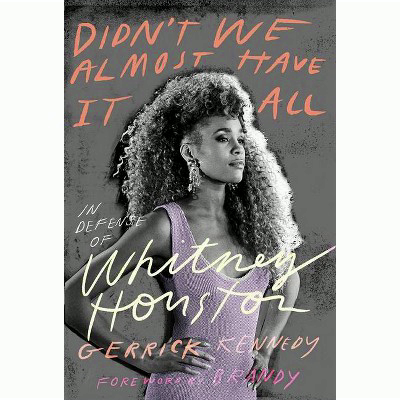
However, 2022 has been a busy year for Whitney Houston releases. There was the book, Didn’t We Almost Have It All written by Gerrick Kennedy, released in February. It got little attention, possibly because fans are bored with the same narrative that perpetuates common knowledge about the vocalist. 

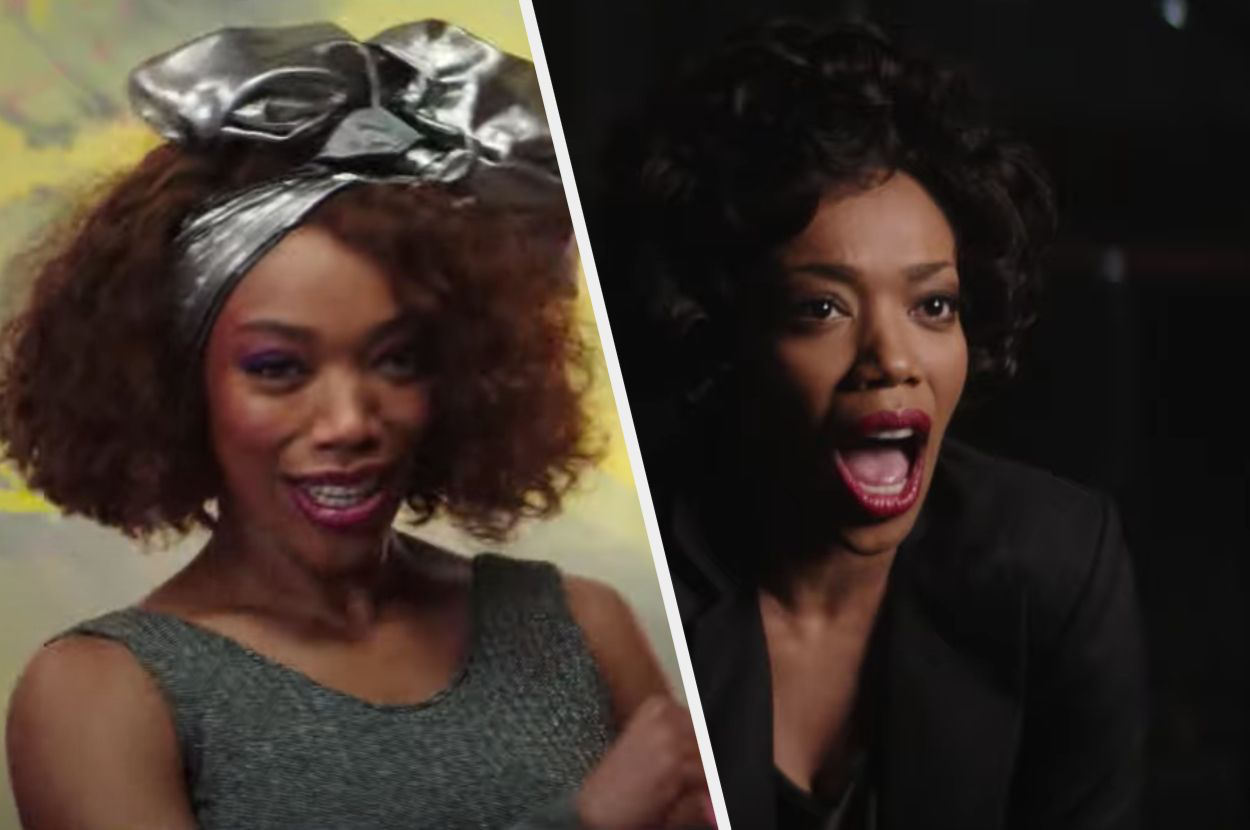
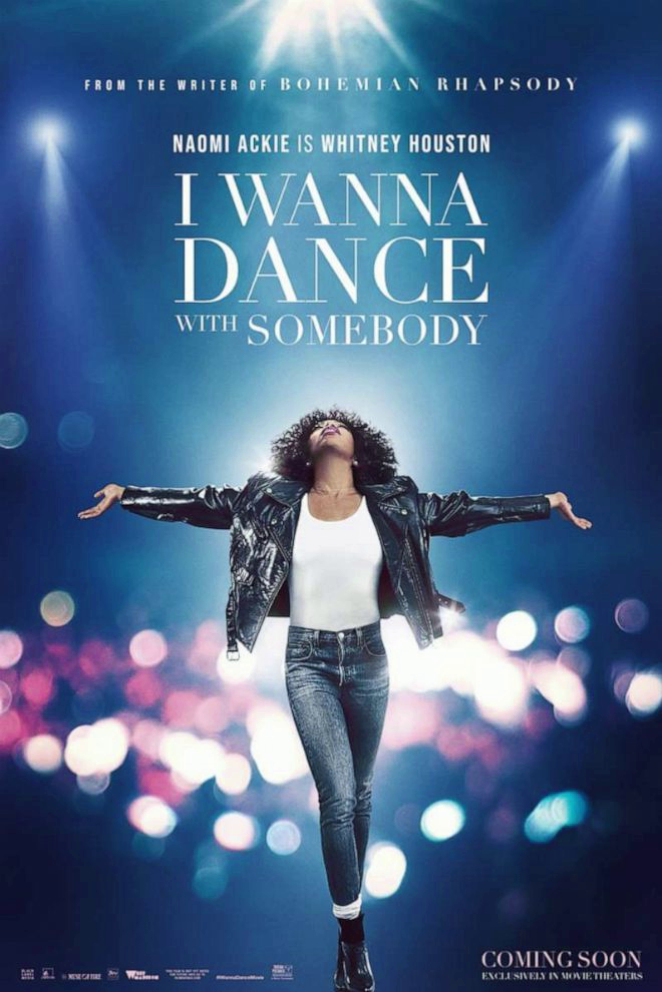
Then there is the movie, I Wanna Dance With Somebody that was released on the 23rd of this month. With Naomi Ackie starring as the iconic singer, the cast of accomplished actors unfortunately waste their talent on this film that nobody asked for–and few are looking forward to. 

I will be apart of the majority, who will ignore this film. For one, I am a fan, secondly, I would have been interested in a film about the star if we had a reprieve from cinematic spectacles of her life. However, before I can even began to miss the star, there is yet another film popping up about her tragic life. 

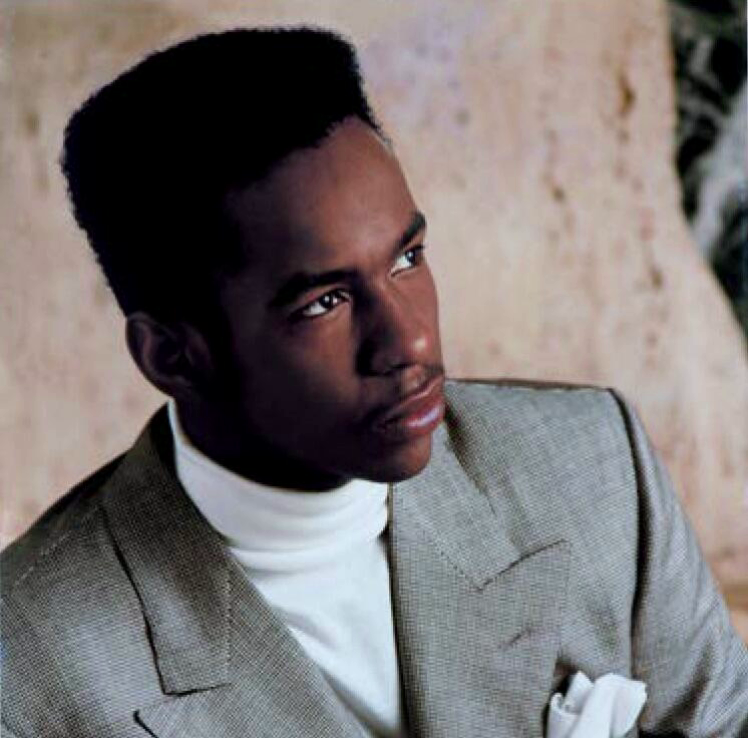
I understand Bobby Brown is not her widower and can’t come to her aide, withstanding, someone truly needs to defend Whitney Houston against the bevy of stories being told in her passing. Not even her family is shielding her; my guess is because they are too distracted with cashing those six-figure checks. 

In honor of Houston’s forty-eight years lived, here is my list of reasons why I won’t be going to see, I Wanna Dance With Somebody:

48. We’re expecting good weather this weekend

47. It’s not worth the drive

46. My Netflix tbr is out of control

45. I have three more books to finish in 2022

44. My mom is cooking … anything

43. I have one last present to open

42. I have my pinky-nail finger to fix

41. I have to wash my hair

40. I have an important phone call to make

39. The theater is always crowded and filthy

38. I have to catch up on emails

37. I have to clean my car

36. I have to reorganize my home library

35. I’ve heard the story too many times already

34. Black Panther is playing

33. I have New Year’s plans to do… anything else

32. I rather watch Beauty on Netflix

31. I don’t want to end 2022 like that

30. Reading Whitney Houston’s album booklets are more entertaining

29. It’s not worth the $10 bucket of popcorn

28. It won’t highlight her friendships with other singers

27. ​​Nobody I know is interested in going to see it either

26. IndieWire said, “Ackie’s take on Houston would’ve been a wonderful character if this movie were as interested in the singer as it is in her songs.”

25. I can think of a thousand other ways to spend 2:26 hrs

24. I don’t know the director’s work

23. Seeing the movie will not justify the experience I’ll endure with the cashier 

22. Whitney’s spirit wouldn’t approve 

21. I’ve fallen behind on the Chippendale’s series on Hulu

20. I know the ending

19. I’m saving 90s nostalgic movies for later 

18. Stanley Tucci’s talent deserves better 

17. I have a $4.00 Amazon credit for a digital purchase

16. RogerEbert.com panned it

15. Crack is wack

14. I am a Whitney Houston fan

13.  I’m not interested in any of the performances

12. I rather watch Whitney’s live concerts 

11. The alleged diva battle between Houston and Mariah Carey [most likely] didn’t make the cut

10. Whitney Houston’s songs is an entire mood (that I’m not in right now)

9. I’m not ready to revisit her life of drug addiction and heartbreak

8. The love triangle is unbelievable

7. The Diane Sawyer interview with the legend is more entertaining

6. I hate musicals (and this sounds like a bad one)

5. It won’t bring back The Voice

4. I don’t want to see an actress lip sync Whitney Houston

3. The actor playing Bobby Brown is talented but I doubt he can pull that off

2. I only want to see a biopic about pre-2000s, Whitney

1. The lead actress looks nothing like Nippy

How Much Self-Help Does One Need? Apparently, one More Book.

We mean well when we seek resources to improve ourselves. However, the self-help genre has become something of an obsession, encouraging people to remain in a perpetual state of self-improvement. In a post COVID society, this genre has exploited knowing that people are spending more time at home.

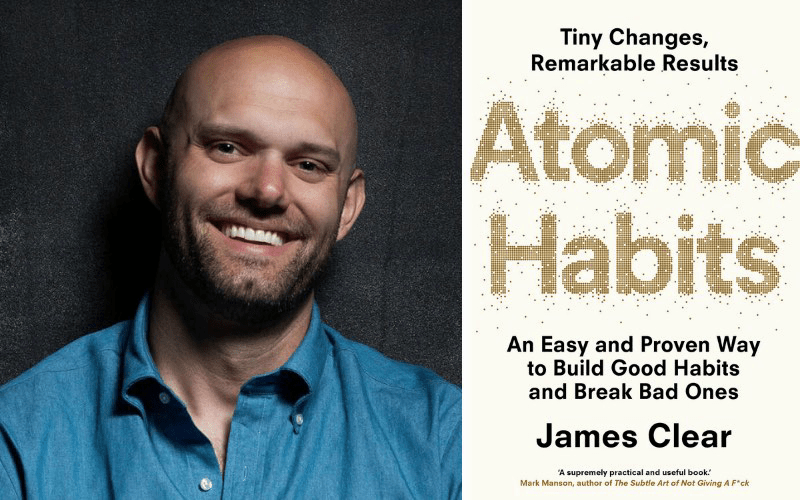
There has been one book, with a chokehold on The NY Times bestseller list, Atomic Habits. It has spent 152 weeks on the NYT bestseller list. Normally, I don’t succumb to the hype, but for the sake of my future self, I did in this instance.

Atomic Habits is a five hour, audiobook, narrated by the author, James Clear that starts with his personal journey of learning the benefits of habitual behavior. This book started off strong and engaging, however, there is not enough here to recommend it. The idea of forming good habits–that can lead to a fulfilling life–is a profound one initially, until the author uses repetitive rhetoric to stretch a three-page, blog post into a published book.

James Clear talks about how he started this idea–as a blog–that became so popular he was offered a publishing contract. I am not familiar with the blog, but you might want to check that out [if it is still available] before you spend your money on this book.
Atomic Habits is not a complete waste of your time; there are stories about athletes and prominent figures that are fascinating to read. However, around the thirty percent mark, learning how habitual behavior can be a life-changing event, becomes a dull way to spend five hours.

I borrowed this audiobook from my library so, no money lost and no one got hurt. I strongly urge you to do the same before wasting money that could have gone to your favorite latte or deli sandwich.

What She Said Says About Male Toxicity In A Male Dominated Industry

Some of us may be over the #MeToo stories that have dominated the media headlines, theaters, and small screens in the past few years but, if you think She Said is just another one of those movies–you are wrong. She Said diverts viewers’ attention away from the typical #MeToo narratives, that have predictable and vindicating endings, while still satisfying audiences with journalistic and legal acumen.

In the first ten minutes, viewers are thrust into a salacious phone call with Donald Trump, in quintessential fashion, behaving as a man–who became a monster as a result of never being told no. The phone call does a superb job of setting the tone of the film; a film, centered around journalism, that movie-goers might mistakenly assume is dull. Before that assumption is settled, they will realize this is not your grandmother’s, ‘Men in Suits, Behaving Badly,’ movie.

This film is intense and enthralling from the opening credits. With a running time of two hours and nine minutes, it covers a lot while being absent of just as much. Where Bombshell (2019) missed the mark in its portrayal of the Roger Aisles sexual harassment infestation at Fox News, She Said tells the story of women who endured a bully, whose influence and power terrorized them with no refuge–in spite of payouts and NDAs that worked like guns with silencers–killing careers with every target they captured.

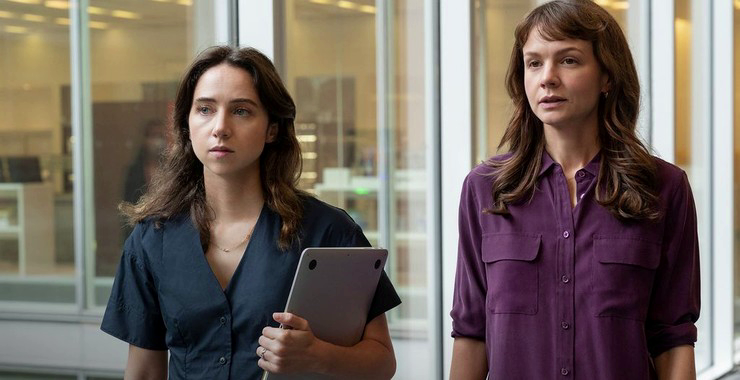
The two journalists who worked on this story for The Times, Megan Twohey and Jodi Kantor, played by Carey Mulligan and Zoe Kazan, respectively, were a great exposition into capable women, working together, to get to the root of corporate pathogens. They were fearless and loyal to their vulnerable sources.

The task was not easy considering Weinstein used his legal muscle to kill any negative story about him, before some audacious journalist thought of a provocative tweet to draw attention to it.

We never see Harvey Weinstein’s face, only the back of his head, when he enters The Times conference room. The corrupt, film mogul is played by Mike Houston. We do get to hear Weinstein’s menacing voice, as played by Houston, in phone calls between Weinstein, his lawyers, and The Times.

There are some familiar faces and voices in this film to aid in the authenticity of Hollywood and the abuse women were subjected to by Harvey Weinstein. One familiar face is Ashley Judd, who delivers a sensational cameo performance. I’m curious if she wrote her lines: they were clickbaity, personal, and poignant. Her cautionary tale does put a lens on how Weinstein picks his victims: usually up and coming actresses and young women in the business, maybe desperate, and lack power and influence.

Ashley Judd’s video call with Jodi was enthralling. Comparisons to Donald Trump’s reception vs. her own, for perceived vulgar language and/or behavior used, was appalling. Judd lost her Copperfit sponsorship and had to scale back promo for the film, Big Stone Gap (2014) because of the backlash she got for reading the poem, Nasty Woman, at a rally. On the contrary, Trump was elected president in spite numerous allegations of sexual assault and misconduct, and recordings of his abusive language and behavior towards women. The juxtaposition of women using what is perceived as vulgar rhetoric and the former president using it colloquially, touches on the gender politics issue we have today.

Which brings me to the question of, how could this behavior go on for so long in Hollywood with no repercussions? “Who are the enablers?,” is the question, Patricia Clarkson’s character asked. She didn’t just ask it in a passive way. The film spent a great length of time showing you who the enablers were. However, his brother and other board members were let off the hook generously in this portrayal.

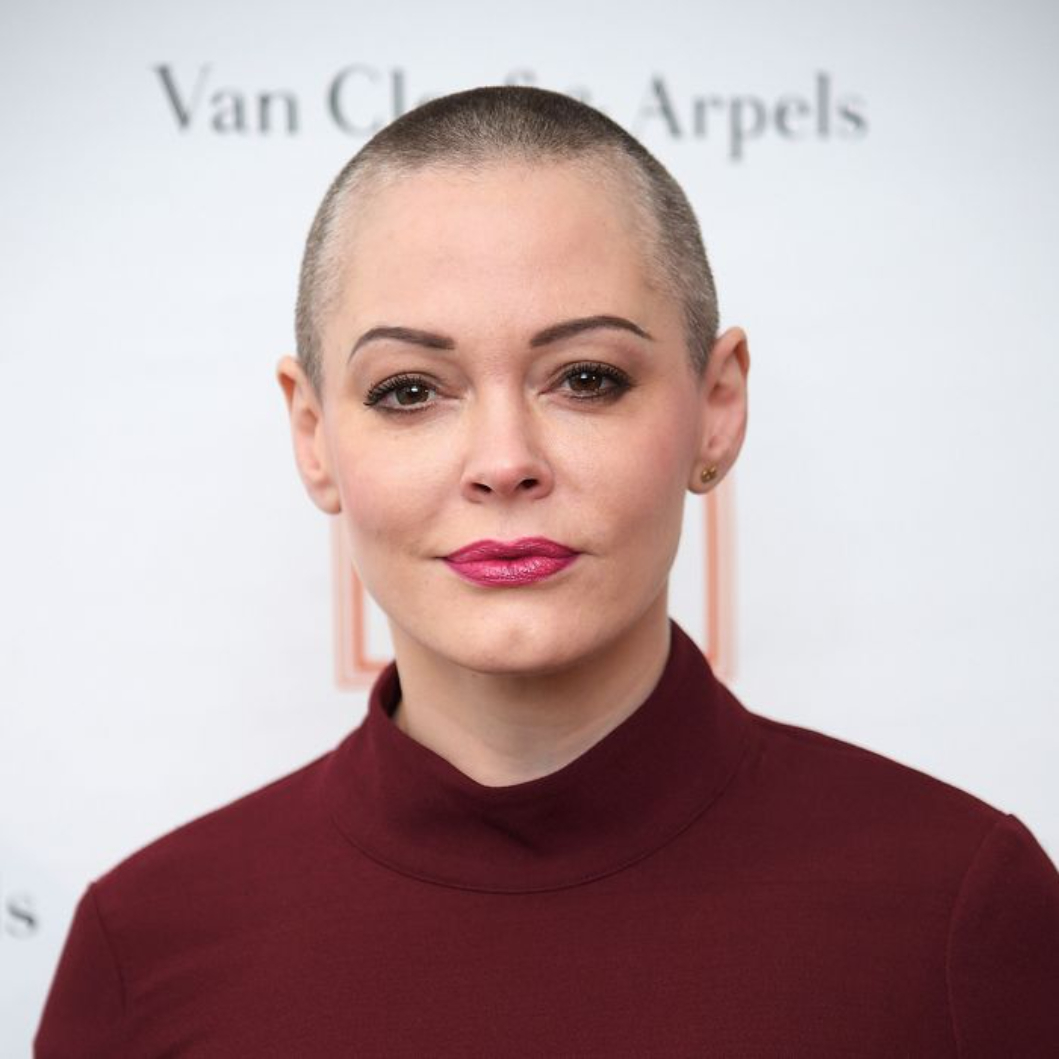
Rose McGowan, another one of Weinstein’s survivors, unfortunately came off like a bitter teenager who aged out of Hollywood, reluctantly. I regret my perception of her, but her phone interviews were always confrontational and contentious. In all of her scenes, which were phone calls, she appeared the defensive and wronged actress, lashing out at and misdirecting to undeserving parties; it may be to pacify anger and/or guilt but I think her talent would have been better spent in other ways.

McGowan’s age in the alleged rape is notable. Most of Weinstein’s survivors were younger than forty years old at the time of the incident. This again goes to the calculated victim selection that the convicted rapist used. A young actress in her early twenties, or financially anemic, make an easier prey to manipulate into silence.

It was not just the survivors who felt pressure to submit to silencing but, The Times also brought up legalistic bullying, that they felt Weinstein’s legal team used to provoke them to drop the investigative story. This tactic did work for them in the past, including with government agencies and bureaucrats, adding to Weinstein’s untouchable confidence in continuing with his abhorrent behavior. Whether his legal team did or not engage in legalistic bullying, ostensibly, the tactic failed.

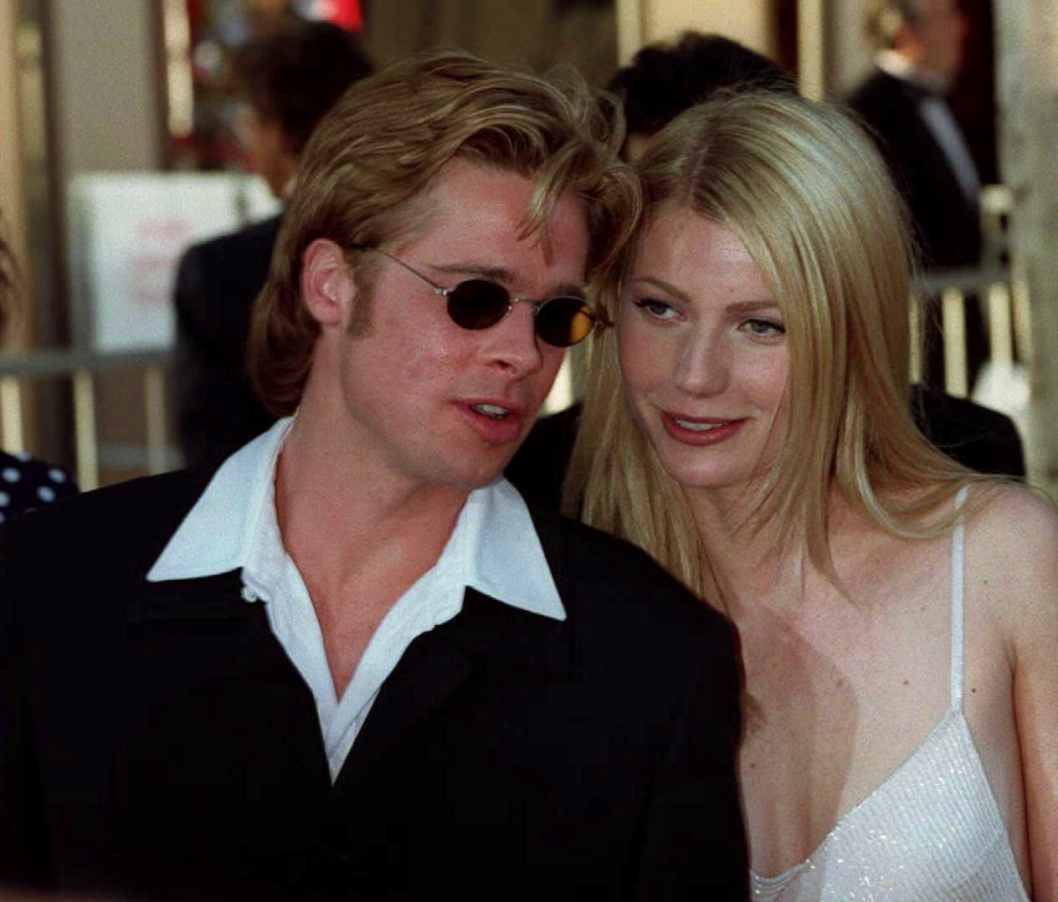
And the cherry on top of this stellar cast, and direction from Maria Schrader, is Brad Pitt as one of the producers, with his Plan B production, hence the reference to his former girlfriend, Gwyneth Paltrow. The Academy-Award, winning actress offered nothing but a namedropping narrative. Although, the Gwyneth Paltrow reference gets annoying after the second mention, it’s worth tolerating for the rest of the film.

In a society where we desperately need to see the bad guy get what he deserves, the ending is satisfying and predictable since the true story continues to unfold with facts and repercussions being updated [in real life] on a perpetual basis.

Junkie 4 A Story

Life comes to a halt for a good story

Skip to content ↓