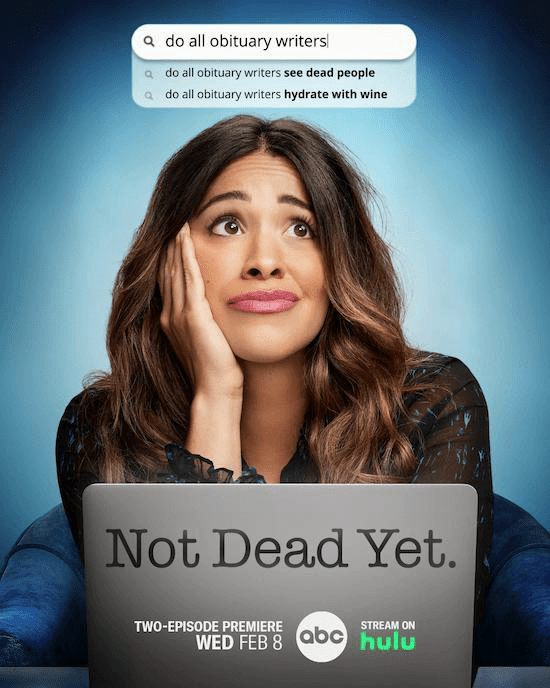
Nia Long Redeems Her Thriller Performance With The Film, Missing

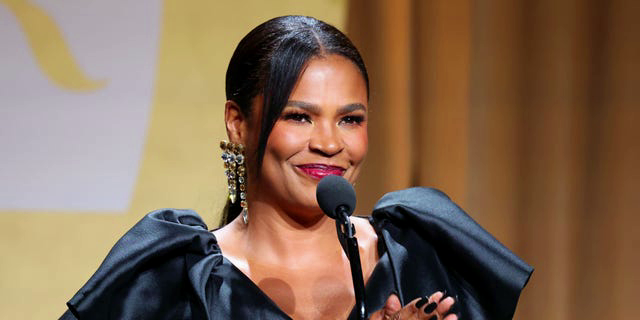
Nia Long made a few attempts in the thriller arena, but one that stands out, for no good reason is, The Fatal Affair. Released in 2020 on Netflix, Long played Ellie Warren, a mother and wife who gets into a dangerous affair, with an old friend from college, played by Omar Epps. Epps was the only good performance in this forgettable film. It was nice to see a Black woman be at the center of a thriller plot, however, she wasn’t convincing as a woman scared for hers’ and her family’s lives. From that performance, I surmised that thrillers aren’t her strong suit.

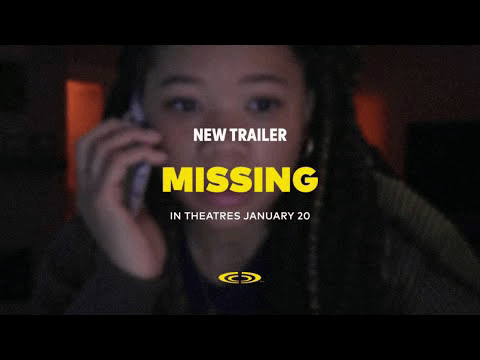
Then came Missing. It could be the directors, Nicholas D. Johnson and William Merrick; or the chemistry and trust the actors had with one another; or the script, written by William Merrick, Nicholas D. Johnson, and Sev Ohanian. Something was different that caused Nia Long’s performance to be superior in this thriller.

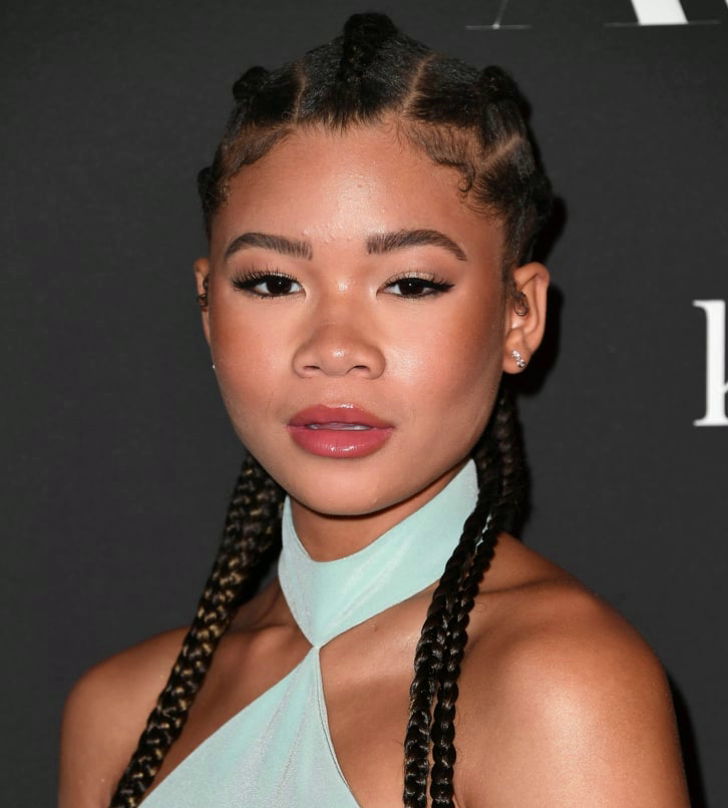
Nia Long plays Grace, a single mother of a teenage daughter, played by Storm Reid, who has been dating a new guy for a few months, when they decide to go on a romantic getaway to Columbia.

This thriller is different because it relies on social media, technology, and devices to move the plot and slowly solve the mystery in the story. From the beginning, you learn that Grace (Nia Long) left Texas to start anew in LA with her daughter. Everything is going fine except on the romantic front. So like any single woman, she finds her solution on a dating app.

Her daughter, June (Storm Reid) isn’t ready to place her mom’s new boyfriend in the role of stepfather, but not because he isn’t making any effort. June is a typical teenager: doesn’t listen to her mom, stays on her phone all day, ignores responsibilities to party and such. But when her mom doesn’t show up at the airport, from her trip to Columbia, June switches from irresponsible teenager to capable young lady–determined to find out what happened and steer the investigation in the search for her mom.

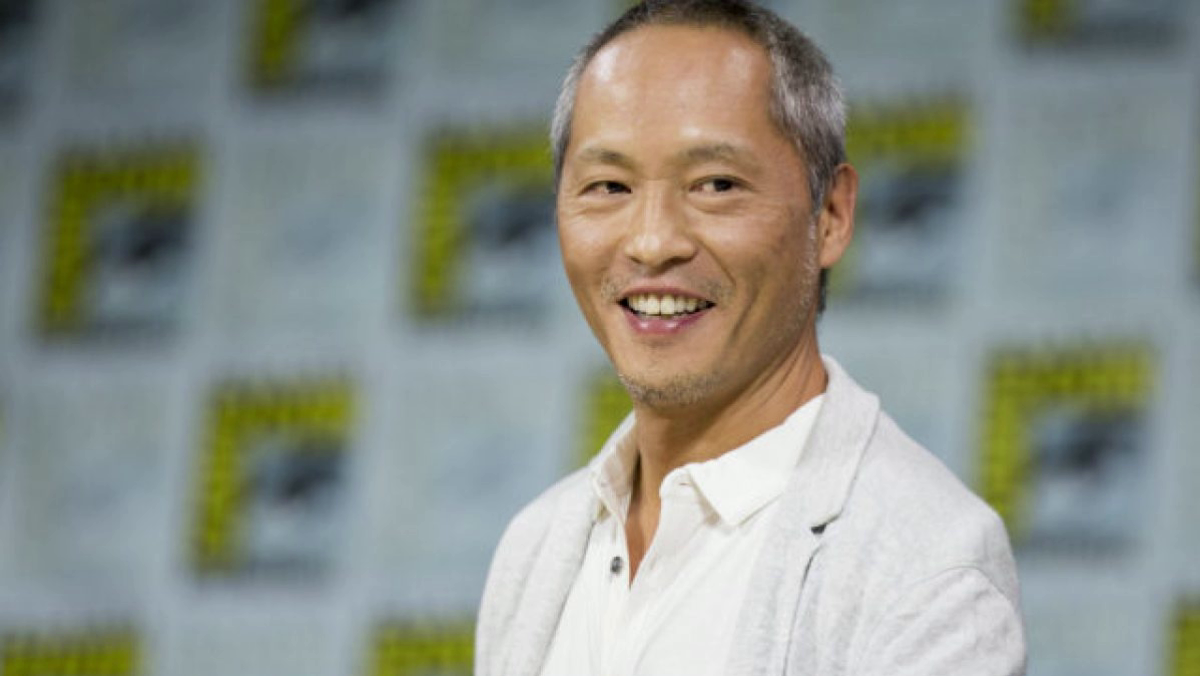
The mother/daughter relationship is great to see, especially since this doesn’t usually get developed in a thriller/mystery. The one area of opportunity would be the character of Kevin, played by Ken Leung. We know so little about him, which makes him a great suspect when Grace disappears. However, when all the loose ends get tied up, it seems this may have been one they forgot to get back to.

Otherwise, this is a solid film that uses devices in a way that didn’t dominate the story or overshadow the actors performances, but was innovative in how clever it enabled and perpetuated the plot. The entire cast gave a great performance and this film will most likely be one aspiring filmmakers study in years to come.

In an interview, when promoting The Fatal Affair, Nia Long mentioned how she never got to play “scared” and that is why she chose that project. I would argue she still hadn’t played scared based on that performance. However, I am glad to say, on behalf of filmmakers everywhere (because, my opinion matters, lol) we will now see you Ms. Long, for future thriller film projects.

Maybe Rian Johnson’s Glass Onion Is Trying To Tell Us Something

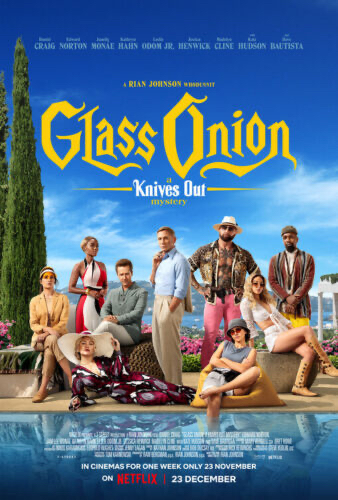
The second installment in the Knives Out series, Glass Onion was not on my immediate list of movies to watch when it debuted on Netflix, December 23, 2022. The previews never compelled me to rush to open my Netflix channel. It could be the bevy of celebrities the streaming service tried to sell its subscribers on. That was a big mistake, considering the audience that liked the first movie, weren’t there for the A-list cast, instead the clever storytelling and Agatha Christie-esque mystery. None the less, I succumbed to fomo and excessive previews being shown, telling me I should like this, and decided to give it a watch.

I thought this Knives Out Mystery would not be as good as the first, which was loyal to its genre. However, from the first five minutes, I found myself immersed in the murder mystery that ensued.

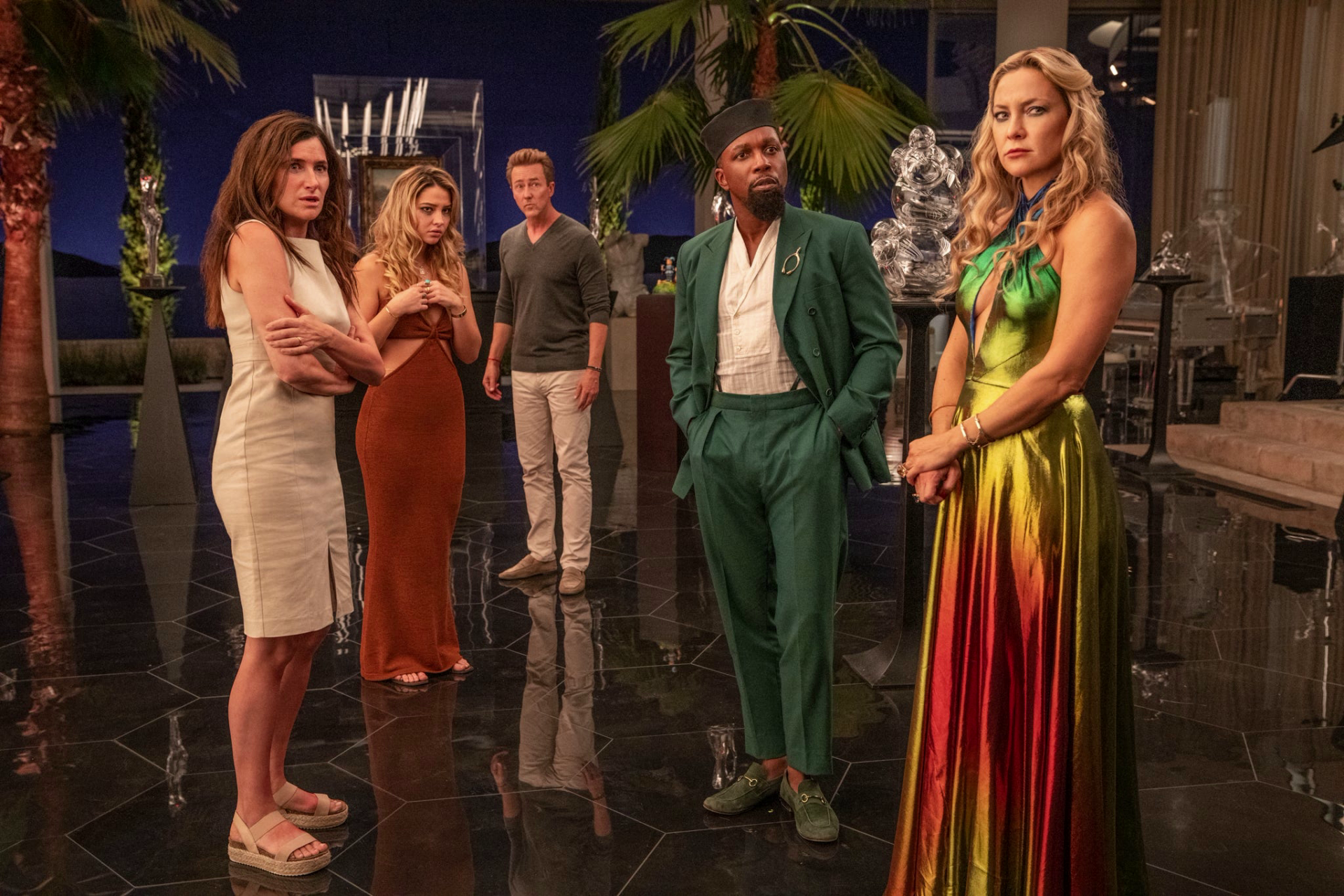
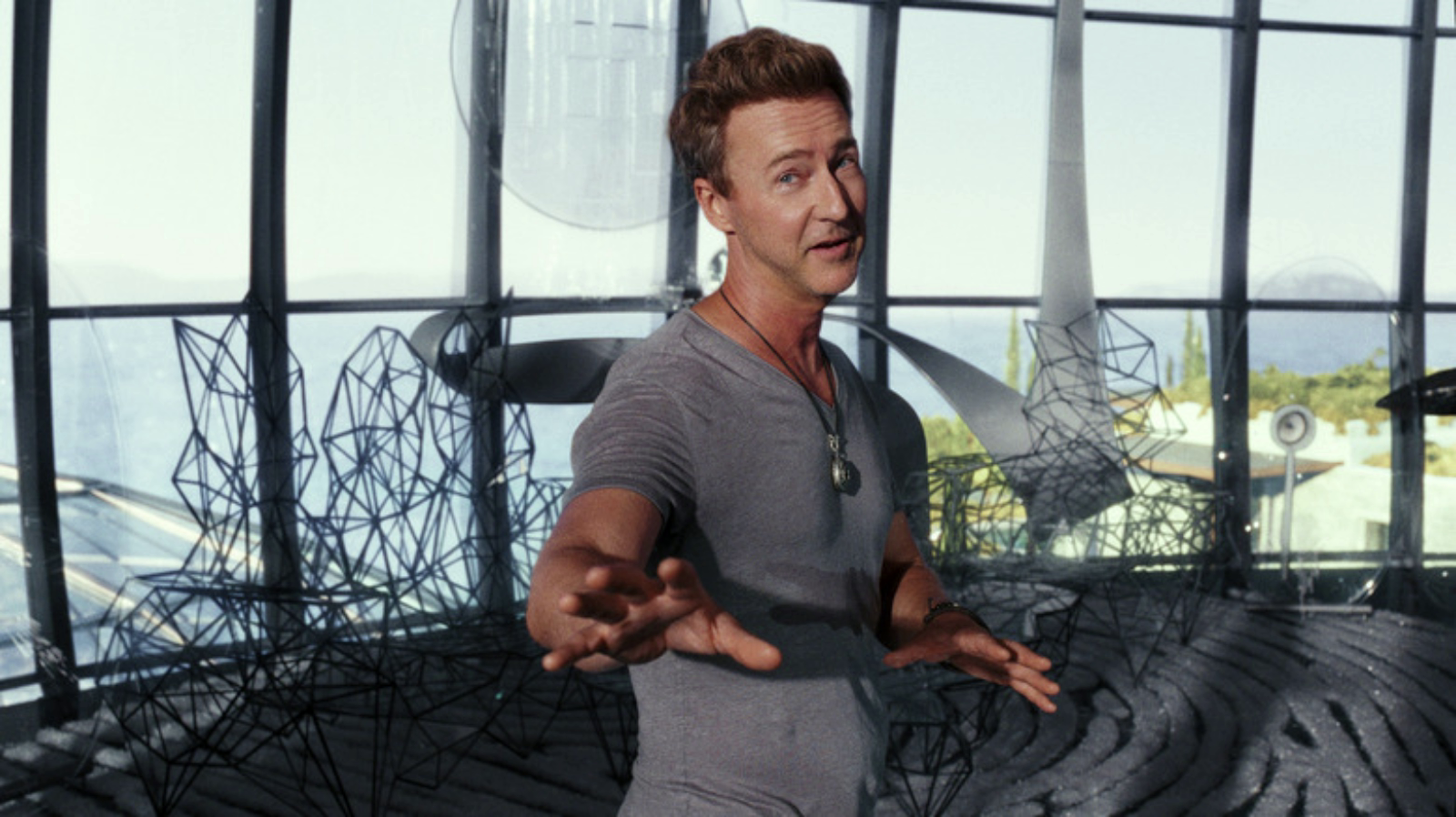
At the helm of this plot is Edward Norton’s character, Miles Bron, a tech billionaire who lures a group of friends, to his pretentious mansion on a secluded island, for some murder mystery shenanigans. This is not the only conspicuous metaphor traipsing through Rian Johnson’s movie.

The story unfolds in two-hours and nineteen minutes. By the midpoint, you start to wonder what else is left to warrant another hour of filming. Much like the glass mansion, there are layers and layers to this story–like an onion–that keeps peeling, as if it is missing a center.

The film starts by poking fun at the early stages of the 2020 pandemic. Celebrities and influencers are reinventing themselves in at-home settings, trying to disguise the mundaneness of their existence with hilarity.

Miles claims that he sent out five invitations, through a parcel delivery service. However, the successful detective, Benoit Blanc also arrives for the festivities. Daniel Craig returns in this role but his performance is almost overshadowed by the esteemed supporting cast. I’m not sure if his accent increased an octave this time around, but he is bordering on a caricature of his previous performance.

At times, it feels like a soap opera, making me question the two-hour melodrama. Then Rian Johnson, as if he can hear my complaints, accelerates the plot, sensing a drifting audience.

The disrupters, aka shitheads, are the celebrities we love and hate. They have ostentatious accents, vocabularies, and wardrobes. They make the evaporating, American, middle-class feel like peasants, incapable of catching crumbs. They use words like embrethiate (Google is laughing at you for searching this word) and reclamation only to remind us simpletons that their parents afforded them ivy-league educations.

The old saying about people who live in glass houses thematically inserts itself implicitly and explicitly in the mystery of who killed Cassandra Brand among other questionable behavior committed by the group. When Miles states, “I want to be responsible for something that gets mentioned in the same breath as the Mona Lisa, forever,” it’s not the first time you’ll resist the urge to slap him.

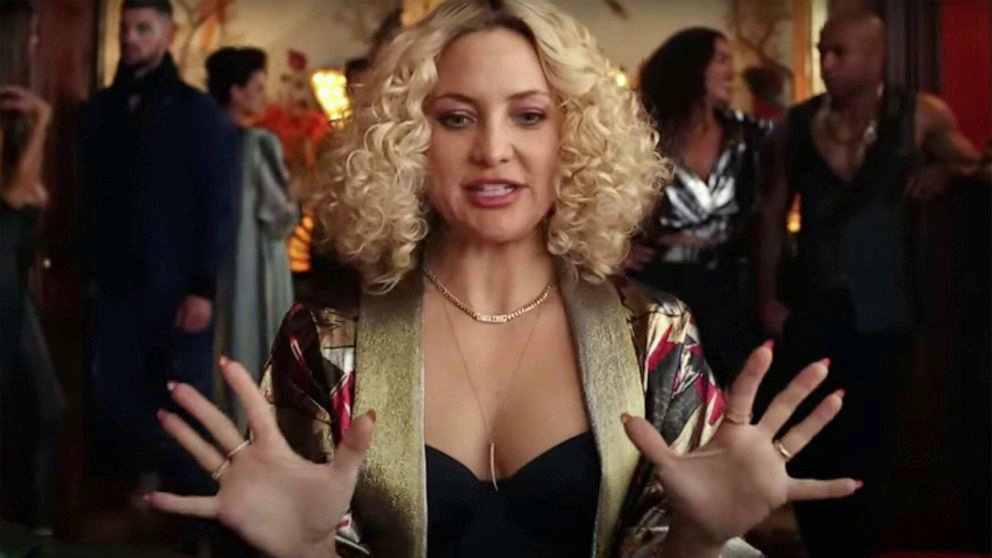
This whodunnit makes fun of celebrities in the most delectable way. The irony of Kate Hudson playing a washed-up model turned clothing designer, who had a sweat-shop scandal, was not lost on me. And when Birdie Jay’s assistant says, “we will do what we always do: deny, half-apologize, and then go silent,” it was a comical and honest account of celebrity fuckups in the social media era.

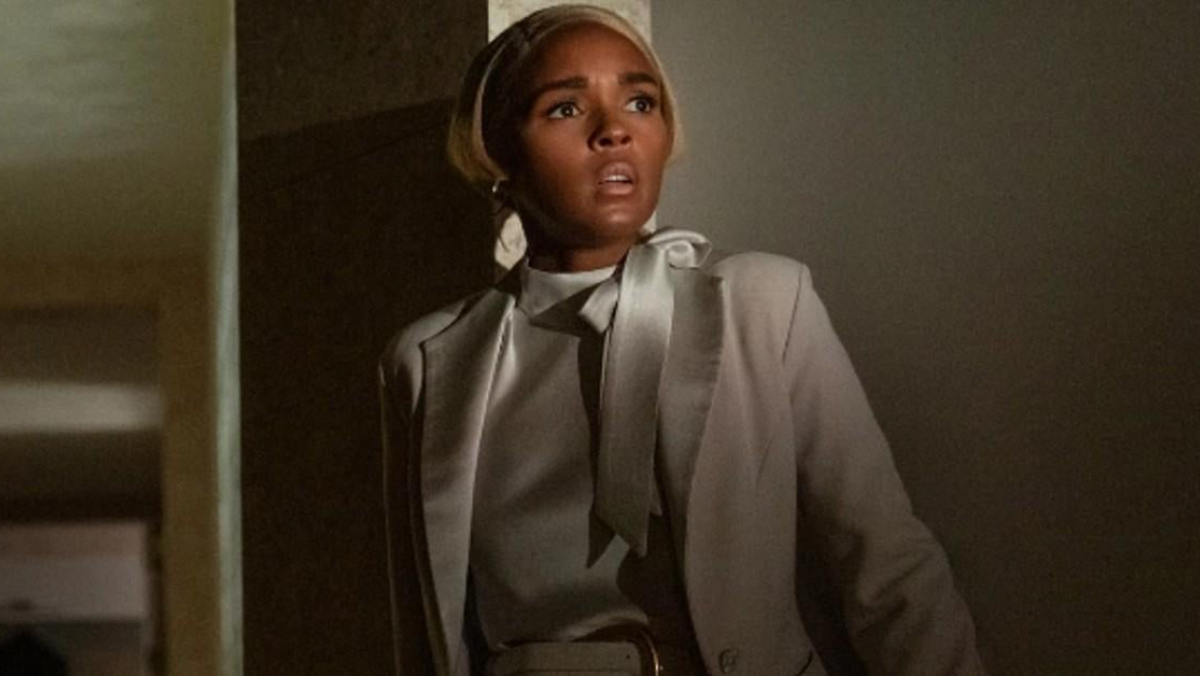
Janelle Monae gets extra points for playing dual roles with accents. Her characters were well developed. I even forgave her for the times when her accents got meshed up in between characters.

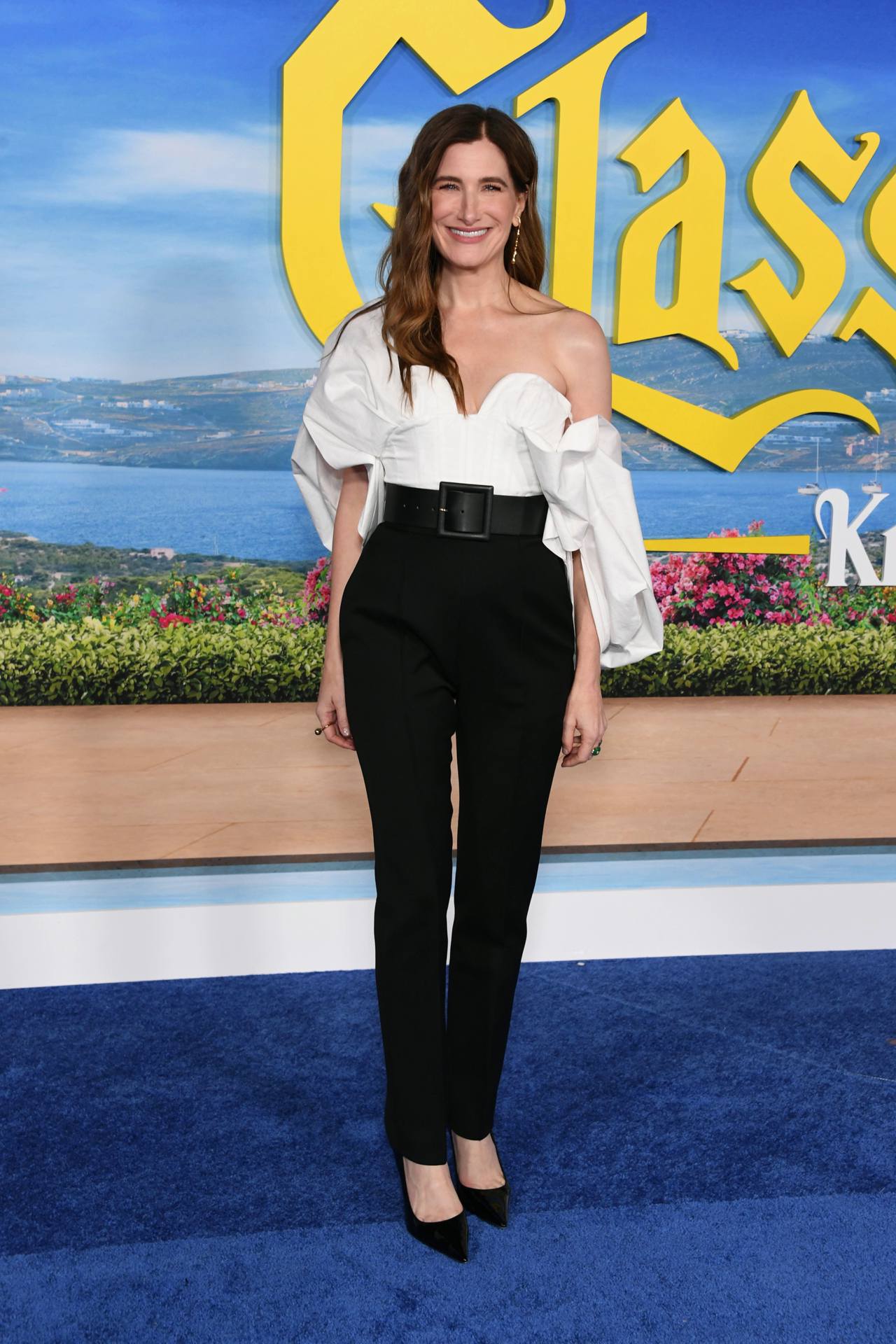
Kathryn Hahn, on the other hand, is a talented actress who doesn’t use her muscle as much for this role, which is disappointing. One could argue that playing a politician is to blame for her forgettable performance. I would entertain that argument however, it’s Kathryn Hahn. She can make a story about a white shoelace interesting.

This film would have been a superior success if Rian Johnson had not gone the Martin Scorsese school of filmmaking route. The more than two-hour running time did hurt this story, making the ending not as impactful. Still, it is a great follow up and worth your time.

Who Is Protecting Whitney Houston’s Legacy?

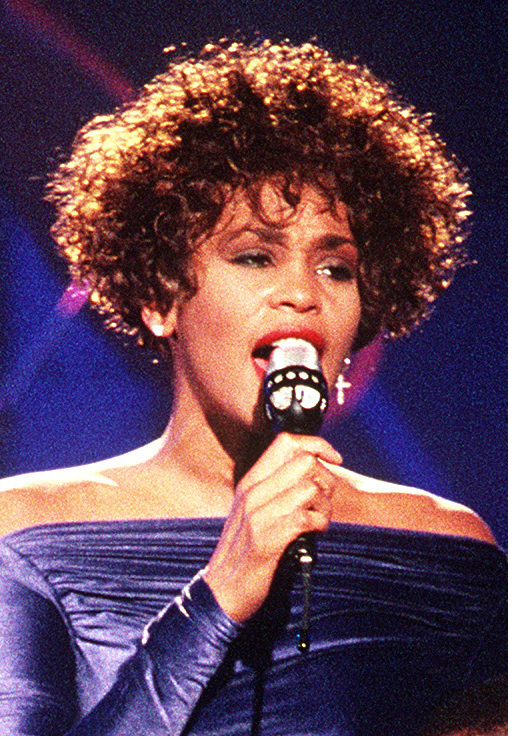
It has been ten years since we received the news that pop icon, Whitney Houston was discovered dead in a bath tub in her Beverly Hilton hotel. Since then, there have been numerous biographies, memoirs, and films about the legend that don’t hold a candle to her talent, which we were privileged to in her lifetime. With all these stories coming out in her passing, it begs the question, who’s guarding Houston’s legacy now? 

When Whitney Houston was alive, it was obvious that she guarded her privacy with intention. She did interviews, after the request became overwhelming, however, you could gauge that being in the spotlight was tiring for her. The media darling, before social media dominated everyone’s lives, was scrutinized–especially when her drug addiction could no longer be disguised. 

Still, no one came out with books or films about the icon [most likely because of their shallow loyalty to Houston] until her passing. Her good friend, Robyn Crawford published a book in 2020; another person who calls herself a friend of the legend’s, Angela Bassett directed a film, in 2015; even Whitney’s mother, Cissy Houston, wrote a book in 2013; and there is other content as well. 

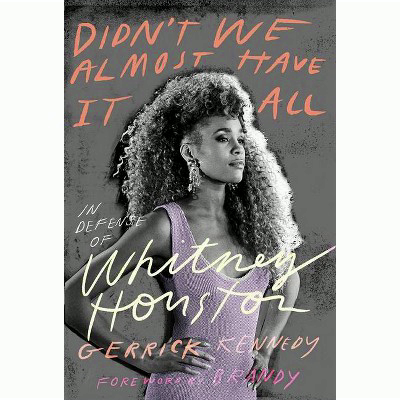
However, 2022 has been a busy year for Whitney Houston releases. There was the book, Didn’t We Almost Have It All written by Gerrick Kennedy, released in February. It got little attention, possibly because fans are bored with the same narrative that perpetuates common knowledge about the vocalist. 

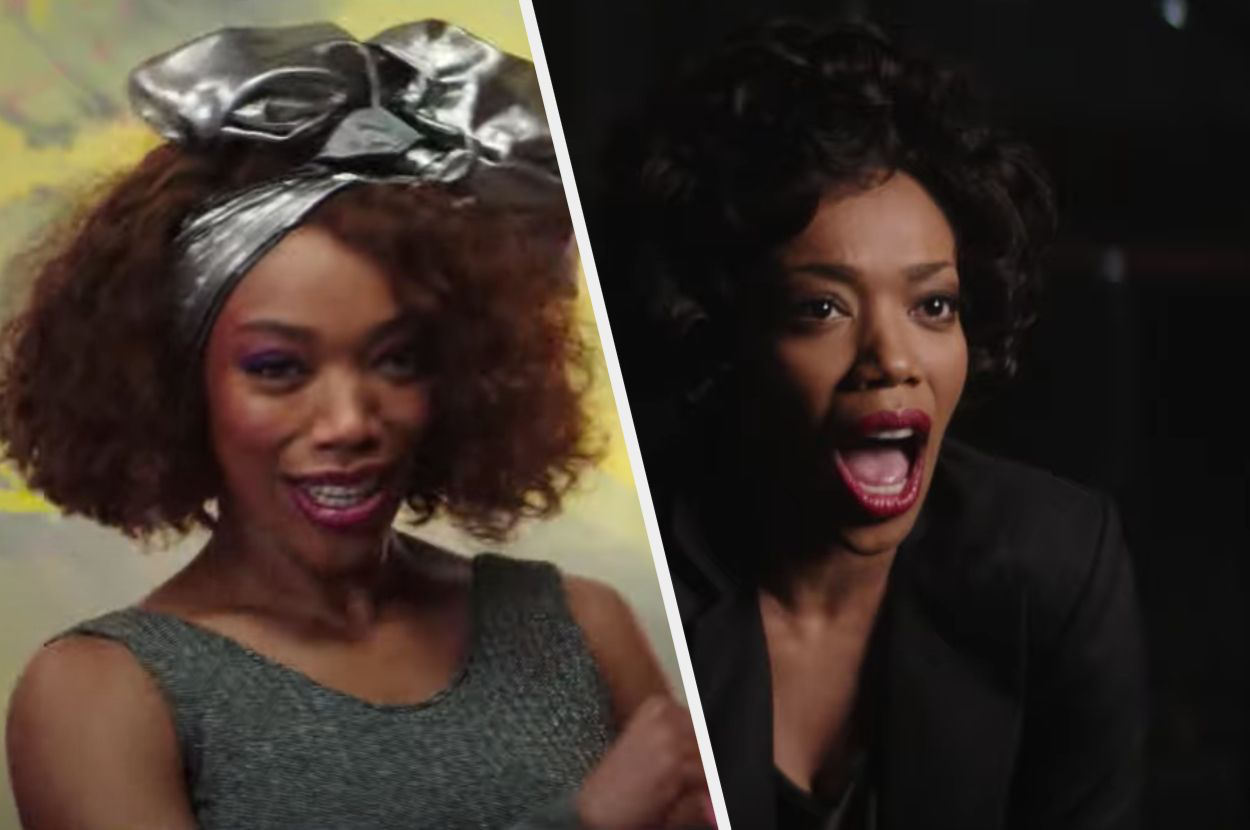
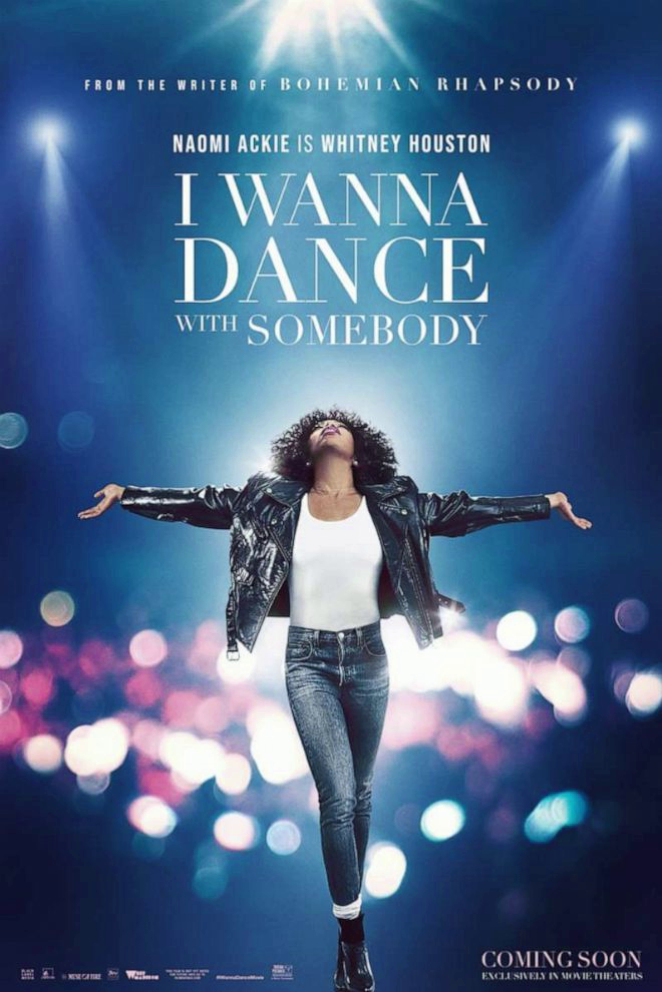
Then there is the movie, I Wanna Dance With Somebody that was released on the 23rd of this month. With Naomi Ackie starring as the iconic singer, the cast of accomplished actors unfortunately waste their talent on this film that nobody asked for–and few are looking forward to. 

I will be apart of the majority, who will ignore this film. For one, I am a fan, secondly, I would have been interested in a film about the star if we had a reprieve from cinematic spectacles of her life. However, before I can even began to miss the star, there is yet another film popping up about her tragic life. 

I understand Bobby Brown is not her widower and can’t come to her aide, withstanding, someone truly needs to defend Whitney Houston against the bevy of stories being told in her passing. Not even her family is shielding her; my guess is because they are too distracted with cashing those six-figure checks. 

In honor of Houston’s forty-eight years lived, here is my list of reasons why I won’t be going to see, I Wanna Dance With Somebody:

48. We’re expecting good weather this weekend

47. It’s not worth the drive

46. My Netflix tbr is out of control

45. I have three more books to finish in 2022

44. My mom is cooking … anything

43. I have one last present to open

42. I have my pinky-nail finger to fix

41. I have to wash my hair

40. I have an important phone call to make

39. The theater is always crowded and filthy

38. I have to catch up on emails

37. I have to clean my car

36. I have to reorganize my home library

35. I’ve heard the story too many times already

34. Black Panther is playing

33. I have New Year’s plans to do… anything else

32. I rather watch Beauty on Netflix

31. I don’t want to end 2022 like that

30. Reading Whitney Houston’s album booklets are more entertaining

29. It’s not worth the $10 bucket of popcorn

28. It won’t highlight her friendships with other singers

27. ​​Nobody I know is interested in going to see it either

26. IndieWire said, “Ackie’s take on Houston would’ve been a wonderful character if this movie were as interested in the singer as it is in her songs.”

25. I can think of a thousand other ways to spend 2:26 hrs

24. I don’t know the director’s work

23. Seeing the movie will not justify the experience I’ll endure with the cashier 

22. Whitney’s spirit wouldn’t approve 

21. I’ve fallen behind on the Chippendale’s series on Hulu

20. I know the ending

19. I’m saving 90s nostalgic movies for later 

18. Stanley Tucci’s talent deserves better 

17. I have a $4.00 Amazon credit for a digital purchase

16. RogerEbert.com panned it

15. Crack is wack

14. I am a Whitney Houston fan

13.  I’m not interested in any of the performances

12. I rather watch Whitney’s live concerts 

11. The alleged diva battle between Houston and Mariah Carey [most likely] didn’t make the cut

10. Whitney Houston’s songs is an entire mood (that I’m not in right now)

9. I’m not ready to revisit her life of drug addiction and heartbreak

8. The love triangle is unbelievable

7. The Diane Sawyer interview with the legend is more entertaining

6. I hate musicals (and this sounds like a bad one)

5. It won’t bring back The Voice

4. I don’t want to see an actress lip sync Whitney Houston

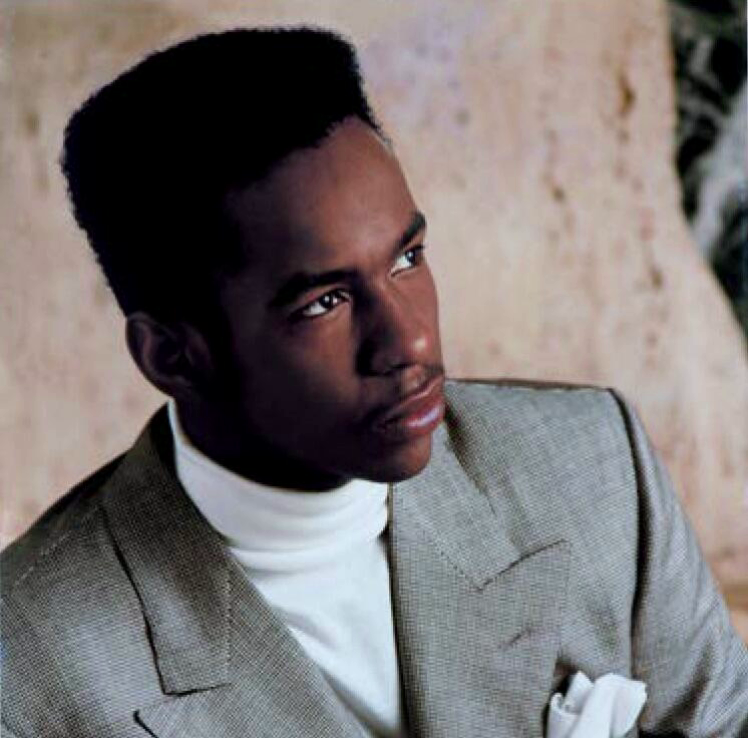
3. The actor playing Bobby Brown is talented but I doubt he can pull that off

2. I only want to see a biopic about pre-2000s, Whitney

1. The lead actress looks nothing like Nippy

How Much Self-Help Does One Need? Apparently, one More Book.

We mean well when we seek resources to improve ourselves. However, the self-help genre has become something of an obsession, encouraging people to remain in a perpetual state of self-improvement. In a post COVID society, this genre has exploited knowing that people are spending more time at home.

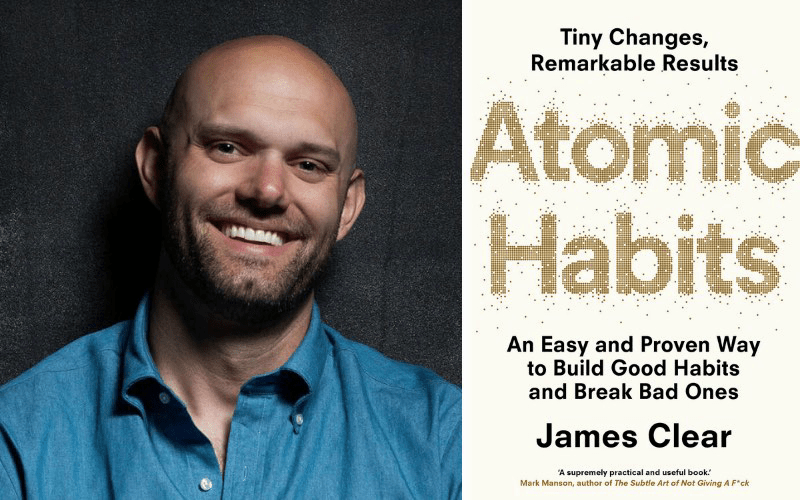
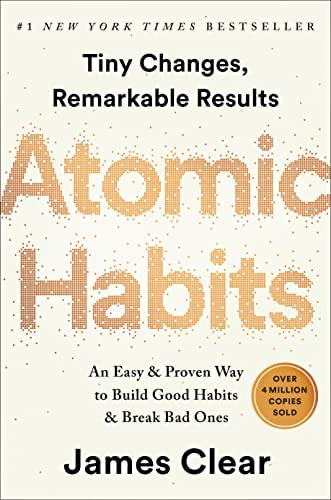
There has been one book, with a chokehold on The NY Times bestseller list, Atomic Habits. It has spent 152 weeks on the NYT bestseller list. Normally, I don’t succumb to the hype, but for the sake of my future self, I did in this instance.

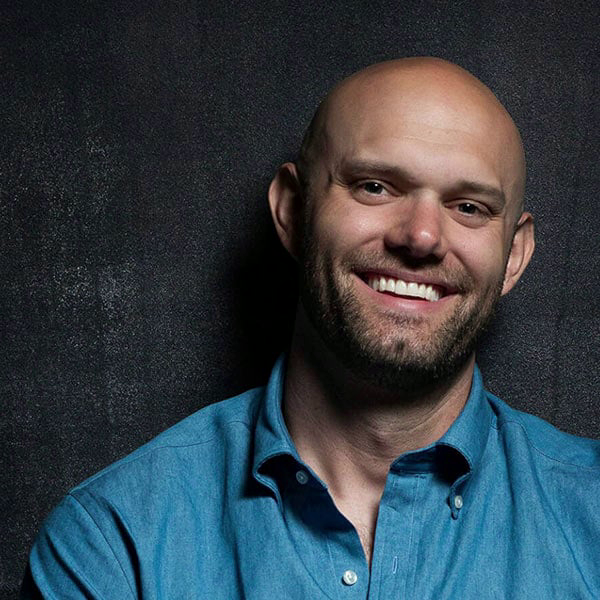
Atomic Habits is a five hour, audiobook, narrated by the author, James Clear that starts with his personal journey of learning the benefits of habitual behavior. This book started off strong and engaging, however, there is not enough here to recommend it. The idea of forming good habits–that can lead to a fulfilling life–is a profound one initially, until the author uses repetitive rhetoric to stretch a three-page, blog post into a published book.

James Clear talks about how he started this idea–as a blog–that became so popular he was offered a publishing contract. I am not familiar with the blog, but you might want to check that out [if it is still available] before you spend your money on this book.
Atomic Habits is not a complete waste of your time; there are stories about athletes and prominent figures that are fascinating to read. However, around the thirty percent mark, learning how habitual behavior can be a life-changing event, becomes a dull way to spend five hours.

I borrowed this audiobook from my library so, no money lost and no one got hurt. I strongly urge you to do the same before wasting money that could have gone to your favorite latte or deli sandwich.

What She Said Says About Male Toxicity In A Male Dominated Industry

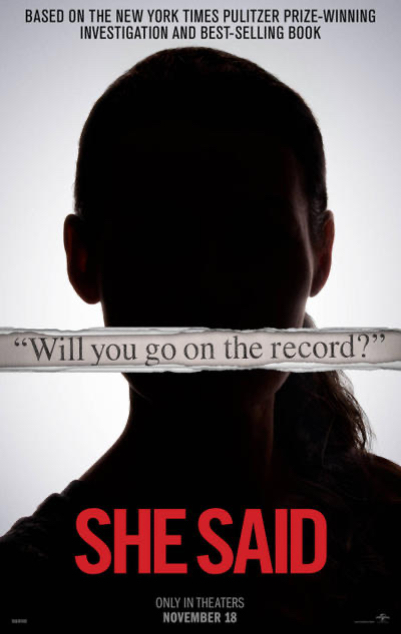
Some of us may be over the #MeToo stories that have dominated the media headlines, theaters, and small screens in the past few years but, if you think She Said is just another one of those movies–you are wrong. She Said diverts viewers’ attention away from the typical #MeToo narratives, that have predictable and vindicating endings, while still satisfying audiences with journalistic and legal acumen.

In the first ten minutes, viewers are thrust into a salacious phone call with Donald Trump, in quintessential fashion, behaving as a man–who became a monster as a result of never being told no. The phone call does a superb job of setting the tone of the film; a film, centered around journalism, that movie-goers might mistakenly assume is dull. Before that assumption is settled, they will realize this is not your grandmother’s, ‘Men in Suits, Behaving Badly,’ movie.

This film is intense and enthralling from the opening credits. With a running time of two hours and nine minutes, it covers a lot while being absent of just as much. Where Bombshell (2019) missed the mark in its portrayal of the Roger Aisles sexual harassment infestation at Fox News, She Said tells the story of women who endured a bully, whose influence and power terrorized them with no refuge–in spite of payouts and NDAs that worked like guns with silencers–killing careers with every target they captured.

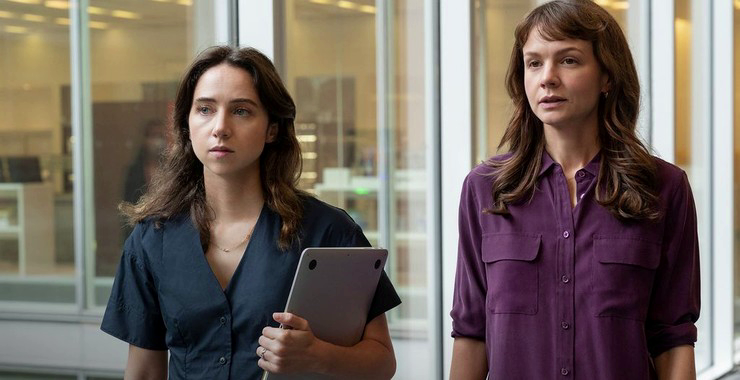
The two journalists who worked on this story for The Times, Megan Twohey and Jodi Kantor, played by Carey Mulligan and Zoe Kazan, respectively, were a great exposition into capable women, working together, to get to the root of corporate pathogens. They were fearless and loyal to their vulnerable sources.

The task was not easy considering Weinstein used his legal muscle to kill any negative story about him, before some audacious journalist thought of a provocative tweet to draw attention to it.

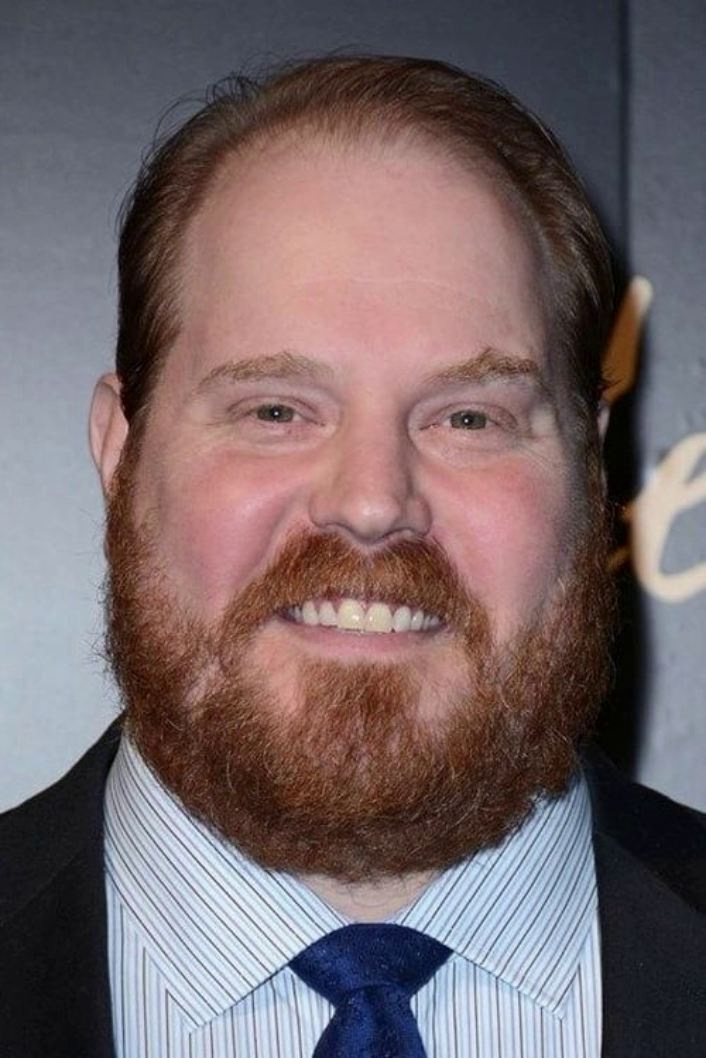
We never see Harvey Weinstein’s face, only the back of his head, when he enters The Times conference room. The corrupt, film mogul is played by Mike Houston. We do get to hear Weinstein’s menacing voice, as played by Houston, in phone calls between Weinstein, his lawyers, and The Times.

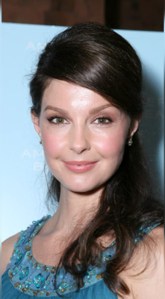
There are some familiar faces and voices in this film to aid in the authenticity of Hollywood and the abuse women were subjected to by Harvey Weinstein. One familiar face is Ashley Judd, who delivers a sensational cameo performance. I’m curious if she wrote her lines: they were clickbaity, personal, and poignant. Her cautionary tale does put a lens on how Weinstein picks his victims: usually up and coming actresses and young women in the business, maybe desperate, and lack power and influence.

Ashley Judd’s video call with Jodi was enthralling. Comparisons to Donald Trump’s reception vs. her own, for perceived vulgar language and/or behavior used, was appalling. Judd lost her Copperfit sponsorship and had to scale back promo for the film, Big Stone Gap (2014) because of the backlash she got for reading the poem, Nasty Woman, at a rally. On the contrary, Trump was elected president in spite numerous allegations of sexual assault and misconduct, and recordings of his abusive language and behavior towards women. The juxtaposition of women using what is perceived as vulgar rhetoric and the former president using it colloquially, touches on the gender politics issue we have today.

Which brings me to the question of, how could this behavior go on for so long in Hollywood with no repercussions? “Who are the enablers?,” is the question, Patricia Clarkson’s character asked. She didn’t just ask it in a passive way. The film spent a great length of time showing you who the enablers were. However, his brother and other board members were let off the hook generously in this portrayal.

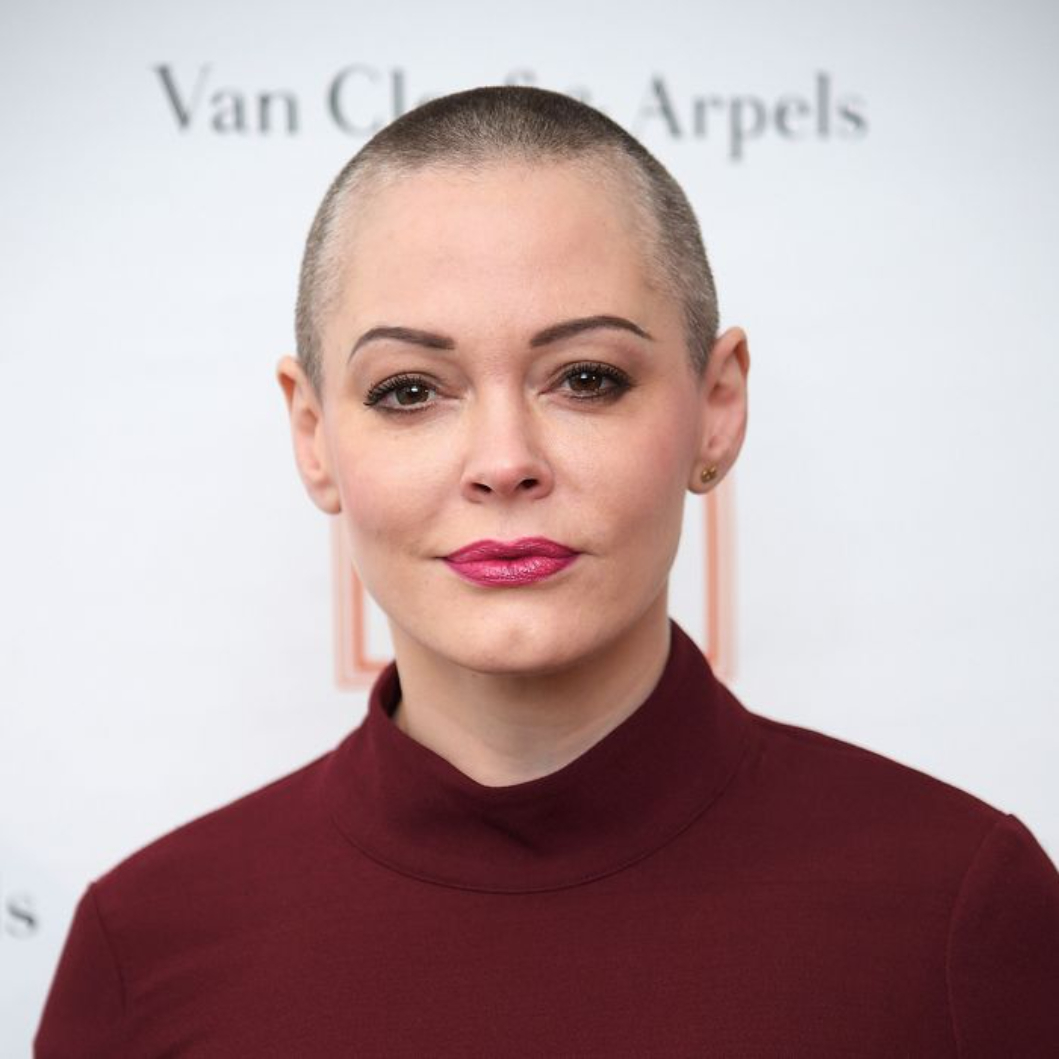
Rose McGowan, another one of Weinstein’s survivors, unfortunately came off like a bitter teenager who aged out of Hollywood, reluctantly. I regret my perception of her, but her phone interviews were always confrontational and contentious. In all of her scenes, which were phone calls, she appeared the defensive and wronged actress, lashing out at and misdirecting to undeserving parties; it may be to pacify anger and/or guilt but I think her talent would have been better spent in other ways.

McGowan’s age in the alleged rape is notable. Most of Weinstein’s survivors were younger than forty years old at the time of the incident. This again goes to the calculated victim selection that the convicted rapist used. A young actress in her early twenties, or financially anemic, make an easier prey to manipulate into silence.

It was not just the survivors who felt pressure to submit to silencing but, The Times also brought up legalistic bullying, that they felt Weinstein’s legal team used to provoke them to drop the investigative story. This tactic did work for them in the past, including with government agencies and bureaucrats, adding to Weinstein’s untouchable confidence in continuing with his abhorrent behavior. Whether his legal team did or not engage in legalistic bullying, ostensibly, the tactic failed.

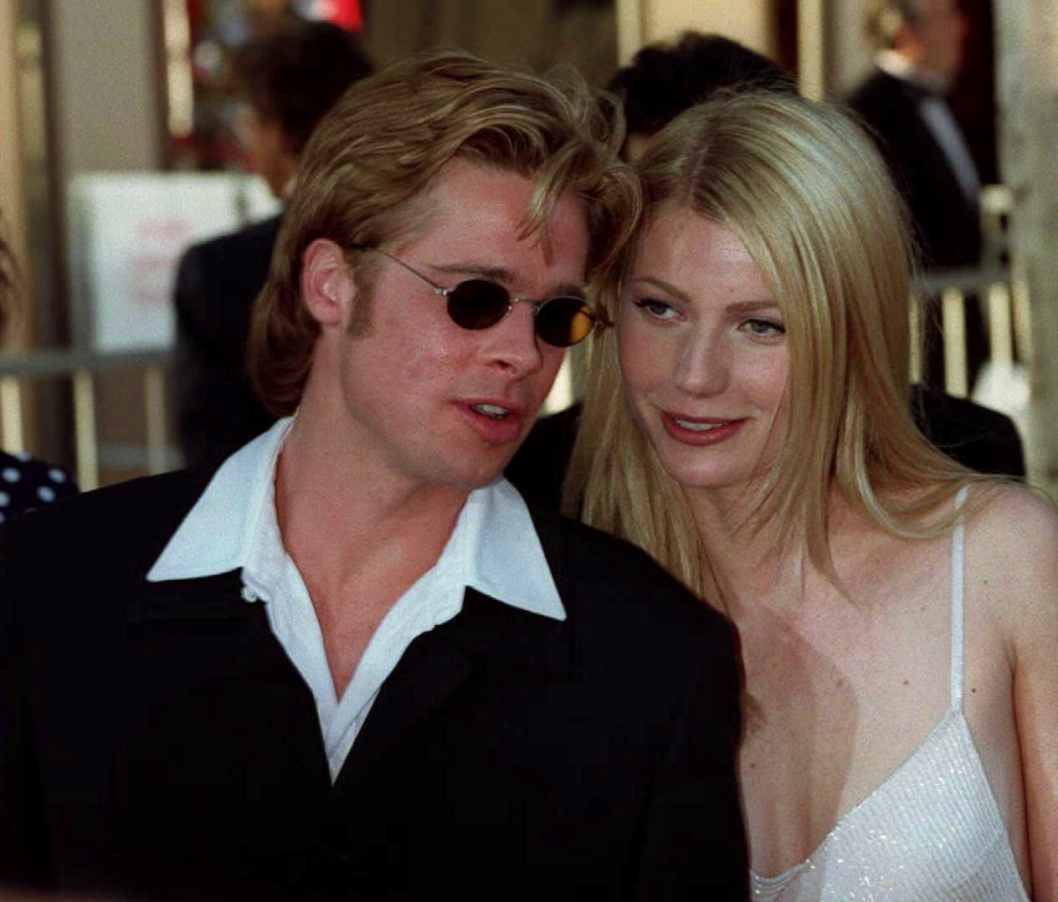
And the cherry on top of this stellar cast, and direction from Maria Schrader, is Brad Pitt as one of the producers, with his Plan B production, hence the reference to his former girlfriend, Gwyneth Paltrow. The Academy-Award, winning actress offered nothing but a namedropping narrative. Although, the Gwyneth Paltrow reference gets annoying after the second mention, it’s worth tolerating for the rest of the film.

In a society where we desperately need to see the bad guy get what he deserves, the ending is satisfying and predictable since the true story continues to unfold with facts and repercussions being updated [in real life] on a perpetual basis.

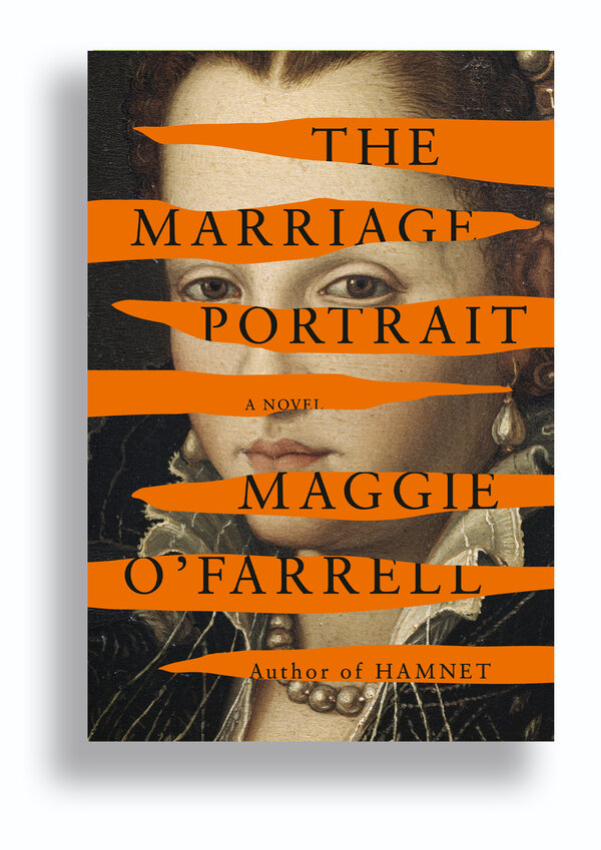
The Marriage Portrait Shines A Light On Masculine Inferiority

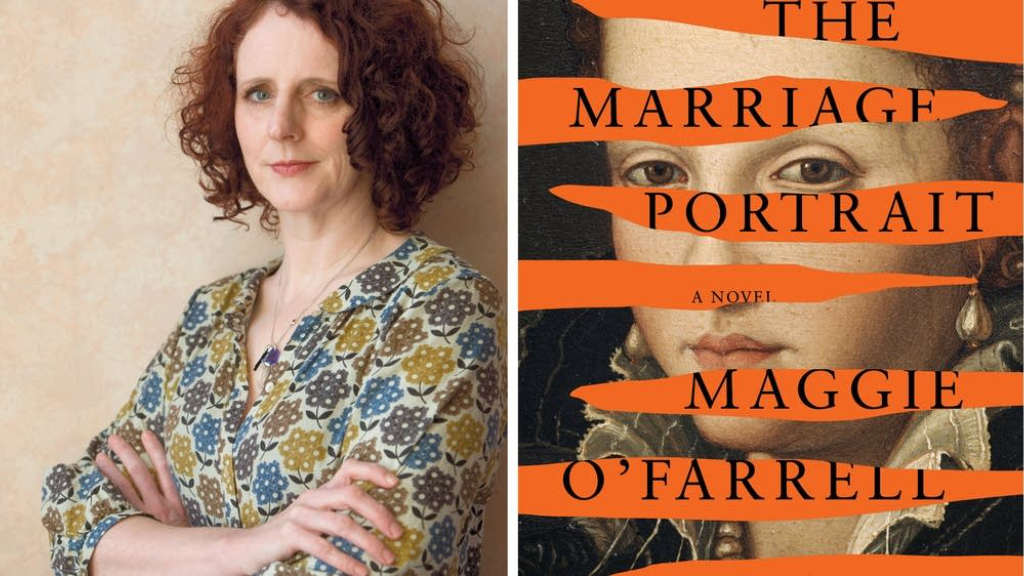
Maggie O’ Farrell’s, The Marriage Portrait has more connotations than the American alphabet has letters. It is a story about the third daughter, Lucrezia de Medici of the grand duke. She is thrust into the limelight after her sister dies suddenly on the eve of her marriage to Alfonso, the duke of Ferrara. He, with quick speed, sees Lucrezia as his perfect replacement bride. When her father expresses zero objections, her days are numbered.

Lucrezia is not receptive to the proposal and subsequent duchess title but has no say in her future. The arranged marriage, however perilous it may be, is scheduled and both families, along with the public, are elated.

Inspired by a true story, which you learn about in Maggie O’ Farrell’s author’s note; the author takes creative liberties to keep the story interesting and cohesive. It is also notable that O’ Farrell has an astute, authorial voice that intensifies the story when necessary but also keeps readers engaged–even those who don’t typically read historical fiction.

This is 1550s Florence, Italy and Lucrezia is next in line for her father to marry off. With her being the daughter of prominence, a spinster has no place in their family tree. She must succumb to her womanly duty. Reluctance aside, complying with societal norms is her obligation as well as not humiliating her father.

The Marriage Portrait is about a young woman’s identity and autonomy being strangled by patriarchy. The lack of rights for women disavows her the choice of marriage and motherhood. And how this marriage fears, will be entirely placed on her, leaving the groom with his masculinity and character intact, if it should fail.

As the story progresses, Lucrezia endures the trials and tribulations of marriage: domesticity of married life for a kept woman, increasingly loathing her husband–the more she learns about him, clashing with her in-laws, and feeling stifled by the so called “happily ever after” that society duress women to aspire to.

The pressure to produce heirs, to continue the Ferranese dynasty, is severe; the hint of who is incapable comes belated to this young bride.

The Duke of Ferrara, Alfonso presents himself as a nobleman. Their initial meetings go well. His secret has managed to be concealed from Lucrezia and her inner circle–it appears. He is the desirable bachelor that settles Lucrezia’s nerves about marriage, somewhat. But he is keeping a secret that could lead to a nefarious ending for the soon to be duchess.

The story takes a treacherous turn after Lucrezia and Alfonso unite in matrimony. She learns about his other wives and what those marriages did not produce. In talking about Alfonso’s shortcomings, the responsibility falls on the bride when the whispers grow louder and more persistent. His other wives had no clue, no different from Lucrezia, of what was at stake.

If you are looking for a historical fiction that hints at a romance and has the tone of a thriller, this is one to read. Keep in mind, it does focus on themes of arranged marriage, social status, royalty, patriarchy, and family obligations (and everything that comes with being historical fiction).

The Audacity To Be A Women In Cinema: What Can History Tell Us About Sian Heder And Jane Campion’s Chances Of Taking Home The Oscar

After stumbling upon Vulture’s 50 Best War Movies list, and noticing the singular female appearance to grace it, I then pondered this year’s Oscars. The absence of women directing War films led me to women being recognized by the Academy and other prestigious award shows. Before I get to that, let me start with this list of films that Vulture deems the best.

Ran, the coveted number one spot, is a (rarely spoken of) 1985 film, directed by Akira Kurosawa–a man. An overwhelming percentage of the films that made the list, are directed by White (European-American) men and have a predominantly, White male cast. And like expensive spice, appearances by people of color are, ever so slightly, sprinkled throughout.

The dominance of male directors on this list supports the need for gender equality in Hollywood. Obviously, we must acknowledge the women’s movement of the 20th century and its effect on equal rights and opportunities for women. To an extent it, explains the absence of women in front of and behind the camera. 

Still, can a woman direct a War movie and it be good enough to attract a mass audience? And beforehand, can a female director command the initial respect to pique interest in a war movie she directed? Would it be well received by a patriarch-obsessed America? Could it go on to win an Oscar for Best Picture?

Womens’ long history with oppression by patriarchal ideals that shaped society for centuries, has long been covered in Hollywood films but with almost little effect on shifting male power in the industry. We have arrived at the place of acknowledgement but are not yet actively and perpetually changing the status quo. Hence, the Academy Award nominations.

Whenever you give the oppressed rights and independence, they have a propensity to bear a keen obsession with those in power. This should not be dismissed as inferiority or complaining [as it is in most cases] but maybe lacking the knowledge, education, and experience to move on from their oppressive state to enjoy their rights and independence. 

When I begin thinking about female directors and the kind of war movies they might direct, my thoughts are bombarded by #MeToo influences and current events. One could argue that the films directed by men endure the same societal influences.  

To better measure the female perspective of War movies, I watched the only film on this list to be directed by one–gauging societal and war sentiments from her lens. The Hurt Locker is a 2008 film directed by Kathryn Bigelow. It stars Jeremy Renner, Anthony Mackie, and Ralph Fiennes and won Best Picture and Best Director at the 2010 Oscars, along with a host of other prestigious awards. 

This film shows the brotherhood of American soldiers and the precision they must, but sometimes fail to, act with when imminent peril is present. Bigelow portrays a slow-paced account of warlife winding down, the toll it takes on soldiers’ mental state, and the relationships formed to protect soldiers and civilians while trying to capture and dispose of bombs. Because this is based on the Iraq war [but no particular human account] the American soldiers have an arduous task with a semi-impregnable feat ahead of them. 

However, it is the bomb squad’s independent-thinking, Texan sergeant whose risky methods conflict with his army mates approaches to explosive ordnance disposal that cause hinderance. Opening scenes presume the lead character, Sergeant William James, is an arrogant and single-minded leader; by the end–with credit to Bigelow’s direction and Jeremy Renner’s acting–he proves to be a compassionate and decisive man. You can attribute his rogue-thinking to the squad’s success in Baghdad.    

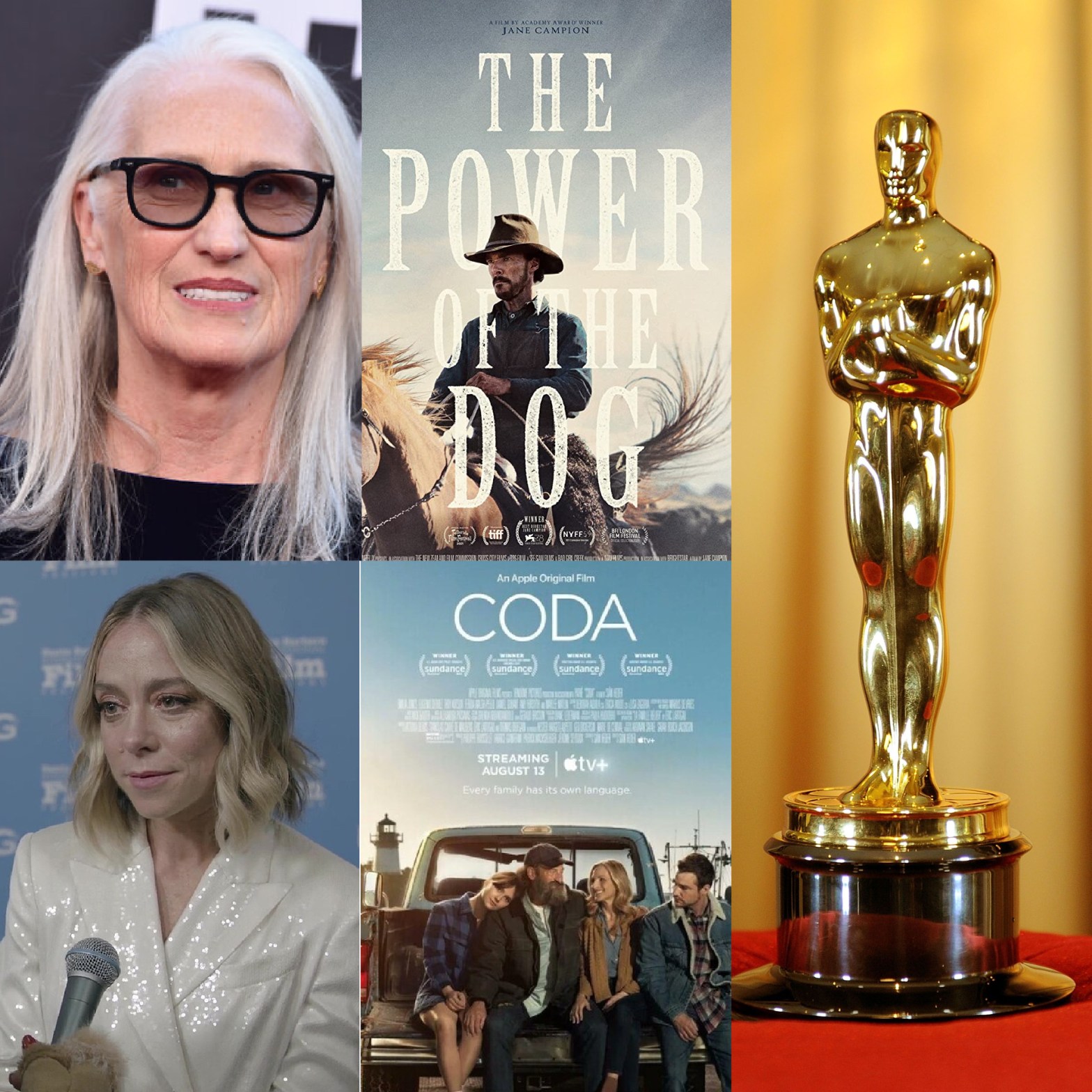
This brings me to the 2022 Academy Awards. The 94th celebration of cinema is unabashedly showing the unequal opportunities given to women and people of color. There is one woman nominated in each category for Best Picture and Best Director: Sian Heder for, Coda and Jane Campion for, The Power Of The Dog, respectively.  

I could argue relentlessly about the absence of women being recognized in cinema, which I am doing, but pivoting to the types of movies women direct, you can glean the palpable omission of them from Academy Award nominations could be credited to their story selection; to some extent but not comprehensively.

What the Best Picture wins of the last thirty years reveal is that the board has a bias for films and artists that are male centered and show grand heroism with auspicious patriarchy. 

Coda is an exception to the rule. An exception because the female lead character’s arc is not romance or maternal driven which seems to be a factor in nominating actresses’ and them ultimately winning prestigious awards. Released in 2021, it is a unique film about deaf parents and the inherent responsibility their hearing-abled child takes on.

Sian Heder’s writing and direction evokes passionate performances from the cast. The film displays how a CODA’s (Child Of Deaf Adults) liabilities to her family make it exceptionally difficult for her to see a life outside of her customs.

Emilia Jones plays Rose Rossi, a shy and unpopular high school senior who is uncomfortable with her family’s dependence on her but unsure of her life’s direction after high school when an attentive teacher enlightens her to the possibilities her singing talent can produce. 

This is a poignant and heart-warming, coming of age story that gives the perspective of a teenager faced with normal “next chapter” decisions while balancing mature, family obligations. This film caught me off guard in a good way. It’s no surprise that it is nominated for Best Picture this year. While the Academy does take to female-led, coming of age stories, it does have strong male-centered competition that are more aligned with traditional wins.

Best Director nominee, Jane Campion follows the rules in, The Power Of The Dog, which is male dominated in narrative and a Western: we know, from previous wins, how fond the Academy is of these films. The opening scene starts with an unrecognizable Benedict Cumberbatch in the middle of nowhere.  

Two successful, farm-owning brothers, Phil and George Burbank, come to odds with one another for the age-old reason: a girl. To the disgruntled brother’s dismay, the friendlier of the two, becomes smitten with a widower who owns a local saloon. 

Rose Gordon, played by Kirstin Dunst, is a former cinema pianist and her pianola is available for patrons to use. She struggles to take care of her teenage son in the absence of his father; hence, the foundation for the anticipated heroism is laid. The impending romance provides the predictable patriarchal solution to women’s woes that audiences, and the Academy are familiar with and love.  

This Netflix original film is declared–by some critics–to be Jane Campion’s best work. This 2021 film adaptation is based on Thomas Savage’s 1967 novel by the same name. Campion serves as screenwriter and director and invokes emotional performances, without dramatic overacting, from accomplished actors. This could have hindered the reception of her direction because a novice critic might dismiss her abilities, giving all credit to the skilled and veteran cast. 

By the end, this Western leaves you wondering how Campion made you fall for the emotionally unavailable Phil Banks and not despise but instead empathize with Rose. Although this is not a War movie, it follows the rules just as they do: it astutely manages to deliver a male-centered message that perpetuates patriarchy reigns supreme. If Campion does take home the golden statue, I would not question why?

What is notable about these Oscar nominated films is that they are available on streaming services. Could that be a contributing factor in doors opening for women? With the addition of Whoopi Goldberg and Ava Duverney being elected to the board, the Academy should be headed in a progressive direction. Forgive me if I choose to reserve my celebration for noticeable progress–not discussions about it.

In the end, I’m glad to see these two films and directors receive acclaim along with the other nominees.

Sources used for this article 

https://www.vulture.com/article/best-war-movies-ranked.html

94th Academy Awards: See the Full List of Oscar 2022 Nominees

Legal Thrillers By Black Authors

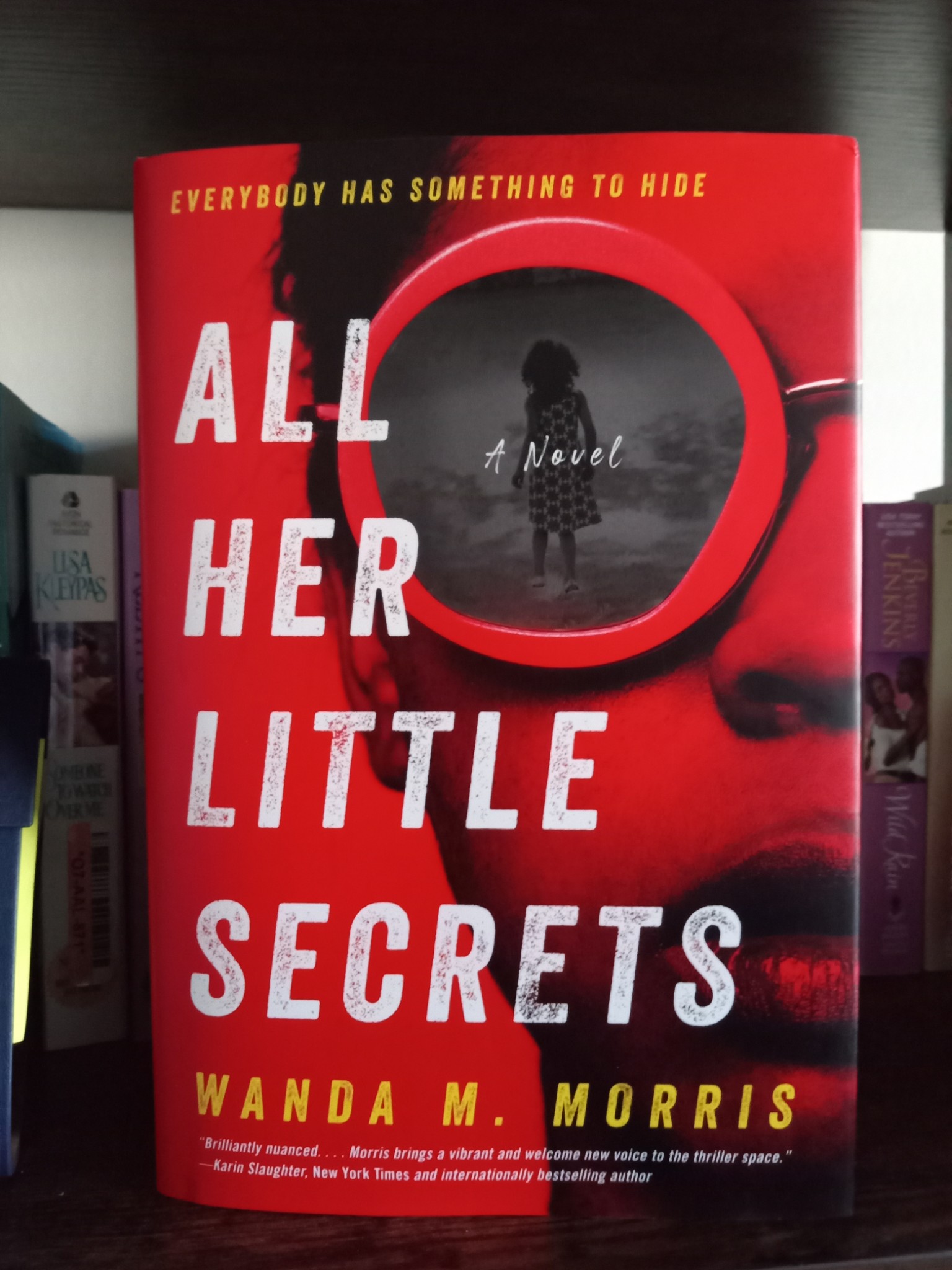
This is a solid debut in the thriller genre, which could use some new and cultured voices.
We follow Ellice Littlejohn, who is a mature-aged, token, Black lawyer at her company: she was hired to combat racial discrimination and lawsuits. While she is managing her “little secrets” she discovers her boss lying dead in his office with a gun beside his body. However, suicide (the explanation given by police and management) does not fit his character nor does him using a gun. The mystery ensues from there.
This story has two timelines: present day Atlanta, GA and 1979-1981 Chillicothe, GA when Ellice was a young girl.
***There is a scene involving an illegal abortion that I would not say is explicit.
The ending was well done and riveting. This book feels like a John Grisham novel in the sense that it involves sinister people in small, southern towns, abusing their power.

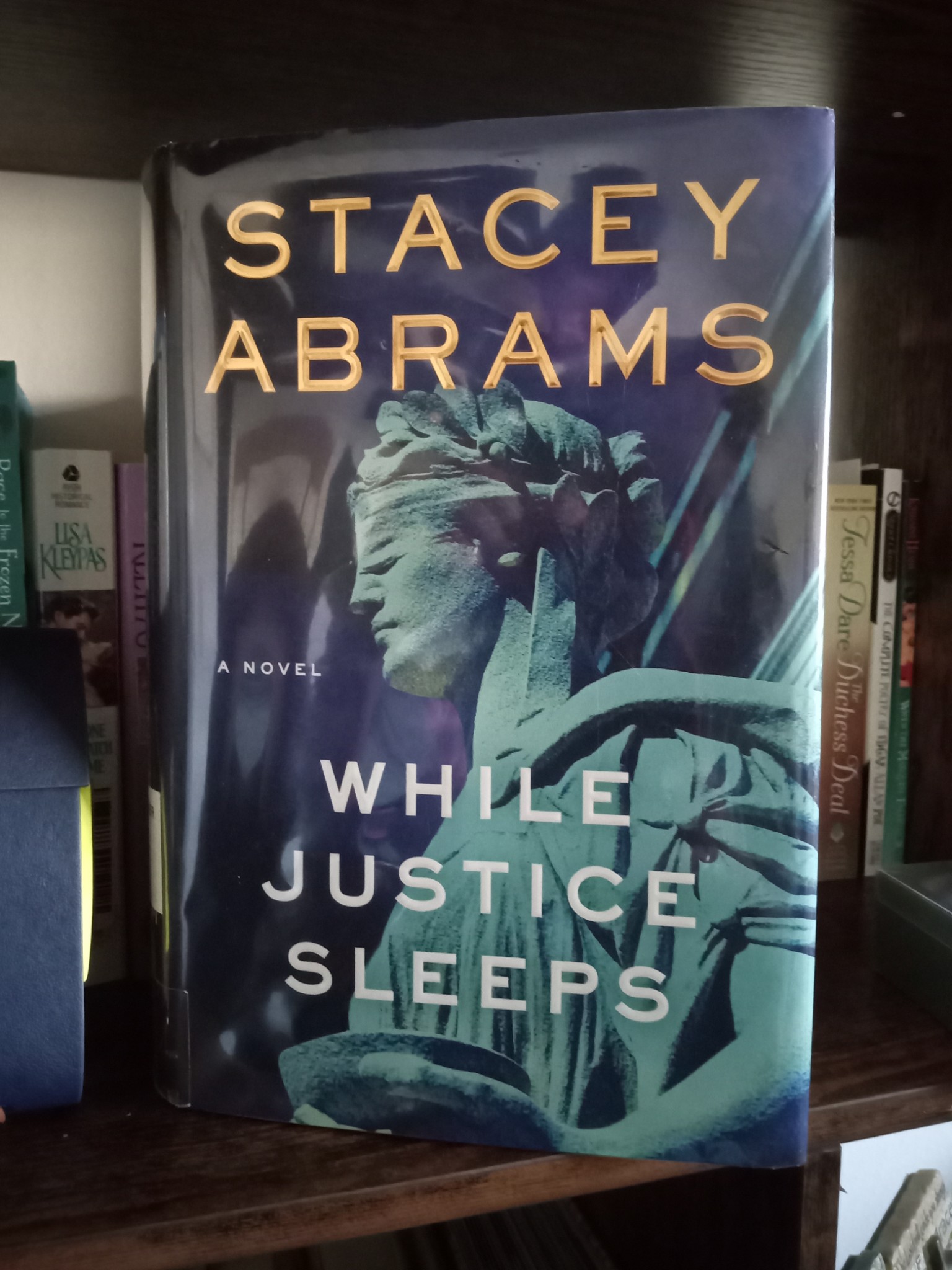
This is a political mystery, thriller about geopolitics, clinical medicine, and code of ethics across multiple industries.
I would argue that this story has two protagonist: Justice Howard Wynn and Avery Keene.
Justice Howard Wynn triggers a self-induced coma when he realizes that he won’t be able to prove criminal activity, corruption, and treason at the highest level. He is the swing vote for a multimillion dollar merger but after he discovers the crimes of his enemies, they ruin his reputation by painting him as mentally unstable and incompetent.
Avery Keene is a sharp, young, legal clerk who Justice Wynn trust will finish where he left off, by discovering the full breach of ethics as well as crimes that targeted a group of people, killing them. While trying to uncover the complex schemes, Avery has secrets of her own that she does not want to be revealed. As she forms alliances and carries out Justice Wynn’s orders, through a game of chess, you learn why Justice Wynn chose her and not his son or estranged wife. In the end, she proves she was the right person for the job.
This is a complex thriller with multiple plots that Abrams handled well. This thriller is for fans of James Patterson. I was thrilled and entertained, with every page until the end.

In My Opinion: Influencers Like Tasha K Are A Business And Should Act As Such

A Youtuber, Unwine with Tasha K, is being sued by rapper Cardi B, for her perpetual vlog content, stating that the rapper contracted Herpes, HPV, and uses cocaine. The rapper claims that these rumors are false, and defamed her reputation. She even admitted–in court–that she considered suicide because of the damage done by these statements. 

Tasha K is a Youtuber with over a million followers and has massive influence in the Hip Hop and Black culture. This is one of the first times that a Youtuber has been sued for their content. I’m not sure how Tasha K runs her business, but I presume she has a team.

She has too large a following to not handle her Youtube channel like a business. However, Cardi B has the millions of dollars to spend, taking a chance in court, to send a message to reckless social media influencers who have become accustomed to saying whatever they want and not being held accountable. 

Cardi B and her legal team allege that Tasha K perpetuated the non truths in 23 videos over a fourteen month period. Tasha K’s countersuit was dismissed in 2021, citing no evidence of the claim that the rapper sent her fans to harass the Youtuber. Cardi B’s defamation lawsuit is what they are battling about in an Atlanta federal court currently. 

Cardi B was ordered to provide STD results and her medical records in court to show that Tasha K in fact lied about the rapper’s status. Tasha K did suffer a major blow with her admission that she knew the story was possibly false and told it on her channel anyway. There could be two reasons for this: pressure to hit her one million followers goal or becoming overly cocky as a big influencer and thinking she can get away with anything. Either way, Tasha K has herself in hot water and because she does have assets worth taking, Cardi B is ready to make an example out of her and send a clear message to bloggers/vloggers that they will be held to the same standards as journalist.

For this reason, influencers need to make adjustments, e. g., have a legal team (depending on how large a creator they are); check with credible news organizations before running a story: if The NewYorker runs a story–they have a legal team who most likely gave them the green light, but if no one is running the story, maybe you should follow their lead; and definitely have an LLC.

Social media can be tricky and has given many people too much confidence, thinking they can say anything without consequence. However, if you say it about the wrong one, they just might sue. If you are an influencer who does not have an LLC, they can sue you–the individual–for your house, your car, your everything. You would be putting your family at risk and the people who depend on you. My suggestion would be to register an LLC in the state you reside in STAT to protect yourself in the event of a lawsuit.

Sources for my opinion piece:

https://www.insider.com/cardi-b-defamation-lawsuit-trial-atlanta-youtuber-2022-1

https://www.eonline.com/news/1316323/cardi-b-testifies-she-was-extremely-suicidal-after-youtuber-tasha-ks-allegations

I also want to suggest this video that answers the question: should an influencer have an LLC, from a lawyer’s perspective.

Halle Berry delivers stellar performances from her cast in her directorial debut

Halle Berry made her directorial debut last month with Bruised. She also stars in this drama about a disgraced MMA fighter who is living in poverty while trying to suppress the urge to return to the ring. When Jackie’s (Halle Berry) mother shows up at her home, with the son Jackie left behind, she adapts to motherhood with some bumps in the road even though she is in no condition to care for a young child.

The young actor who plays Jackie’s son, Danny Boyd Jr., gives an exceptional performance considering he says few words. He also has a great backstory: his father was murdered. This traumatic experience induces muteness which makes bonding with his stranger-like mom difficult.

Halle Berry is a great actress not just for what she does on screen but the performances she provokes in her costars. The relationships with Desi and Buddhakan, played by Adan Canto and Sheila Atim respectfully, were realistic and beautifully told love and toxic love stories.

On the WTF podcast with Marc Maron, Berry talks about the screenplay being originally written for a seventeen year old, White actress. When Blake Lively walked away from the project, Berry worked with screenwriter, Michelle Rosenfarb to adapt the story to a character Halle Berry (55) can play. Berry also gave credit to playwright, Stephen Adly Guirgis for doctoring up the script with his Pulitzer finesse.

This film has a two-hour running time; I doubt you will notice it. The back story is threaded into present day with excellent precision. I give credit to Halle Berry credit as producer, her experience and love for storytelling shaped this into a second coming of age story that is not hindered by predictability.

The film ends on a high note, but not in the typical way. It is an underdog story that leaves you rooting for a woman who doesn’t have it all together in the end but you can foresee her potential comeback.