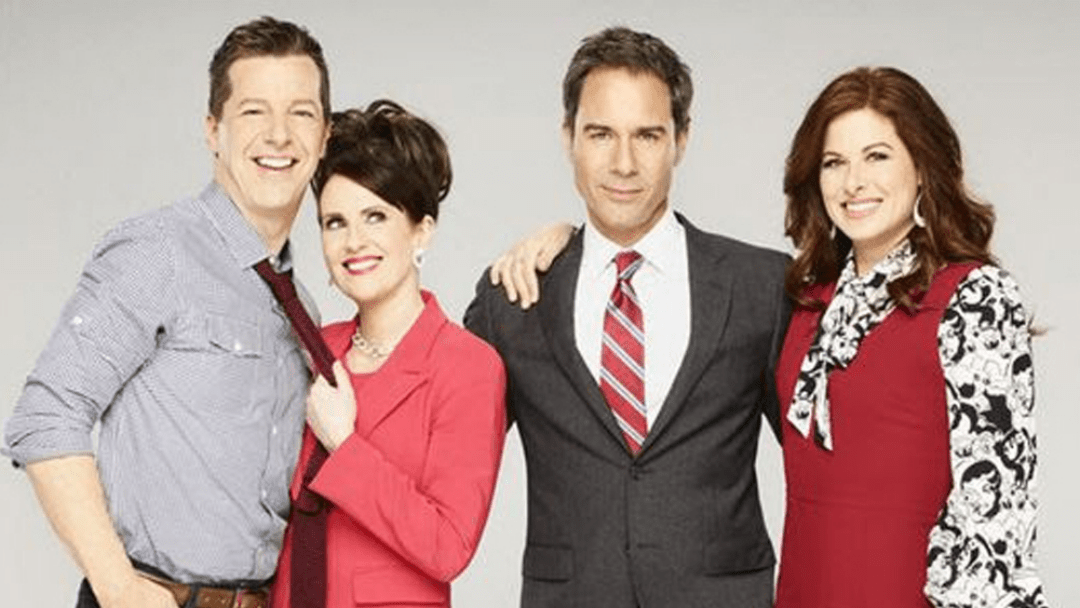
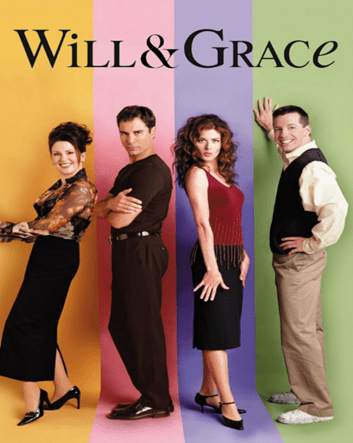
In 1998, a genius of a show debuted on NBC called Will and Grace. It was a groundbreaking show for having gay characters in leading roles. This was the nineties and gay characters were known to be sidekicks or confined to certain industries within an episode story, e.g., fashion, modeling, hair and makeup, or drag queens, etc. They were never the main attraction.
NBC took a chance on the idea from show creators, Max Mutchnick and David Kohan. To give you an idea of the TV landscape at the end of the 20th Century, Seinfeld was in it’s final season, Friends and Frasier were top ten TV hits with very different audiences–and not a threat to one another—and American families were tuning in to enjoy the antics of the Barone family on Everybody Loves Raymond.
As time went on, those in the know would not so secretly refer to the gang of four as the Jack & Karen show. Either way, the chemistry between the four cast members was electric. You wanted to be in their space but not interrupt their flow, just absorb and revel in it.
By 2002, they maintained top ten status on Nielsen charts for most watched TV shows, with credit given to the super stardom sitcom it followed, Friends. After ten ratings-breaking seasons, Friends came to an end in 2004. The writers and execs at NBC lost their minds trying to stay afloat with the absence of that reliable audience.
A number of failed Friends knockoffs later, and NBC still hadn’t found the right mix of shows for its Must-See TV Thursday lineup. A few pilots aired for a season then were later axed or changed time slots after they didn’t gain traction. The biggest miscarriage of all sitcom justice is what this uncertainty did to a perfectly well-established sitcom with its own core audience.
Eventually in 2005, Will & Grace took the coveted 8pm time slot on Thursday nights. But like an insecure girlfriend dating an eligible bachelor, it performed poorly. Whoever thought it was a good idea to flood the sitcom with a major star, week in and week out, should have been assassinated. It wasn’t a bad idea if done right, meaning not every week, and didn’t disrupt the chemistry of the core four; however, the show lost its mojo in trying to lure an audience who no longer felt they were watching the same show they fell in love with in 1998.
Disrupting the chemistry of the core four was precisely what it did. It was no longer about the shenanigans of the childless and over 30 friend group, living in prime real estate in NYC. It became the “guess who’s appearing on Will & Grace,” topic. Granted, some of the A-list guests were a great laugh and gave us legendary TV, but over time it became redundant–no longer about the main characters and the disarray their lives were in.
By the time the show ended in 2006, you forgot who Grace wasn’t married to, why Will wasn’t practicing law out of a respectable office, what happened to Jack’s fledgling acting career, and when did Karen stop being the rich Bitch with the fat husband that nobody saw but everybody heard about.
If you don’t know what I’m talking about, but I’ve piqued your interest, check out Will & Grace, the original series. I should mention this once a good time on a Thursday night show had a reprisal in 2017; I doubt it captured the essence of its peak seasons in the original series. It did last three more seasons before the final curtain call. I would tell you all about their second act, but I have yet to watch it.
Discover more from Junkie 4 A Story
Subscribe to get the latest posts sent to your email.
 Junkie 4 A Story