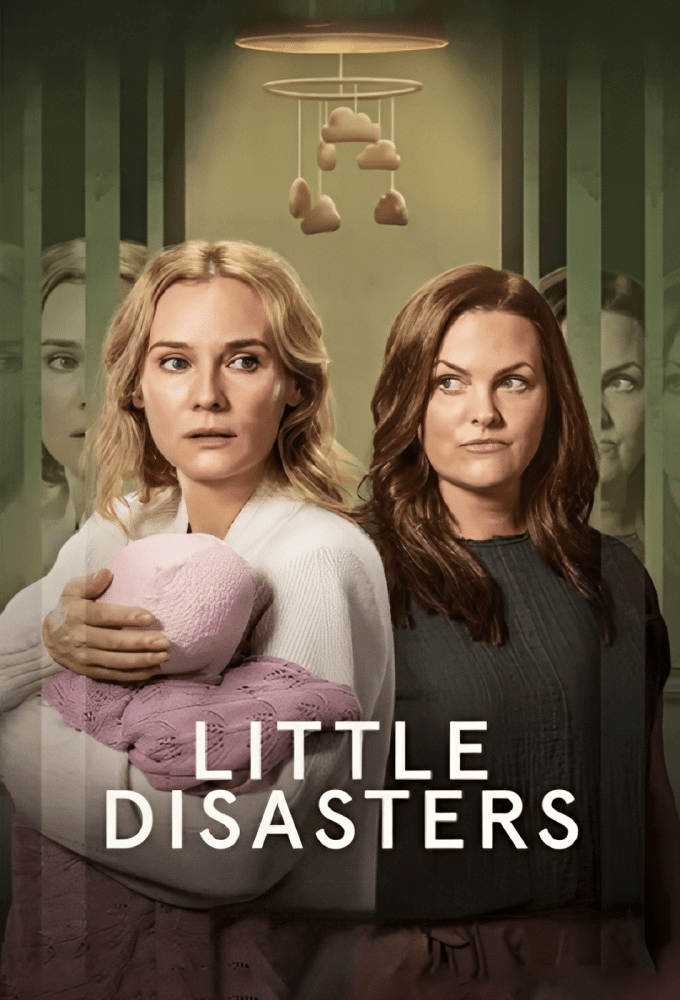
Little Disasters is a limited series that raises questions about friendship, motherhood, a woman’s duty to bear children, etc. This adaptation, from a Sarah Vaughan novel, makes compelling arguments while patriarchy wreaks havoc on society and women’s suffering. Even as women’s rights give them autonomy over their bodies, they are still shamed for how they use those rights and live with guilt every day.
There is Jess, a married mother of three, played by Diane Kruger, who has reached her limit with the birth of her third child. Even though she is a stay-at-home mom, and one would assume that should solve any overwhelm she may experience as a mom of three young children, yet she finds herself exhausted with domestic life, and getting little help from her breadwinner husband.
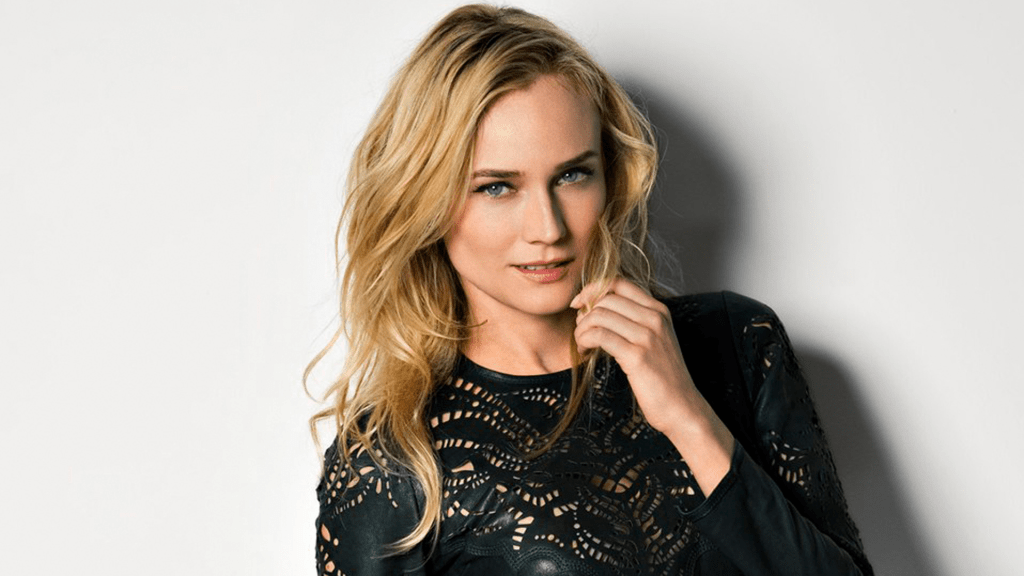
Then there is Liz, a working mom and wife, played by Jo Joyner, who has a seemingly under control drinking habit, to cope with motherhood, wifehood, and being an A&E nurse. She became one of Jess’ longtime friends, after meeting through a mommy group, although one could argue she is no friend after calling social services on said friend.
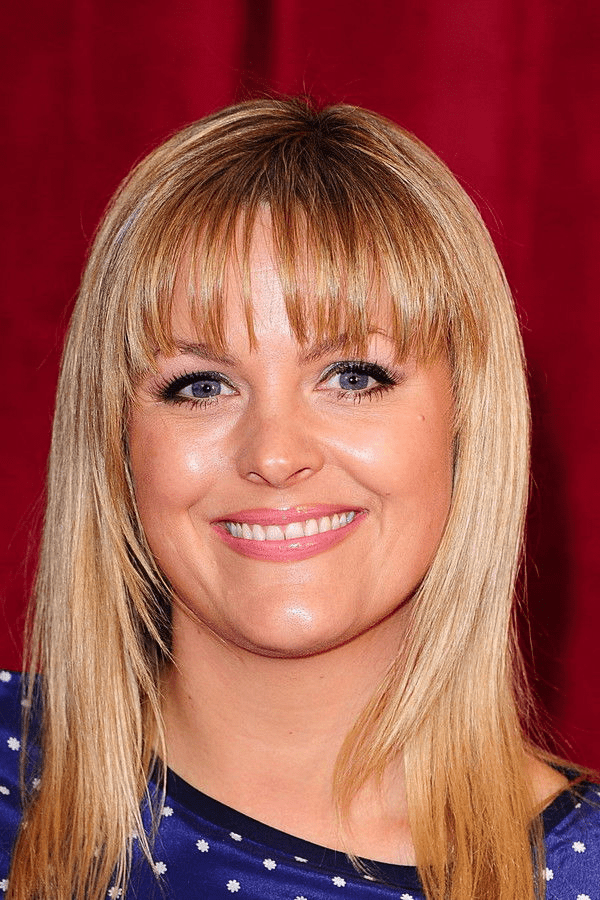
Then there is Mel, a mother and wife, trapped in a troubled marriage—bounded by financial dependency, with two preteen kids to look after. She comes to Jess’ aide when social services require Jess and her husband to choose a temporary guardian to care for the children—in their place—during the CPS investigation. But is Mel taking on this responsibility at the expense of her family and marriage?
And last of the mommy group, there is Charlotte, a motherless mom and wife desperately trying to have a baby but resigned to the possibility that she may never become a mom through natural means. Though she loves her husband, she is driven by the guilt that she cannot make him the doting father he would like to be. Charlotte copes with this betrayal of her body by being flirtatious with her archnemesis Jess’ husband.
And then there are the men, who are portrayed as having it together but for minor character flaws except for one husband. Not to mention poor choices in spouses, because most of the women experience serious issues that threaten their families and livelihood. Otherwise, the men are good husbands, fathers, and of course—providers.
The lives revealed in this limited series are relatable and realistic however, they depict an alarmingly blasé sexist attitude in the societal norms of this friend group and society, that even the women are susceptible to and rarely challenge.
 Junkie 4 A Story