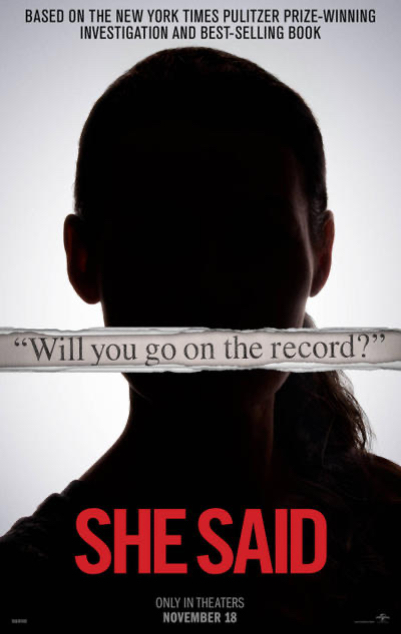
Some of us may be over the #MeToo stories that have dominated the media headlines, theaters, and small screens in the past few years but, if you think She Said is just another one of those movies–you are wrong. She Said diverts viewers’ attention away from the typical #MeToo narratives, that have predictable and vindicating endings, while still satisfying audiences with journalistic and legal acumen.
In the first ten minutes, viewers are thrust into a salacious phone call with Donald Trump, in quintessential fashion, behaving as a man–who became a monster as a result of never being told no. The phone call does a superb job of setting the tone of the film; a film, centered around journalism, that movie-goers might mistakenly assume is dull. Before that assumption is settled, they will realize this is not your grandmother’s, ‘Men in Suits, Behaving Badly,’ movie.
This film is intense and enthralling from the opening credits. With a running time of two hours and nine minutes, it covers a lot while being absent of just as much. Where Bombshell (2019) missed the mark in its portrayal of the Roger Aisles sexual harassment infestation at Fox News, She Said tells the story of women who endured a bully, whose influence and power terrorized them with no refuge–in spite of payouts and NDAs that worked like guns with silencers–killing careers with every target they captured.
The two journalists who worked on this story for The Times, Megan Twohey and Jodi Kantor, played by Carey Mulligan and Zoe Kazan, respectively, were a great exposition into capable women, working together, to get to the root of corporate pathogens. They were fearless and loyal to their vulnerable sources. 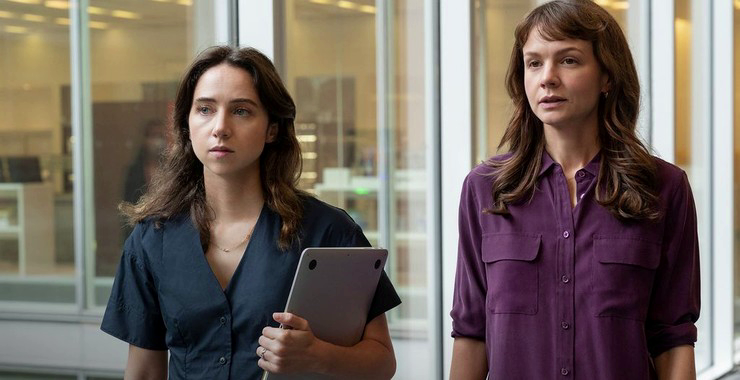
The task was not easy considering Weinstein used his legal muscle to kill any negative story about him, before some audacious journalist thought of a provocative tweet to draw attention to it.
We never see Harvey Weinstein’s face, only the back of his head, when he enters The Times conference room. The corrupt, film mogul is played by Mike Houston. We do get to hear Weinstein’s menacing voice, as played by Houston, in phone calls between Weinstein, his lawyers, and The Times. 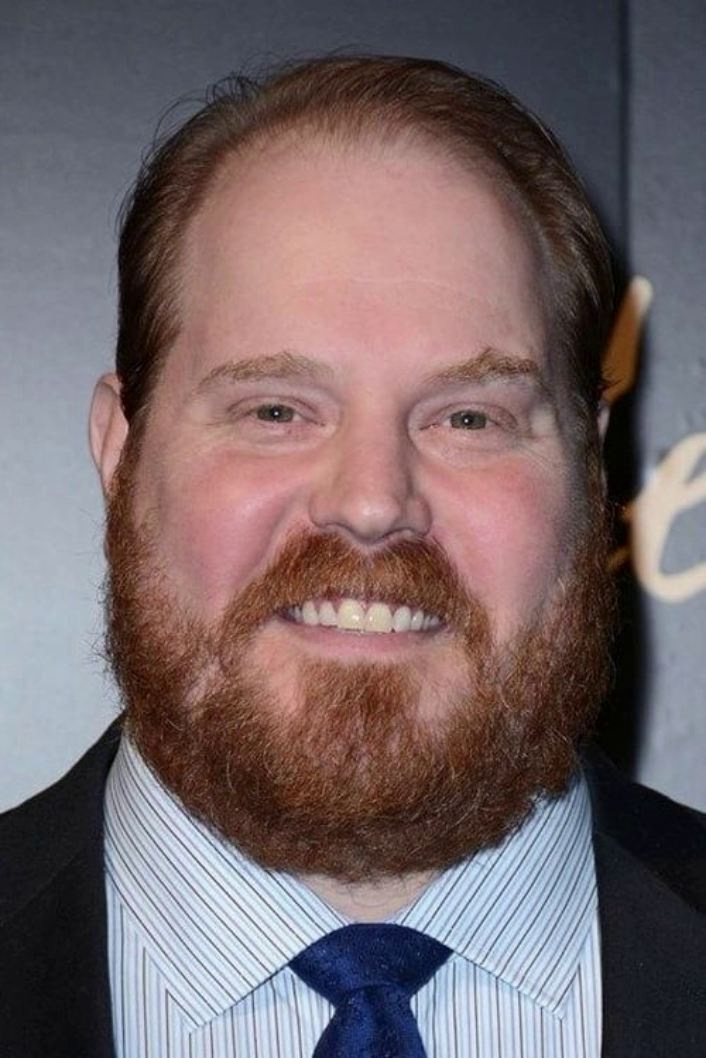
There are some familiar faces and voices in this film to aid in the authenticity of Hollywood and the abuse women were subjected to by Harvey Weinstein. One familiar face is Ashley Judd, who delivers a sensational cameo performance. I’m curious if she wrote her lines: they were clickbaity, personal, and poignant. Her cautionary tale does put a lens on how Weinstein picks his victims: usually up and coming actresses and young women in the business, maybe desperate, and lack power and influence.

Ashley Judd’s video call with Jodi was enthralling. Comparisons to Donald Trump’s reception vs. her own, for perceived vulgar language and/or behavior used, was appalling. Judd lost her Copperfit sponsorship and had to scale back promo for the film, Big Stone Gap (2014) because of the backlash she got for reading the poem, Nasty Woman, at a rally. On the contrary, Trump was elected president in spite numerous allegations of sexual assault and misconduct, and recordings of his abusive language and behavior towards women. The juxtaposition of women using what is perceived as vulgar rhetoric and the former president using it colloquially, touches on the gender politics issue we have today.
Which brings me to the question of, how could this behavior go on for so long in Hollywood with no repercussions? “Who are the enablers?,” is the question, Patricia Clarkson’s character asked. She didn’t just ask it in a passive way. The film spent a great length of time showing you who the enablers were. However, his brother and other board members were let off the hook generously in this portrayal.
Rose McGowan, another one of Weinstein’s survivors, unfortunately came off like a bitter teenager who aged out of Hollywood, reluctantly. I regret my perception of her, but her phone interviews were always confrontational and contentious. In all of her scenes, which were phone calls, she appeared the defensive and wronged actress, lashing out at and misdirecting to undeserving parties; it may be to pacify anger and/or guilt but I think her talent would have been better spent in other ways. 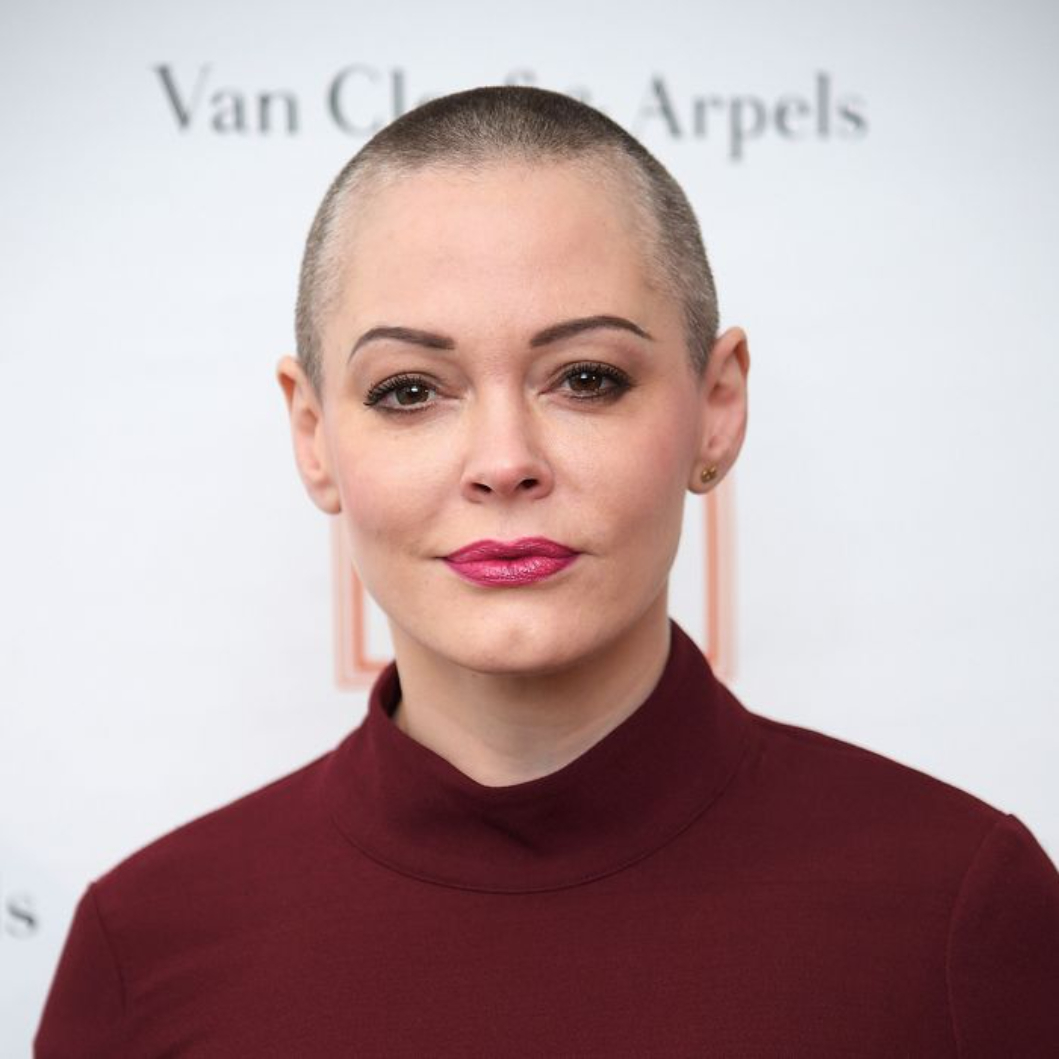
McGowan’s age in the alleged rape is notable. Most of Weinstein’s survivors were younger than forty years old at the time of the incident. This again goes to the calculated victim selection that the convicted rapist used. A young actress in her early twenties, or financially anemic, make an easier prey to manipulate into silence.
It was not just the survivors who felt pressure to submit to silencing but, The Times also brought up legalistic bullying, that they felt Weinstein’s legal team used to provoke them to drop the investigative story. This tactic did work for them in the past, including with government agencies and bureaucrats, adding to Weinstein’s untouchable confidence in continuing with his abhorrent behavior. Whether his legal team did or not engage in legalistic bullying, ostensibly, the tactic failed.
And the cherry on top of this stellar cast, and direction from Maria Schrader, is Brad Pitt as one of the producers, with his Plan B production, hence the reference to his former girlfriend, Gwyneth Paltrow. The Academy-Award, winning actress offered nothing but a namedropping narrative. Although, the Gwyneth Paltrow reference gets annoying after the second mention, it’s worth tolerating for the rest of the film. 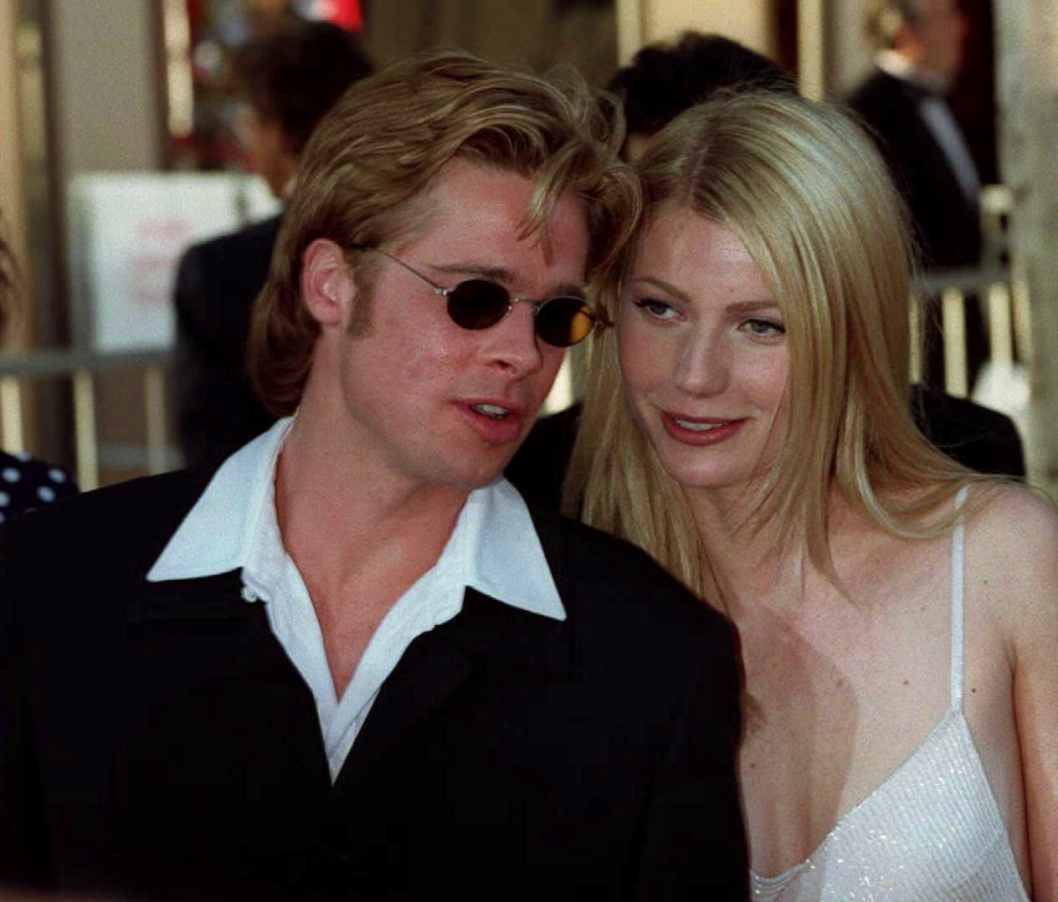
In a society where we desperately need to see the bad guy get what he deserves, the ending is satisfying and predictable since the true story continues to unfold with facts and repercussions being updated [in real life] on a perpetual basis.
 Junkie 4 A Story