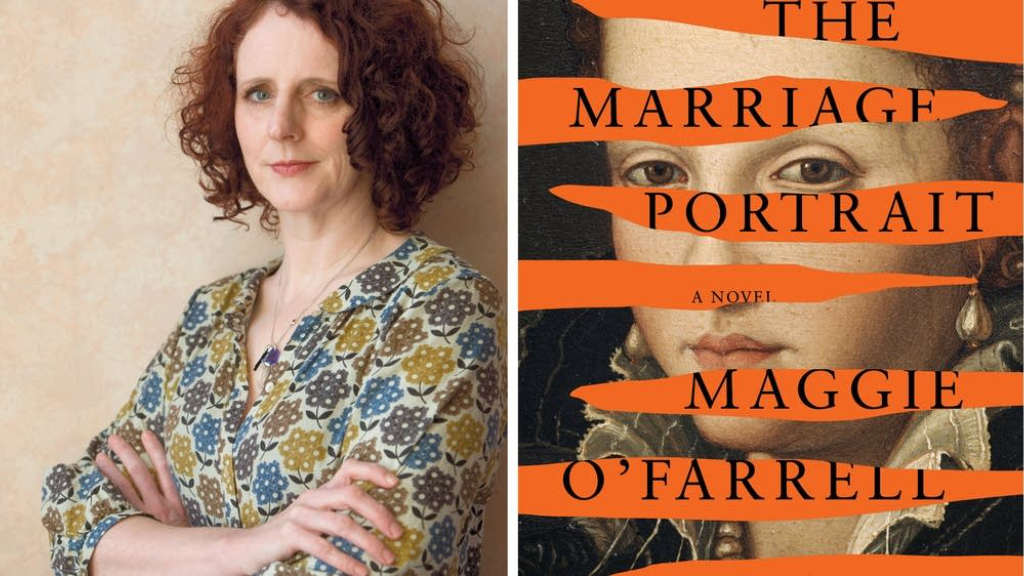
Maggie O’ Farrell’s, The Marriage Portrait has more connotations than the American alphabet has letters. It is a story about the third daughter, Lucrezia de Medici of the grand duke. She is thrust into the limelight after her sister dies suddenly on the eve of her marriage to Alfonso, the duke of Ferrara. He, with quick speed, sees Lucrezia as his perfect replacement bride. When her father expresses zero objections, her days are numbered.
Lucrezia is not receptive to the proposal and subsequent duchess title but has no say in her future. The arranged marriage, however perilous it may be, is scheduled and both families, along with the public, are elated.
Inspired by a true story, which you learn about in Maggie O’ Farrell’s author’s note; the author takes creative liberties to keep the story interesting and cohesive. It is also notable that O’ Farrell has an astute, authorial voice that intensifies the story when necessary but also keeps readers engaged–even those who don’t typically read historical fiction.
This is 1550s Florence, Italy and Lucrezia is next in line for her father to marry off. With her being the daughter of prominence, a spinster has no place in their family tree. She must succumb to her womanly duty. Reluctance aside, complying with societal norms is her obligation as well as not humiliating her father.
The Marriage Portrait is about a young woman’s identity and autonomy being strangled by patriarchy. The lack of rights for women disavows her the choice of marriage and motherhood. And how this marriage fears, will be entirely placed on her, leaving the groom with his masculinity and character intact, if it should fail.
As the story progresses, Lucrezia endures the trials and tribulations of marriage: domesticity of married life for a kept woman, increasingly loathing her husband–the more she learns about him, clashing with her in-laws, and feeling stifled by the so called “happily ever after” that society duress women to aspire to.
The pressure to produce heirs, to continue the Ferranese dynasty, is severe; the hint of who is incapable comes belated to this young bride. 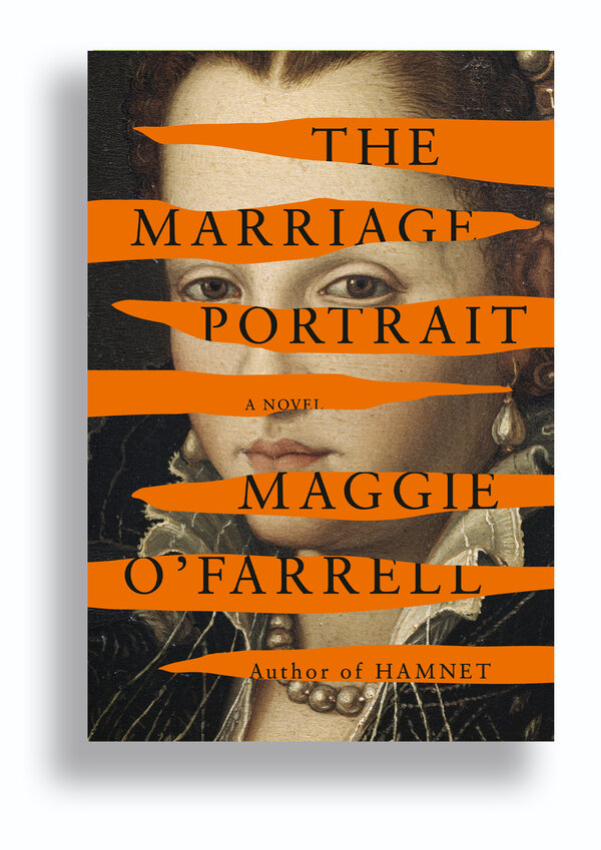
The Duke of Ferrara, Alfonso presents himself as a nobleman. Their initial meetings go well. His secret has managed to be concealed from Lucrezia and her inner circle–it appears. He is the desirable bachelor that settles Lucrezia’s nerves about marriage, somewhat. But he is keeping a secret that could lead to a nefarious ending for the soon to be duchess.
The story takes a treacherous turn after Lucrezia and Alfonso unite in matrimony. She learns about his other wives and what those marriages did not produce. In talking about Alfonso’s shortcomings, the responsibility falls on the bride when the whispers grow louder and more persistent. His other wives had no clue, no different from Lucrezia, of what was at stake.
If you are looking for a historical fiction that hints at a romance and has the tone of a thriller, this is one to read. Keep in mind, it does focus on themes of arranged marriage, social status, royalty, patriarchy, and family obligations (and everything that comes with being historical fiction). 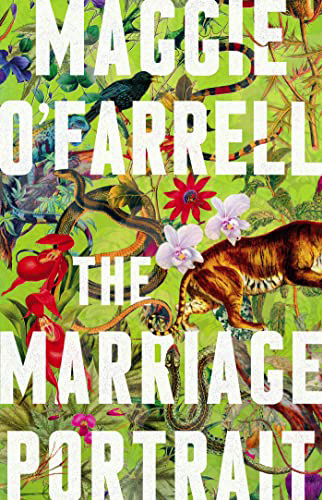
 Junkie 4 A Story