After stumbling upon Vulture’s 50 Best War Movies list, and noticing the singular female appearance to grace it, I then pondered this year’s Oscars. The absence of women directing War films led me to women being recognized by the Academy and other prestigious award shows. Before I get to that, let me start with this list of films that Vulture deems the best.
Ran, the coveted number one spot, is a (rarely spoken of) 1985 film, directed by Akira Kurosawa–a man. An overwhelming percentage of the films that made the list, are directed by White (European-American) men and have a predominantly, White male cast. And like expensive spice, appearances by people of color are, ever so slightly, sprinkled throughout.
The dominance of male directors on this list supports the need for gender equality in Hollywood. Obviously, we must acknowledge the women’s movement of the 20th century and its effect on equal rights and opportunities for women. To an extent it, explains the absence of women in front of and behind the camera.
Still, can a woman direct a War movie and it be good enough to attract a mass audience? And beforehand, can a female director command the initial respect to pique interest in a war movie she directed? Would it be well received by a patriarch-obsessed America? Could it go on to win an Oscar for Best Picture?
Womens’ long history with oppression by patriarchal ideals that shaped society for centuries, has long been covered in Hollywood films but with almost little effect on shifting male power in the industry. We have arrived at the place of acknowledgement but are not yet actively and perpetually changing the status quo. Hence, the Academy Award nominations.
Whenever you give the oppressed rights and independence, they have a propensity to bear a keen obsession with those in power. This should not be dismissed as inferiority or complaining [as it is in most cases] but maybe lacking the knowledge, education, and experience to move on from their oppressive state to enjoy their rights and independence.
When I begin thinking about female directors and the kind of war movies they might direct, my thoughts are bombarded by #MeToo influences and current events. One could argue that the films directed by men endure the same societal influences.
To better measure the female perspective of War movies, I watched the only film on this list to be directed by one–gauging societal and war sentiments from her lens. The Hurt Locker is a 2008 film directed by Kathryn Bigelow. It stars Jeremy Renner, Anthony Mackie, and Ralph Fiennes and won Best Picture and Best Director at the 2010 Oscars, along with a host of other prestigious awards.
This film shows the brotherhood of American soldiers and the precision they must, but sometimes fail to, act with when imminent peril is present. Bigelow portrays a slow-paced account of warlife winding down, the toll it takes on soldiers’ mental state, and the relationships formed to protect soldiers and civilians while trying to capture and dispose of bombs. Because this is based on the Iraq war [but no particular human account] the American soldiers have an arduous task with a semi-impregnable feat ahead of them.
However, it is the bomb squad’s independent-thinking, Texan sergeant whose risky methods conflict with his army mates approaches to explosive ordnance disposal that cause hinderance. Opening scenes presume the lead character, Sergeant William James, is an arrogant and single-minded leader; by the end–with credit to Bigelow’s direction and Jeremy Renner’s acting–he proves to be a compassionate and decisive man. You can attribute his rogue-thinking to the squad’s success in Baghdad.
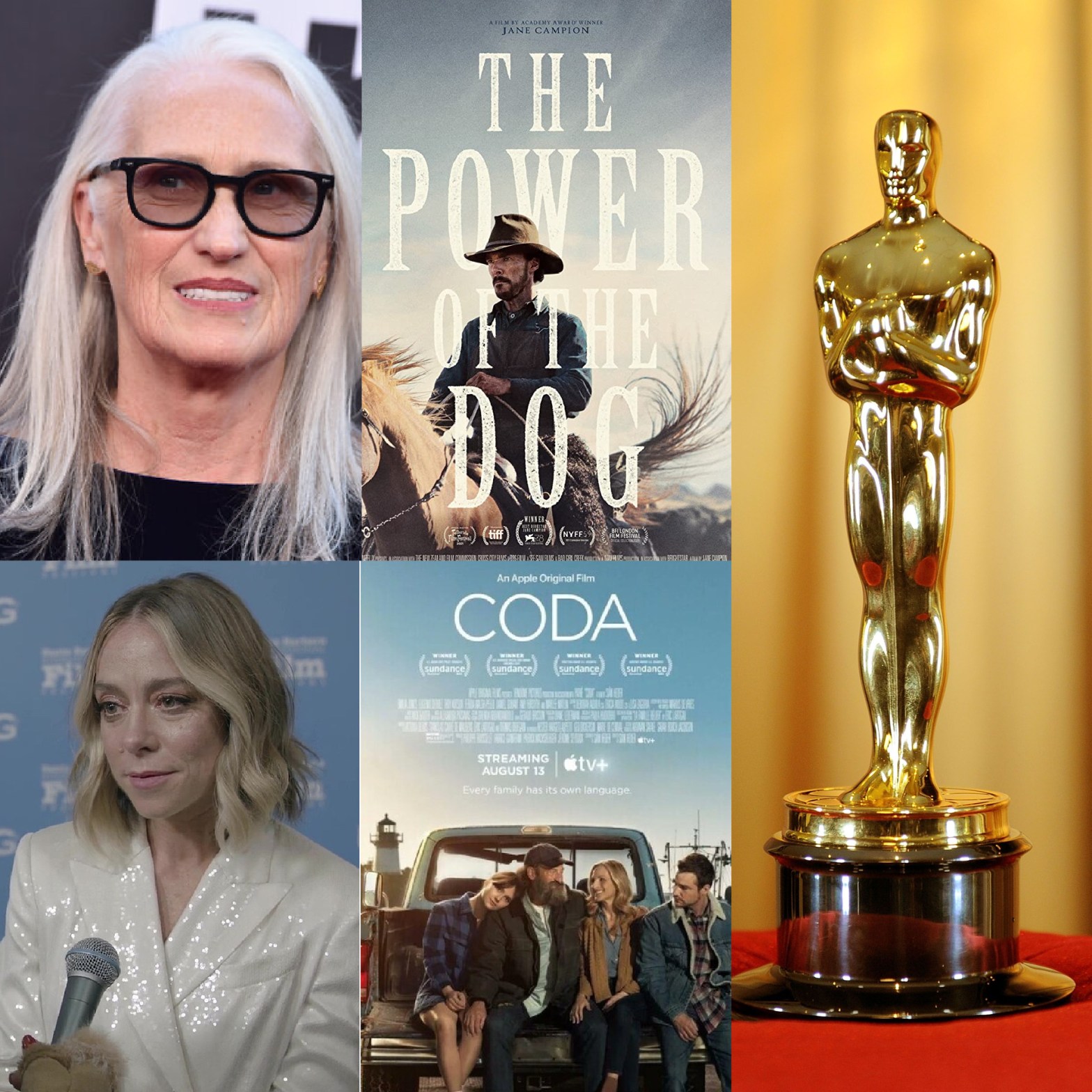
This brings me to the 2022 Academy Awards. The 94th celebration of cinema is unabashedly showing the unequal opportunities given to women and people of color. There is one woman nominated in each category for Best Picture and Best Director: Sian Heder for, Coda and Jane Campion for, The Power Of The Dog, respectively.
I could argue relentlessly about the absence of women being recognized in cinema, which I am doing, but pivoting to the types of movies women direct, you can glean the palpable omission of them from Academy Award nominations could be credited to their story selection; to some extent but not comprehensively.
What the Best Picture wins of the last thirty years reveal is that the board has a bias for films and artists that are male centered and show grand heroism with auspicious patriarchy.
Coda is an exception to the rule. An exception because the female lead character’s arc is not romance or maternal driven which seems to be a factor in nominating actresses’ and them ultimately winning prestigious awards. Released in 2021, it is a unique film about deaf parents and the inherent responsibility their hearing-abled child takes on.
Sian Heder’s writing and direction evokes passionate performances from the cast. The film displays how a CODA’s (Child Of Deaf Adults) liabilities to her family make it exceptionally difficult for her to see a life outside of her customs.
Emilia Jones plays Rose Rossi, a shy and unpopular high school senior who is uncomfortable with her family’s dependence on her but unsure of her life’s direction after high school when an attentive teacher enlightens her to the possibilities her singing talent can produce.
This is a poignant and heart-warming, coming of age story that gives the perspective of a teenager faced with normal “next chapter” decisions while balancing mature, family obligations. This film caught me off guard in a good way. It’s no surprise that it is nominated for Best Picture this year. While the Academy does take to female-led, coming of age stories, it does have strong male-centered competition that are more aligned with traditional wins.
Best Director nominee, Jane Campion follows the rules in, The Power Of The Dog, which is male dominated in narrative and a Western: we know, from previous wins, how fond the Academy is of these films. The opening scene starts with an unrecognizable Benedict Cumberbatch in the middle of nowhere.
Two successful, farm-owning brothers, Phil and George Burbank, come to odds with one another for the age-old reason: a girl. To the disgruntled brother’s dismay, the friendlier of the two, becomes smitten with a widower who owns a local saloon.
Rose Gordon, played by Kirstin Dunst, is a former cinema pianist and her pianola is available for patrons to use. She struggles to take care of her teenage son in the absence of his father; hence, the foundation for the anticipated heroism is laid. The impending romance provides the predictable patriarchal solution to women’s woes that audiences, and the Academy are familiar with and love.
This Netflix original film is declared–by some critics–to be Jane Campion’s best work. This 2021 film adaptation is based on Thomas Savage’s 1967 novel by the same name. Campion serves as screenwriter and director and invokes emotional performances, without dramatic overacting, from accomplished actors. This could have hindered the reception of her direction because a novice critic might dismiss her abilities, giving all credit to the skilled and veteran cast.
By the end, this Western leaves you wondering how Campion made you fall for the emotionally unavailable Phil Banks and not despise but instead empathize with Rose. Although this is not a War movie, it follows the rules just as they do: it astutely manages to deliver a male-centered message that perpetuates patriarchy reigns supreme. If Campion does take home the golden statue, I would not question why?
What is notable about these Oscar nominated films is that they are available on streaming services. Could that be a contributing factor in doors opening for women? With the addition of Whoopi Goldberg and Ava Duverney being elected to the board, the Academy should be headed in a progressive direction. Forgive me if I choose to reserve my celebration for noticeable progress–not discussions about it.
In the end, I’m glad to see these two films and directors receive acclaim along with the other nominees.
Sources used for this article
https://www.vulture.com/article/best-war-movies-ranked.html
94th Academy Awards: See the Full List of Oscar 2022 Nominees
 Junkie 4 A Story